Building in Public: Benefits, Risks, and Best Practices
Introduction
The digital landscape is constantly evolving, and perhaps no trend embodies this more than the rise of "building in public" (BIP) within the startup ecosystem. This movement, characterized by founders openly sharing their entrepreneurial journey, from product decisions and milestones to metrics and lessons learned, has become a powerful strategy, particularly for indie hackers and AI entrepreneurs . It’s a transparent approach that stands in stark contrast to the traditional, secretive startup model, inviting the audience into the very core of creation .
The question isn't just what building in public is, but why now is its moment. Accessible platforms, from Twitter to specialized communities, have democratized audience connection, making it easier than ever to reach and engage with potential users and partners. In a world craving authenticity and rapid technological advancements, especially within AI, this open methodology fosters engagement, builds trust, and provides invaluable early feedback, fueling swift iteration and validation . The inherent public accountability also serves as a strong motivator for founders, pushing them to consistently deliver and communicate their progress .
Companies like Buffer and Ghost.org have famously leveraged BIP strategies, demonstrating the profound impact of sharing everything from revenue figures to internal team salaries . This article delves into the intricate balance required for successful public building, exploring its significant benefits and inherent risks. We will outline strategic frameworks for founders to navigate what to share versus what to keep private, ensuring proprietary information remains safeguarded while maximizing the advantages of transparency.
Core Strategy: Navigating the Public Waters for Impact and Protection
Building a startup in public offers significant advantages for fostering engagement and trust, yet mastering this approach requires a delicate balance between radical transparency and safeguarding sensitive information. Founders must carefully navigate these public waters to leverage the benefits of "build in public strategies" without exposing their core competitive advantages or succumbing to "startup transparency risks". The goal is to build genuine connections and gather insights that drive "community-driven growth" while protecting crucial assets.
A fundamental aspect of this strategic balance lies in understanding and protecting intellectual property (IP). IP encompasses creations of the mind, including inventions, literary works, and business identifiers1. Key categories include patents, which grant exclusive rights for inventions but require public disclosure of technical information. Copyrights protect original works like software, automatically upon fixation, while trademarks distinguish goods and services, protecting brand equity. Crucially, trade secrets protect valuable, non-public information like manufacturing recipes or unique business logic, relying heavily on demonstrable "reasonable measures" to maintain secrecy.
Founders can employ a layered approach to safeguard proprietary information. This includes implementing legal agreements such as Non-Disclosure Agreements (NDAs) when collaborating with partners or new hires. Robust internal security measures, including strong access controls, multi-factor authentication, and adaptive cybersecurity, are vital to prevent data breaches and limit access to confidential information. Strategic IP planning, through regular audits, helps to catalog existing assets and decide what should be patented versus what is best kept as a trade secret. Furthermore, continuous innovation creates a moving target for competitors, staying ahead through obscurity and complexity2.
A thoughtful decision framework is essential for determining what information to share versus what to keep private. Every public post should ideally serve a purpose, whether it's driving engagement, soliciting feedback, or building credibility3. Founders should conduct careful "competitor analysis," withholding or vaguing details if sharing could directly enable rivals within a six-month timeframe. The product's maturity also plays a role; early experimental phases benefit from flexibility, while more mature products can sustain stable storytelling4. Founders must also consider their personal comfort and well-being, acknowledging the inherent "founder vulnerability" in public exposure to avoid burnout or stress4. While product updates, lessons learned, and even revenue milestones (as trends) can be shared, sensitive details like live strategic decisions, partnership negotiations, or specific financial breakdowns should remain private.
However, the openness of building in public carries significant risks, such as competitive disadvantage, security threats like identity theft or social engineering, and potential reputation damage from inappropriate posts. Privacy breaches and the permanence of data shared online, subject to the "Mosaic Effect" where small pieces form a revealing picture, are also critical concerns. Mitigation strategies include regularly reviewing privacy settings, mindful posting habits that avoid real-time location sharing, and maintaining strong authentication practices. Organizations must also ensure secure infrastructure and provide employee training on managing sharing settings, especially with emerging AI tools that can surface overshared data.
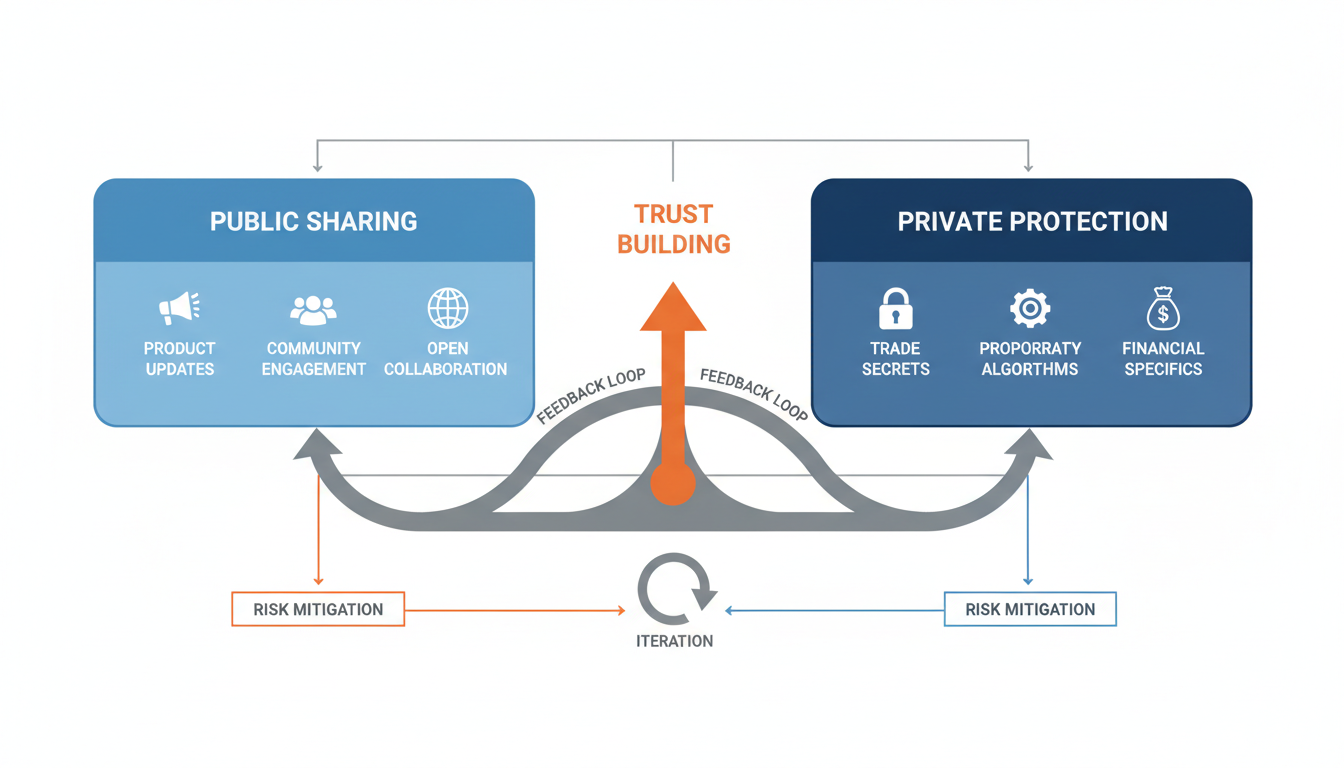
Ultimately, successful "build in public strategies" hinge on fostering deep community engagement. Founders strategically interact with their audience and collect feedback to refine product development and cultivate loyalty5. This involves openly sharing the product journey to build authentic connections and gather valuable insights from the community, turning passive observers into active supporters and driving profound "community-driven growth"5.
Core Strategy: Navigating the Public Waters for Impact and Protection
Building in public, while offering immense advantages for startup founders, demands a thoughtful strategy to maximize benefits while simultaneously safeguarding critical assets. It's a delicate balance of radical transparency and judicious discretion, enabling rapid feedback loops and authentic community engagement without exposing vulnerabilities. Founders must deliberately choose what to share and what to protect, fostering trust and accelerating development through their public journey.
The essence of a strong 'build in public' strategy lies in implementing intentional transparency alongside robust intellectual property (IP) safeguards. While openly sharing product updates, milestones, and lessons learned generates interest and attracts early users, founders must understand the different categories of IP—patents, copyrights, trademarks, and trade secrets—and apply appropriate protection mechanisms1. For instance, patents grant exclusive rights to inventions but require public disclosure, whereas trade secrets protect valuable non-public information like manufacturing recipes or unique business logic, relying on demonstrable "reasonable measures" to maintain secrecy6. Strategic IP planning, including regular audits and deciding what to patent versus keep secret, is fundamental to aligning IP strategy with business objectives7.
Legal agreements, such as Non-Disclosure Agreements (NDAs), are crucial for safeguarding confidential information during collaborations6. Internally, strong access controls, multi-factor authentication, and adaptive cybersecurity prevent data breaches, while document management programs restrict access to sensitive information. Beyond traditional IP, continuous innovation can make a company a "moving target" for competitors, staying ahead through obscurity and complexity2. Furthermore, approaches like open-sourcing underlying technologies while retaining proprietary features create a powerful blend of community development and competitive advantage2. Founders can utilize decision frameworks to determine what information should be shared, ensuring every public post serves a clear purpose, such as driving engagement or soliciting feedback3.
| What to Share Publicly | What to Keep Private |
|---|---|
| Product updates, progress, new features, bug fixes, general improvements | Detailed plans for selling the business in early stages |
| Public roadmaps (with caution on hard deadlines) | Specific strategic details that directly enable quick competition |
| Behind-the-scenes processes, development workflows, design iterations, team culture | Live strategic decisions, partnership negotiations, or specific numbers |
| Lessons learned, challenges overcome, failures (after processing and with context) | Internal team dynamics or issues in real-time |
| Revenue milestones (trends, rounded numbers, percentage growth, not detailed financial breakdowns) | Setbacks involving third parties, out of respect for counterparties |
| Responses to customer feedback, showing how user input shapes the product | Confidential information covered by NDAs or internal policies |
| Founder's personal perspective, experiences, and decision-making frameworks | |
| “Learning in public” — sharing new knowledge and insights in one's niche | |
| Screenshots and demos of product progress |
Table 1: Key Considerations for Public vs. Private Sharing
Effective 'build in public' also hinges on proactive community engagement and closing feedback loops. Defining clear objectives and understanding the target audience are foundational steps for successful engagement, allowing founders to tailor messaging and platform choices8. Creating inclusive digital environments, using clear and jargon-free communication, and ensuring accessibility helps foster widespread participation9. Engaging content, compelling storytelling that resonates with the community, and active two-way dialogue are crucial for building authentic connections and gathering valuable insights. Interactive elements like quizzes, polls, and gamification—introducing points, leaderboards, or challenges—can intrinsically motivate participation and enhance user experience, especially when coupled with meaningful rewards like exclusive content or VIP access10.
Founders must utilize diverse platforms where their target audience is most active, ranging from social media to specialized community forums and chat tools like Discord. These dedicated platforms facilitate focused discussions and offer features like map-based surveys and data analytics, often proving more cost-effective than large in-person events. Psychologically, positive reinforcement and emotional connections are key drivers of loyalty, while the endowment effect and goal gradient theory encourage continued engagement by making users feel invested and motivated by anticipated rewards. Continuous feedback collection, spanning direct methods like surveys and user interviews to indirect behavioral analytics, is vital for monitoring product evolution and assessing changes. Tools such as Net Promoter Score (NPS) surveys, usability testing, public forums, and product beta programs provide rich data for refining products.
Finally, mitigating the risks of oversharing through mindful practices is non-negotiable. Uncontrolled transparency can lead to competitive disadvantage, exposing strategic thinking or timing to rivals. It also carries significant security threats, including identity theft, phishing attacks, and even physical security risks from sharing travel plans. Reputation damage from inappropriate posts, privacy breaches, and the permanence of online data—where small pieces can form a revealing "Mosaic Effect"—are also serious concerns. For organizations, oversharing can lead to unintentional visibility of sensitive data, data breaches, and compliance violations.
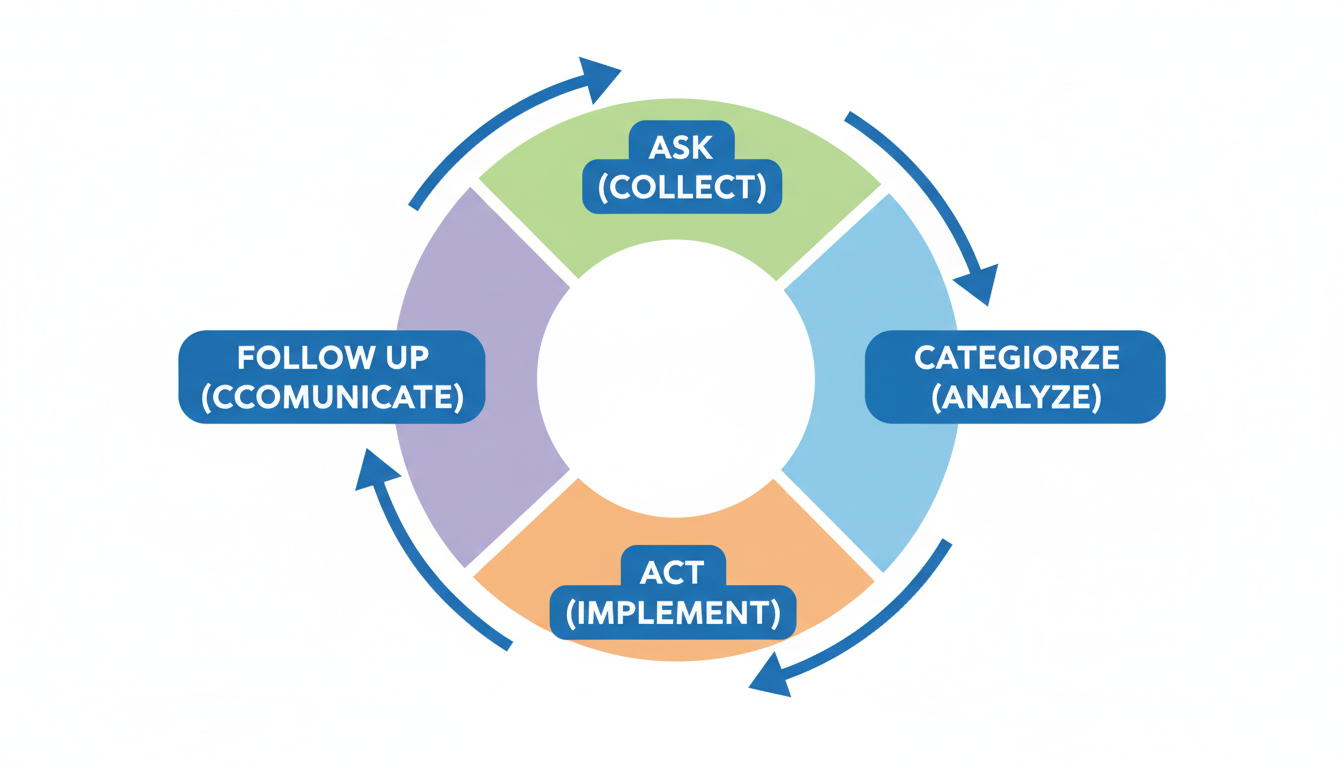
Image 1: The Balanced Approach to Building in Public
To counter these risks, founders should regularly review and update privacy settings on all platforms, limiting visibility to intended audiences and utilizing custom groups for sensitive content. Mindful posting—thinking before sharing if information could be used against them—is paramount, as is avoiding real-time location sharing or premature announcements of travel plans. Implementing strong authentication, curating content to avoid inadvertently revealing details in backgrounds, and scrubbing metadata from photos are essential technical steps. Organizations must provide employee education on risks, enforce clear permissions management, and conduct regular audits of sharing settings to prevent unintended exposure of internal data11. Respecting counterparties by delaying major event announcements or setbacks until they've been processed also helps maintain trust and relationships12.
Real Example: Pieter Levels and the 10-Year Distribution Strategy
While the theoretical underpinnings of "build in public" are compelling, concrete examples truly underscore its power. Pieter Levels, a prolific solo founder behind products like Nomad List and Remote OK, stands as a prime illustration of this methodology's long-term effectiveness 13. His journey exemplifies a deliberate "10-Year Distribution Strategy" that culminated in significant success, particularly with the launch of his AI-powered product, Photo AI, in February 2023 13.
Levels' approach has been characterized by extreme transparency and consistent engagement, primarily leveraging Twitter/X as his central platform 13. He meticulously documented his product development journey, sharing daily posts, screenshots of new features, and even screen recordings of his products in action 13. A hallmark of his strategy is radical revenue transparency, where he openly shares exact Monthly Recurring Revenue (MRR) numbers, profit margins, and growth trends through Stripe dashboard screenshots 13. This commitment to sharing both triumphs and setbacks, often spiced with controversial opinions, helped him cultivate a deeply engaged and loyal community 13. By the time Photo AI launched, his Twitter audience had swelled to 350,000 followers, a testament to his decade-long effort 13.
This sustained public engagement directly addressed critical challenges faced by most founders. Building an initial audience and trust for new ventures from scratch often proves daunting, yet Levels circumvented this by cultivating an eager customer base long before any specific product launched 13. This pre-built audience provided immediate distribution and validation for products like Photo AI, effectively reducing customer acquisition costs to near-zero 13. When Photo AI generated $5,400 in its first week and reached $61,000 MRR by July 2023, it was a direct result of this accumulated trust and visibility 13.
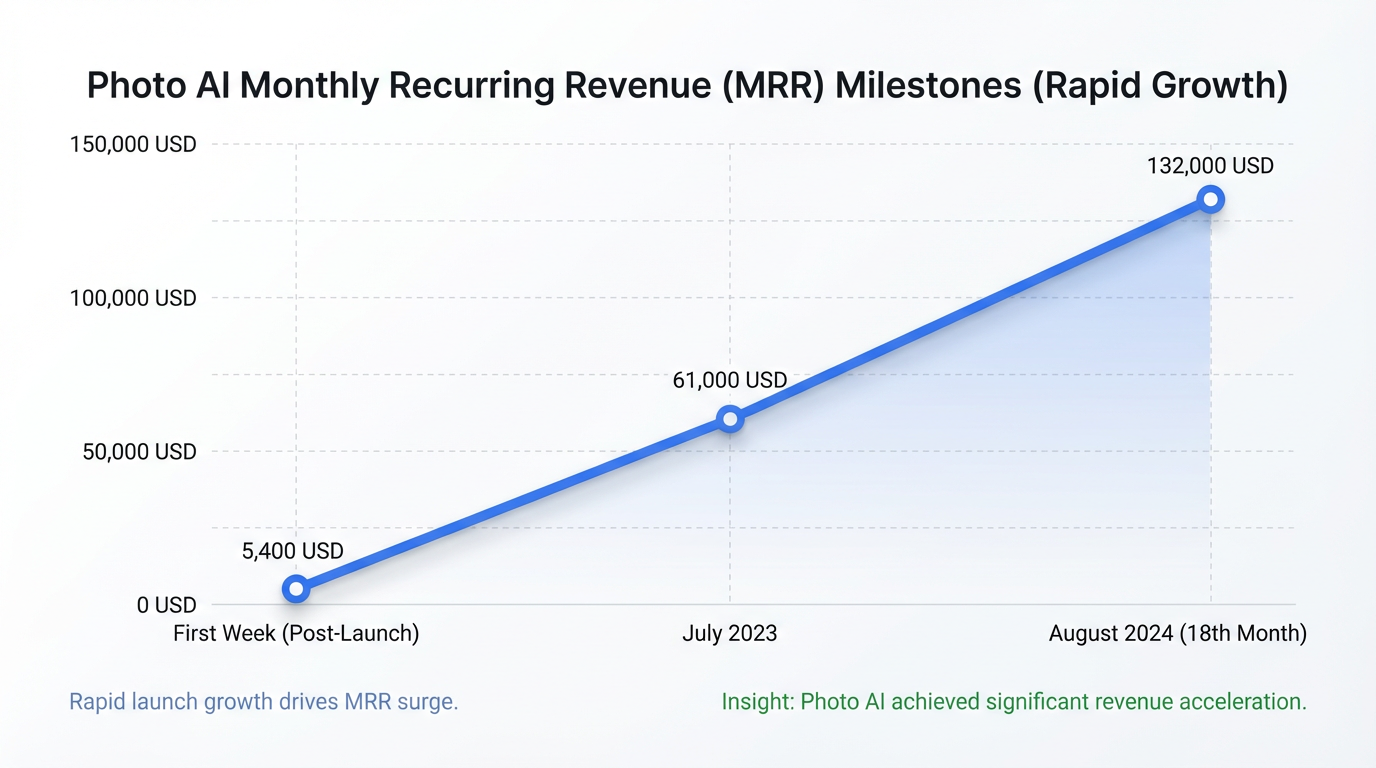
The transparency also served as a unique competitive advantage, forming a "moat" that competitors found difficult to replicate 13. While others could copy features, they couldn't replicate the decade of trust and community Levels had painstakingly built. This enabled Photo AI to achieve $132,000 MRR by its 18th month and operate with an impressive 87%+ profit margin, driven by a dedicated user base 13. His overall portfolio, including Nomad List, continues to thrive, generating over $250,000 monthly, with Nomad List alone hitting $441,667 monthly in 2024 with over 29,000 paying members 13. Pieter Levels' success underscores the power of compound effort, proving that "build in public" is a "years-not-months" strategy that creates a powerful content-market fit where the community becomes the customer base 13.