
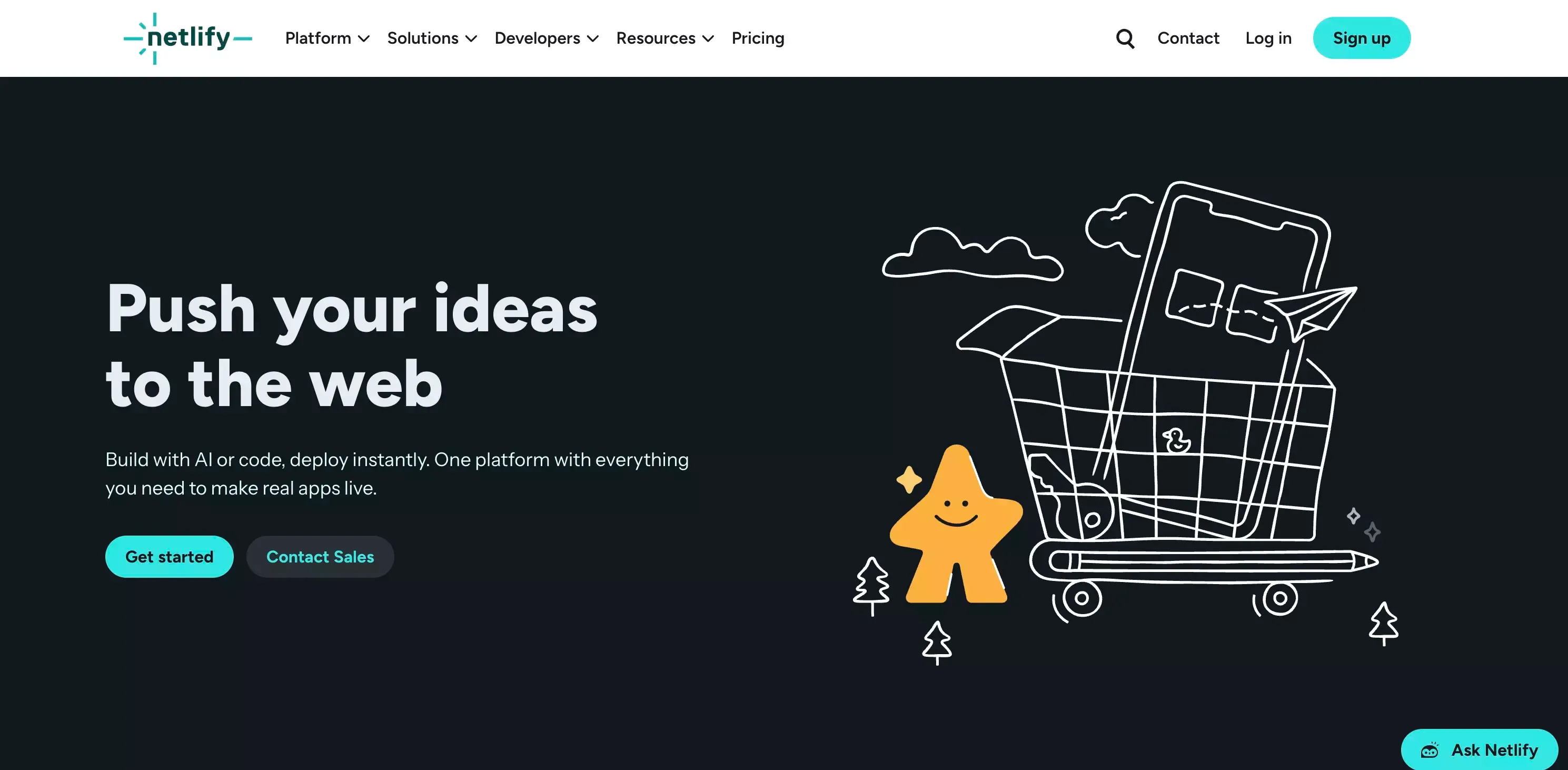
 Netlify is one of those tools people recommend almost automatically.
That usually means one of two things. Either it has earned real trust over time, or the market is still repeating an older story that no longer fully matches the product.
In 2026, I think the truth sits somewhere in the middle.
Netlify is still a strong platform. In some workflows, it is genuinely excellent. But it is no longer just the simple static hosting tool many people remember. It has grown into a broader platform with deployment, preview environments, server-side features, edge logic, observability, and newer AI-related capabilities.
That sounds like progress, and in many ways it is. Still, it also means Netlify is not as simple to evaluate as it used to be.
A lot of older reviews still frame it as an easy Jamstack hosting solution with a nice free tier. That description is incomplete now. If you are choosing Netlify today, you need to judge it as a modern workflow platform, not just a place to host a frontend.
My quick take: Netlify is still worth your time in 2026 if you already work in Git, deploy often, and want a smooth, reliable shipping workflow. But if your bigger challenge is getting from idea to real product faster, a platform like Atoms may be the more natural fit.
What Netlify Is in 2026
Netlify used to be known mainly for static site hosting and Jamstack workflows.
That is still part of the story, but it is no longer the full story.
Today, Netlify is better understood as a web development and delivery platform that combines deployment, preview workflows, server-side capabilities, and operational tooling in one place.
The shift that matters
| Old view of Netlify | Current reality |
|---|---|
| Static hosting tool | Broader deployment and workflow platform |
| Simple Jamstack choice | More layered product with more moving parts |
| Easy to explain | More powerful, but harder to summarize |
| Mostly frontend hosting | Includes server-side and AI workflow elements |
This change is important because it affects who Netlify is best for.
For a developer or a technical team, the broader platform story can be a real strength.
For a non-technical founder or someone looking for the shortest path from idea to launched product, it can feel like more system than they actually need.
What Netlify Does Really Well
Netlify still gets a lot of important things right.
1. Deploy previews are genuinely useful
This remains one of Netlify’s best features.
Preview deploys sound small on paper, but in real teams they matter a lot. They reduce friction between product, design, engineering, and marketing because everyone can review changes before release.
That leads to:
- faster feedback
- fewer misunderstandings
- smoother launches
- less last-minute chaos
A lot of platforms talk about productivity. Netlify’s preview workflow actually improves it.
2. Git-based deployment feels mature
Netlify works best when your development flow already lives in Git.
You connect a repo, push changes, and the platform handles the rest. For developers and frontend teams, that still feels polished and dependable. It is one of the main reasons Netlify continues to hold mindshare.
3. It removes a lot of annoying operational work
Netlify is attractive because it cuts down on the small but time-consuming tasks that slow teams down.
You get support for things like:
- automated deploys
- rollbacks
- domain management
- HTTPS
- form handling
- server-side functions
- edge logic
None of these features are flashy on their own. Together, they make shipping feel calmer.
4. It gives you more than simple hosting
This is where Netlify is stronger than some people assume.
It is not just a place to publish static files. It also helps teams add dynamic behavior without forcing them to build out a full backend stack immediately.
That makes it useful for:
- frontend-heavy web apps
- marketing sites with dynamic needs
- docs platforms
- projects that need lightweight server-side capability
Where Netlify Starts to Frustrate
This is the part many soft reviews avoid.
Netlify is good, but it is not frictionless.
1. Pricing is less intuitive than many people expect
This is probably the biggest issue for newer buyers.
Netlify is no longer the kind of platform where you can glance at an entry plan and feel like you understand the economics right away. As usage grows, pricing can feel more layered than expected.
That does not automatically make it bad value. But it does mean the old mental model of “simple hosting with a generous free plan” is outdated.
2. It still assumes a technical user
Even with newer AI-related features, Netlify still feels designed around technical workflows.
You are still thinking in terms of:
- repos
- deploys
- functions
- branches
- environments
- infrastructure trade-offs
That is perfectly fine for developers.
It is less ideal for founders, marketers, indie makers, or operators who simply want to describe what they need and get a working product online quickly.
3. It is better at shipping than creating
This is the clearest way I would describe Netlify’s main limitation.
Netlify is strong once a project already exists. It helps you deploy, review, manage, and iterate.
But many users do not actually have a deployment problem. They have a product creation problem.
They need help with:
- shaping the product
- generating the first version
- setting up auth and database
- making payments work
- getting analytics in place
- launching something SEO-friendly without extra setup
Netlify is not really built to solve that whole journey.
That is where Atoms AI App Builder starts to feel like a smarter option for some users. It is designed to move from prompt to real app or website much faster, with backend support, hosting, analytics, payments, and code portability built into the flow.
Netlify Pros and Cons
| Pros | Cons |
|---|---|
| Strong deploy preview workflow | Pricing is less intuitive than it used to be |
| Smooth Git-based deployment | Better for technical users than non-technical users |
| Useful rollback and release flow | Not the most direct path from idea to launched product |
| Good balance of frontend and serverless capabilities | Can feel more layered as projects grow |
| Reduces a lot of DevOps hassle | Simplicity drops once needs become more dynamic |
Who Netlify Is Best For
Netlify is a strong fit for:
- frontend developers
- small engineering teams
- teams that rely on Git-based workflows
- projects that need strong preview and review environments
- marketing sites, docs, and lightweight web apps
- teams that want less infrastructure work without losing too much control
Best-fit use cases
| Use case | Fit |
|---|---|
| Marketing websites | Strong |
| Documentation sites | Strong |
| Frontend-heavy apps | Strong |
| Lightweight dynamic apps | Good |
| Non-technical product creation | Weak |
| Prompt-to-product workflows | Weak |
This is why Netlify often gets high praise from developers and more mixed reactions from broader business users. The product is good. It is just best when the user’s workflow already matches how Netlify thinks.
Who May Need Something Else
Netlify becomes a weaker fit when you are in one of these situations:
- you want to build from natural language prompts
- you want backend, auth, storage, and payments ready faster
- you do not want to wire multiple tools together
- you care more about speed to launch than deployment flexibility
- you want a more all-in-one product workflow
This is where Atoms AI deserves mention, but for a specific reason.
It is not simply “another alternative.” It solves a different job.
Why Atoms AI feels different
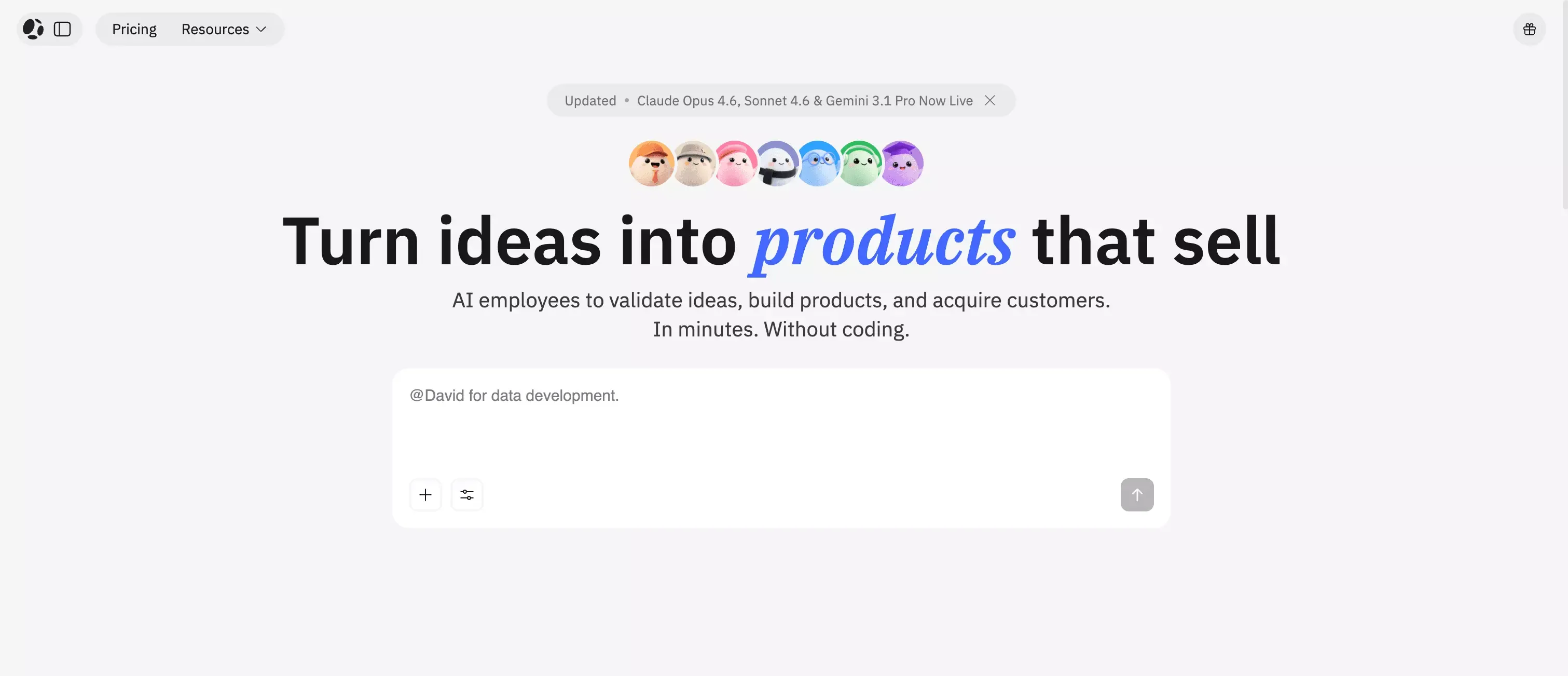 Atoms AI is better suited for users who want:
- prompt-driven creation
- multi-agent execution
- real apps, not just demos
- built-in backend support
- hosting and deployment included
- SEO-friendly SSR
- one-click analytics setup
- Stripe setup without extra API key complexity
- code export and GitHub sync later
That makes it a better fit for founders, makers, and growth-focused teams who want to go from idea to working product with fewer steps.
Netlify is still stronger as a deployment layer.
Atoms AI is stronger when the real need is idea-to-launch speed.
Netlify vs Atoms AI
| Category | Netlify | Atoms AI |
|---|---|---|
| Core strength | Deployment and delivery workflow | Idea-to-product creation |
| Best starting point | Existing repo or code workflow | Natural language prompt |
| Ease of use | Best for technical users | More approachable for non-technical users |
| Backend setup | Partial, developer-oriented | Built in |
| Hosting | Yes | Yes |
| SEO readiness | Good, depends on setup | SEO-friendly SSR built in |
| Payments | Not core | Stripe setup included |
| Analytics | Possible, more manual | One-click GA4 and Search Console setup |
| Code ownership | Strong for code-first teams | Export code and sync to GitHub |
| Best for | Developers and frontend teams | MVPs, real products, growth-focused launches |
The bigger point here is not that one tool is universally better.
It is that they solve different stages of the workflow.
If your project already exists and you want a cleaner way to ship it, Netlify makes sense.
If you are starting with an idea and want the fastest path to a working product, Atoms is usually the more direct route.
My Honest Take on the Trade-Off
This is the real insight after reviewing Netlify as it exists today:
Netlify is not overrated. But it is often recommended too broadly.
That is an important difference.
For the right user, Netlify still makes a lot of sense. It is polished, trusted, and good at what it does.
But the market has changed. More people now want tools that do more than deploy. They want tools that help them think, build, connect, and launch.
That is why some users try Netlify and feel it is solid, while others quietly realize they still need several more tools to finish the job.
The gap is not about quality. It is about job-to-be-done.
- If your problem is deployment, Netlify is a strong answer.
- If your problem is product creation, it is not the most direct answer.
- If your goal is going from idea to real app quickly, Atoms may be the smarter starting point.
Final Verdict
Netlify is still worth your time in 2026.
But only if it matches the stage you are actually in.
Use Netlify when:
- you already have a project
- you value Git-based workflow
- you care about preview environments
- you want a cleaner path to deploy and iterate
Look elsewhere when:
- you are starting from an idea, not a repo
- you want an all-in-one workflow
- you want to launch faster with less setup
- you need help building the product, not just shipping it
That is the real trade-off.
Netlify remains a strong platform. It is just no longer the obvious answer for everyone.
FAQ
Is Netlify good for beginners?
It can be friendly for beginners who already understand Git and modern frontend workflows. It is less beginner-friendly for people who want a no-code or prompt-first product creation experience, especially compared with tools aimed at beginners choosing an AI website builder.
Is Netlify a website builder?
Not really in the way most people mean it. It is better understood as a deployment and workflow platform rather than a prompt-driven website or app builder.
Is Netlify expensive?
Not always, but pricing is not as easy to read as many older reviews suggest. Small projects may still find it reasonable, but growing usage deserves closer attention.
What is a better alternative if I want to launch faster?
If your goal is to move from idea to a real product and validate it quickly, Atoms is a stronger fit. It is built for prompt-driven product creation, backend support, hosting, analytics, payments, and launch speed.
Key Takeaways
- Netlify is still a strong deployment platform in 2026.
- Its biggest strengths are preview workflows, Git-based deployment, and reduced operational friction.
- Its biggest weakness is that it is not the most direct tool for turning an idea into a real product.
- Atoms is a better fit for users who want an all-in-one, prompt-driven path from concept to launch.
- The right choice depends less on feature lists and more on what stage of the workflow you actually need help with.
