
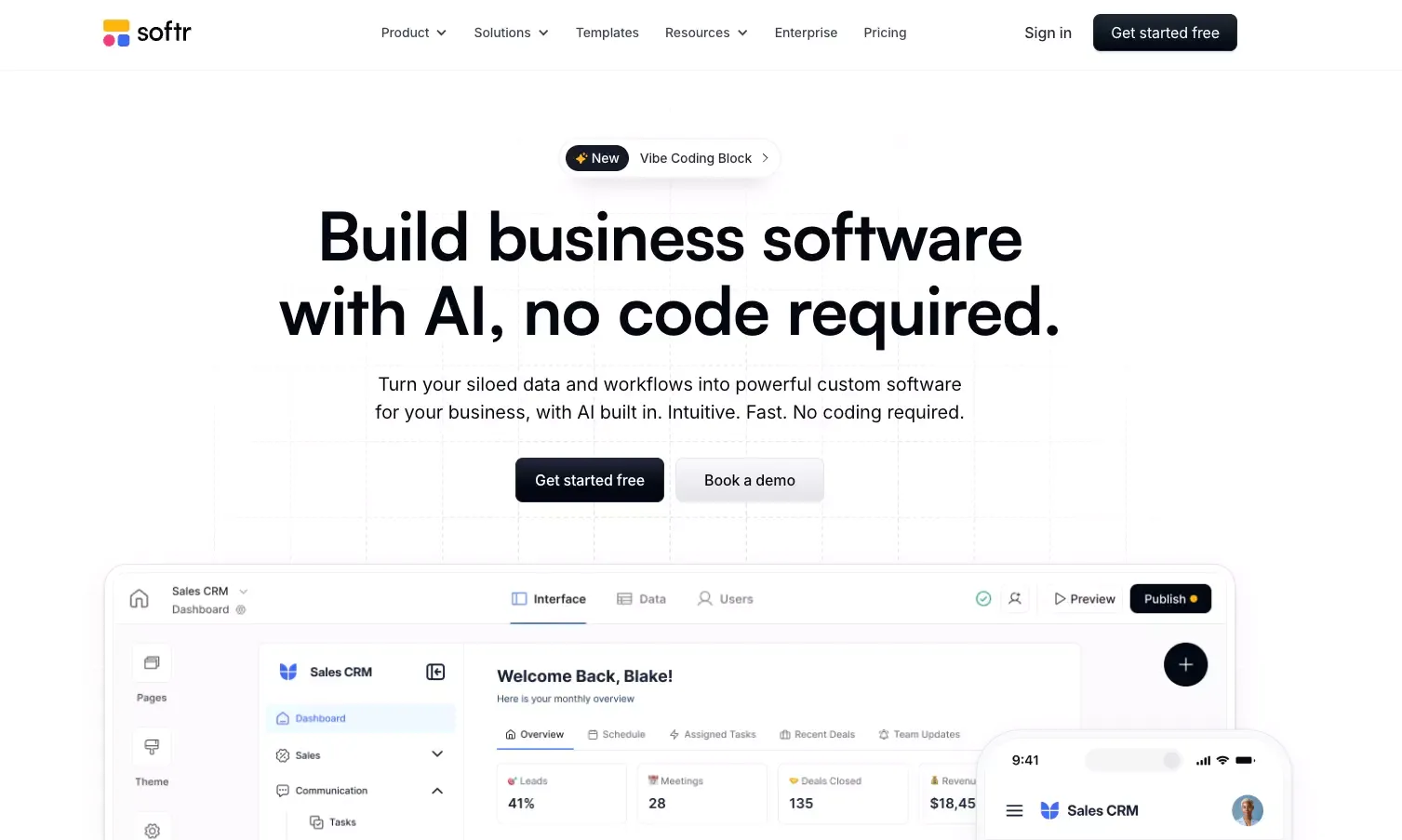
 Softr is one of those tools that looks almost too simple at first.
That is part of its appeal. It promises a fast way to turn structured data into a client portal, internal tool, or lightweight AI app without forcing you into a heavy build process.
After looking at how Softr is positioned today and how people actually use it, my view is fairly clear: it is a strong tool for a specific kind of job. It is not a great fit for every app idea, and that is exactly why it deserves a more honest review.
This article takes the practical angle. Not hype. Not “best no-code tool ever.” Just a grounded look at where Softr works well, where it starts to feel narrow, and who should seriously consider something else.
Softr Review: Quick Verdict
Softr is best for speed, structure, and simple business apps
Softr makes the most sense when you already know the workflow you want to build.
It is especially strong for:
- client portals
- AI dashboard builder workflows
- dashboards
- member areas
- lightweight business apps
- workflow layers built on top of existing data
Softr is less convincing when flexibility becomes the priority
The limits show up faster when you need:
- deeper product logic
- more custom UI behavior
- highly differentiated product experiences
- a tool that feels closer to full product development than portal building
Softr at a glance
| Category | Verdict |
|---|---|
| Ease of use | Very strong |
| Speed to first usable app | Very strong |
| Design flexibility | Moderate |
| Complex logic | Limited to moderate |
| Best use cases | Portals, internal tools, business apps |
| Best for | Non-technical teams, operators, agencies |
| Main tradeoff | Fast setup, but earlier ceiling |
What Is Softr in 2026?
Softr is no longer just an “Airtable front-end”
A lot of older opinions still describe Softr in narrow terms. That framing is outdated.
Today, Softr is better understood as a no-code app and website builder focused on:
- portals
- internal tools
- workflows
- structured business data
- user access and permissions
That distinction matters. It explains why Softr can feel more capable than people expect in some business settings, while still feeling limited for broader product work.
Softr is built for operational software, not unlimited software freedom
This is the most useful way to think about it.
Softr is not trying to be the most open-ended app platform on the market. It is trying to make a specific category of software easier to launch.
That category includes things like:
- a client portal for sharing project updates
- an internal dashboard for team operations
- a member directory
- a basic CRM-style workflow interface
- an AI prototype that turns backend data into something people can use
When you judge Softr through that lens, it makes a lot more sense.
My Approach to This Softr Review
I am judging Softr based on the job it is actually meant to do
I do not think Softr should be evaluated like a blank-slate product platform.
That usually leads to the wrong conclusion.
A better test is this:
- Can Softr help a team go from messy workflow to usable app quickly?
- Does it reduce the friction between business data and a real interface?
- Can non-technical users get value without fighting the tool?
Those are the questions that matter here.
The right benchmark is usefulness, not theoretical power
Many no-code tools look impressive in feature lists. That does not always translate into better outcomes.
In practice, teams often need:
- less setup
- fewer decisions
- a clean interface
- working permissions
- fast handoff
- a tool that feels easy to maintain
Softr does a good job when those are the goals.
Getting Started With Softr
The first impression is clean and light
One of Softr’s biggest strengths is that it does not feel intimidating.
That matters more than people think.
A lot of teams already know what they want to build. Their real problem is not lack of vision. It is lack of momentum. They have the data. They know who needs access. They understand the workflow. They just need something usable in front of people.
Softr is good at creating that momentum.
The setup feels practical rather than technical
This is where Softr has a real advantage.
Instead of pushing users toward developer-style thinking, it keeps the process closer to business logic:
- connect your data
- organize your pages
- choose blocks
- define permissions
- publish something usable
That sequence is easy to understand. It lowers the cognitive load.
The product feels strongest when the data already exists
Softr is especially appealing when your workflow already lives somewhere else and needs a better front end.
Examples include:
- spreadsheet-based operations
- Airtable-style workflows
- internal client management
- simple team dashboards
- membership or resource access systems
That is one of the reasons the platform feels so fast in the right setting.
What Softr Does Well
Speed is the main selling point, and it is a real one
This is not just marketing language. Speed is where Softr earns most of its credibility.
You are not spending your first stretch wrestling with architecture decisions. You are shaping an interface around a workflow that already exists.
That makes the product feel immediately productive.
The block-based approach keeps things moving
Softr’s structure can feel restrictive at times, but it also explains why the tool is approachable.
The upside of the block system is clear:
- faster page building
- lower design friction
- fewer layout decisions
- easier consistency across the app
For many business apps, that is a good trade.
Permissions are one of the most practical parts of the product
This is an underrated strength.
A lot of internal tools and client-facing systems live or die on access control. Softr’s user and permission model makes the platform more useful than a basic page builder.
That is why it fits well for:
- client portals
- team tools
- gated resources
- user-specific dashboards
- membership-style experiences
Softr works well when the app’s job is clarity
This is where Softr feels smartest.
It helps turn operational complexity into interface simplicity.
That may not sound exciting, but it is valuable. Many teams do not need a breakthrough product experience. They need a system people will actually use.
Softr is good at that.
Softr’s Main Weakness Is the Ceiling
The design ceiling appears earlier than many users expect
At the start, Softr looks polished and efficient.
Later, the limits become easier to notice.
The challenge is not that the design is bad. The challenge is that the range of expression is narrower than some teams want once they start refining the product.
That shows up in areas like:
- more custom page behavior
- more specific UI patterns
- stronger visual differentiation
- less template-like presentation
Complex product logic is not where Softr feels strongest
This is the bigger issue.
Softr works well when the interface maps cleanly to the workflow. It becomes less comfortable when the product needs:
- deeper branching logic
- more unusual user actions
- layered states and interactions
- behavior that does not fit neatly into page-and-block patterns
That does not make Softr weak. It just makes it opinionated.
It is easier to build a portal than a true software product
This is the line I would keep in mind before choosing it.
Softr is usually strongest when the app is:
- structured
- workflow-driven
- data-backed
- access-controlled
- operational in nature
It is less convincing when the product itself needs to become the differentiator.
That is where some teams begin to outgrow it.
The mobile story is useful, but it is not a native app story
This point is easy to misunderstand.
Softr can work well on mobile and can make sense for teams that want a web app experience people can access from their phones. But that is not the same thing as building a native mobile product.
For some buyers, that distinction is minor.
For others, it is critical.
Softr Pricing Review: Is It Good Value?
The entry point is easy to justify
One reason Softr is attractive is that it is easy to try and easy to understand.
That lowers buying friction. It also makes the platform appealing for teams that want to create an MVP showcase before committing to a heavier tool.
The real pricing question comes later
The key issue is not whether Softr is expensive on day one.
The real question is this:
When your app becomes more important, does Softr still feel like the right place to keep building?
That depends on why you are paying.
Softr feels like good value when it saves operational time
It can be a very reasonable choice when it helps a team:
- replace manual workflows
- reduce spreadsheet chaos
- organize client communication
- give users self-serve access
- launch something useful quickly
In those cases, the ROI can be obvious.
Softr feels less compelling when the limits show up before the value compounds
This is the harder truth.
A tool does not become expensive only because the monthly bill rises. It can also become expensive when you start hitting product constraints too early.
That is the real risk with Softr for some teams.
Softr Pros and Cons
Pros
- Very easy to learn
- Fast path from idea to usable interface
- Strong fit for portals and internal tools
- Good for non-technical teams
- Permissions and structured workflows are practical
- Clean choice for teams that value speed over flexibility
Cons
- Limited design freedom compared with broader builders
- Complex product logic can feel awkward
- Better for operational software than differentiated product software
- Some teams will hit the ceiling earlier than expected
- Not the best fit for buyers with long-term custom product ambitions
Who Should Use Softr?
Softr is a strong fit for internal tools
If your team needs a practical interface for operations, Softr deserves serious consideration.
It is a good match for:
- CRM-style internal views
- project dashboards
- team workflow systems
- resource hubs
- simple approval or status-tracking tools
Softr works well for client portals and member experiences
This is another natural fit.
You can see the value clearly when the goal is to give users:
- secure access
- personalized views
- shared documents or updates
- simple self-serve workflows
- structured information in a clean layout
Softr is useful for non-technical teams that need speed
This is where the product feels most appealing.
For teams that do not want to live inside development tooling, Softr offers a more approachable way to get something functional into the world.
Who Should Probably Skip Softr?
Softr is not ideal for complex product teams
I would be cautious if your roadmap depends on:
- deeper custom logic
- highly specific interactions
- more advanced UX patterns
- stronger design control
- a path toward something that feels like a full custom product
It is also not the best fit for builders who already know they need more flexibility
Some teams start with Softr because it looks fast, then realize they did not really need speed alone. They needed room to grow.
That is an important distinction.
A fast start is not always the same as a good long-term platform decision.
Softr Alternatives for Different Needs
Atoms makes more sense when you need to go beyond portal-style apps
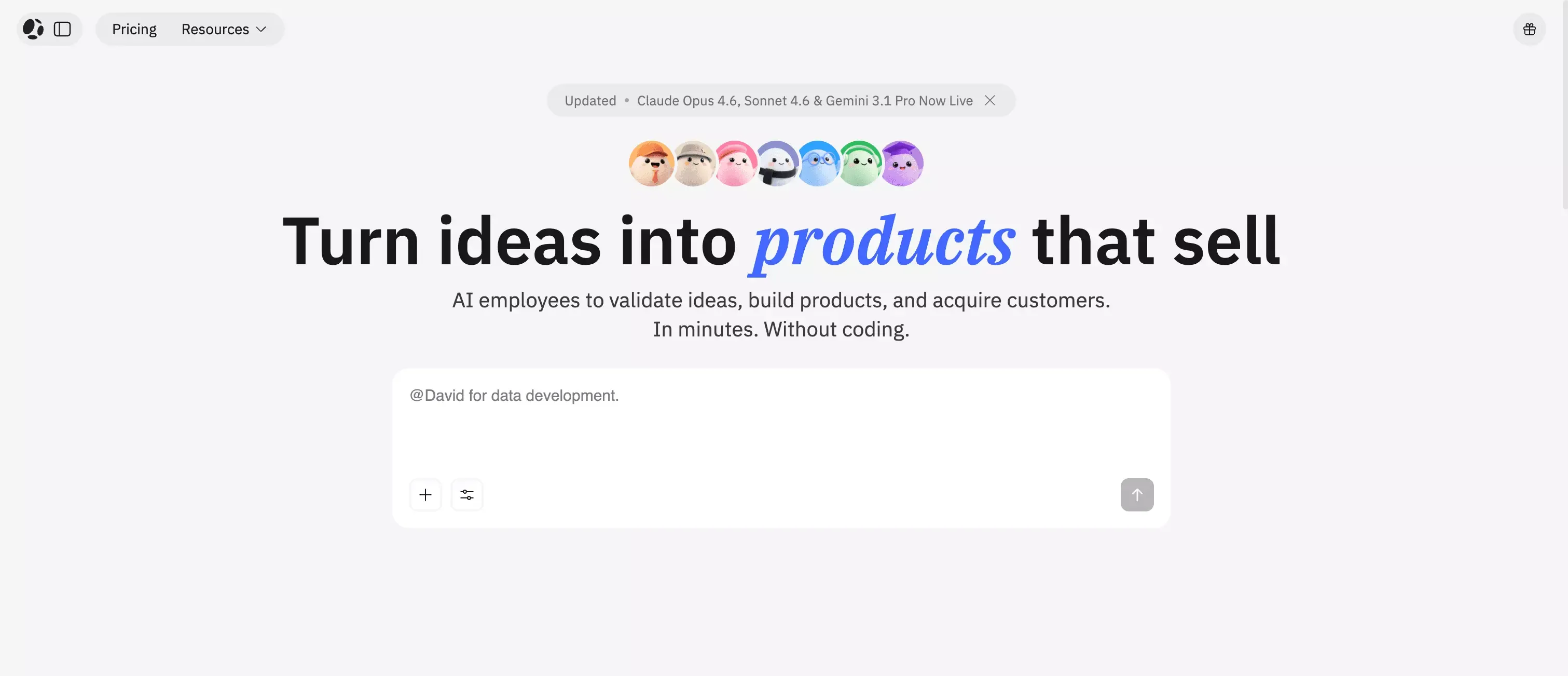 This is where an AI app builder like Atoms fits naturally into the conversation.
I would not describe Atoms AI as a direct copy of what Softr does. The better way to frame it is this: Softr is compelling when you want to turn an existing workflow into a clean business app quickly. Atoms AI becomes more interesting when the project is starting to look bigger than a portal or internal dashboard.
That usually means:
- the product shape is still evolving
- the logic is becoming more ambitious
- the workflow is not fully predefined
- the end goal is closer to a fuller software product
In that scenario, Atoms AI feels like a more natural tool to shortlist, not because Softr is bad, but because the job itself has changed.
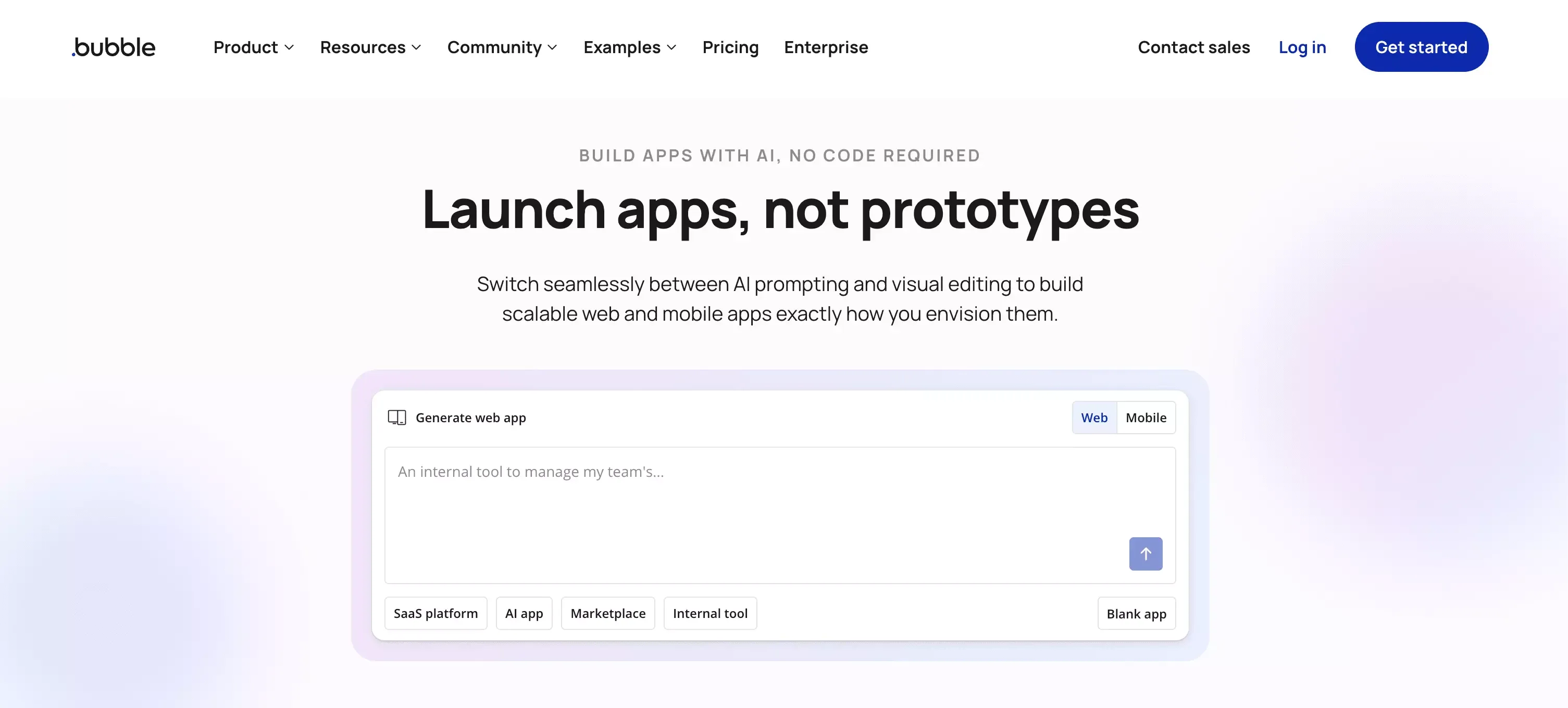
Bubble is worth considering if flexibility matters more than simplicity
Bubble is often the better match for users who know they want more control and are willing to accept more complexity in return.
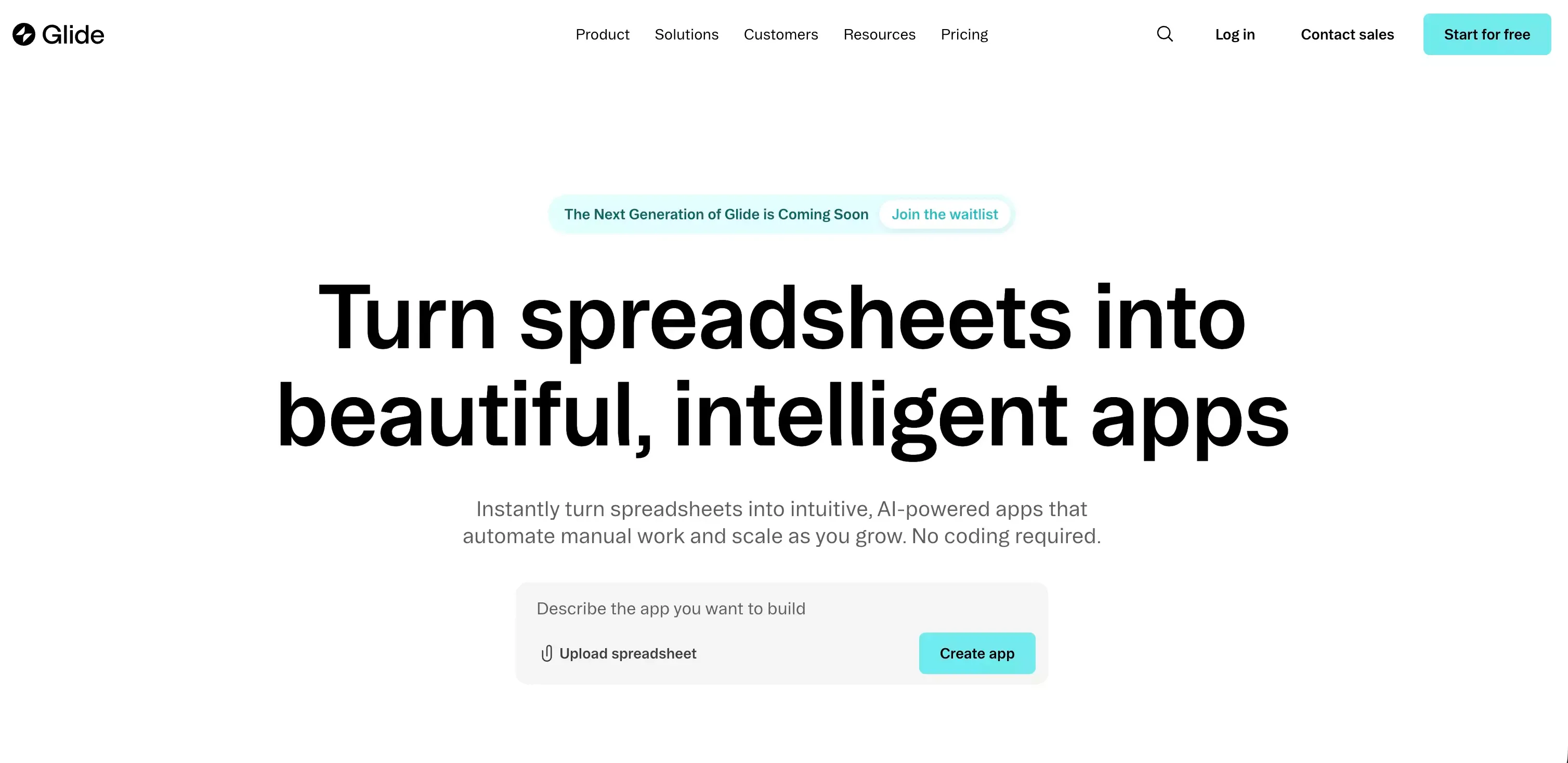
Glide can work well for lighter, spreadsheet-driven apps
If your use case is even simpler and more lightweight, Glide may feel like a more direct route.
Softr vs More Flexible Builders: The Real Tradeoff
Softr wins on clarity
What Softr does best is reduce setup friction and decision fatigue.
That alone gives it a legitimate place in the market.
More flexible tools win on headroom
The tradeoff is that broader builders often provide:
- more customization
- more expressive product logic
- more room for product evolution
- fewer structural constraints later
Choosing Softr is really a decision about scope
This is the cleanest summary.
Choose Softr when:
- your workflow is already defined
- speed matters most
- the app is operational in nature
- you want structure more than freedom
Look elsewhere when:
- the product itself is still being invented
- you need deeper control
- your roadmap depends on more custom behavior
- you want more headroom from day one
Final Verdict: Is Softr Worth Using in 2026?
Yes, but only if you are buying it for the right reason.
In the right context, Softr is a very good tool.
It is fast, approachable, practical, and well-suited to a category of software that many teams actually need: portals, internal tools, and structured business apps.
That is the good news.
The harder truth is that Softr is not a general answer to every no-code or AI app-building need. It works best when the app is meant to organize and deliver workflows, not when the product itself needs to become highly custom and deeply differentiated.
That is why my final take is simple:
- Choose Softr for speed, clarity, and operational software
- Be cautious if you already see the need for deeper flexibility
- Consider tools like Atoms AI when the project is moving beyond portal-first constraints
That is not a criticism of Softr. It is the most honest way to describe its value.
FAQ About Softr
Is Softr good for beginners?
Yes. It is one of Softr’s clearest strengths. The platform is approachable and makes sense quickly, especially for non-technical users.
Is Softr only for Airtable-style apps?
No. That is now too narrow a description. Softr is better understood as a business app and portal builder with a broader workflow focus.
Can Softr replace Bubble?
Sometimes, but only for simpler and more structured use cases. If flexibility is a priority, Bubble is often the better fit.
Can Softr build a real business app?
Yes, especially when the app is operational, structured, and workflow-driven.
When should I look at alternatives like Atoms AI?
Look at Atoms AI when your project is becoming more product-like, more open-ended, or more ambitious than a typical portal or internal tool.
