 Maya Chen
On this page
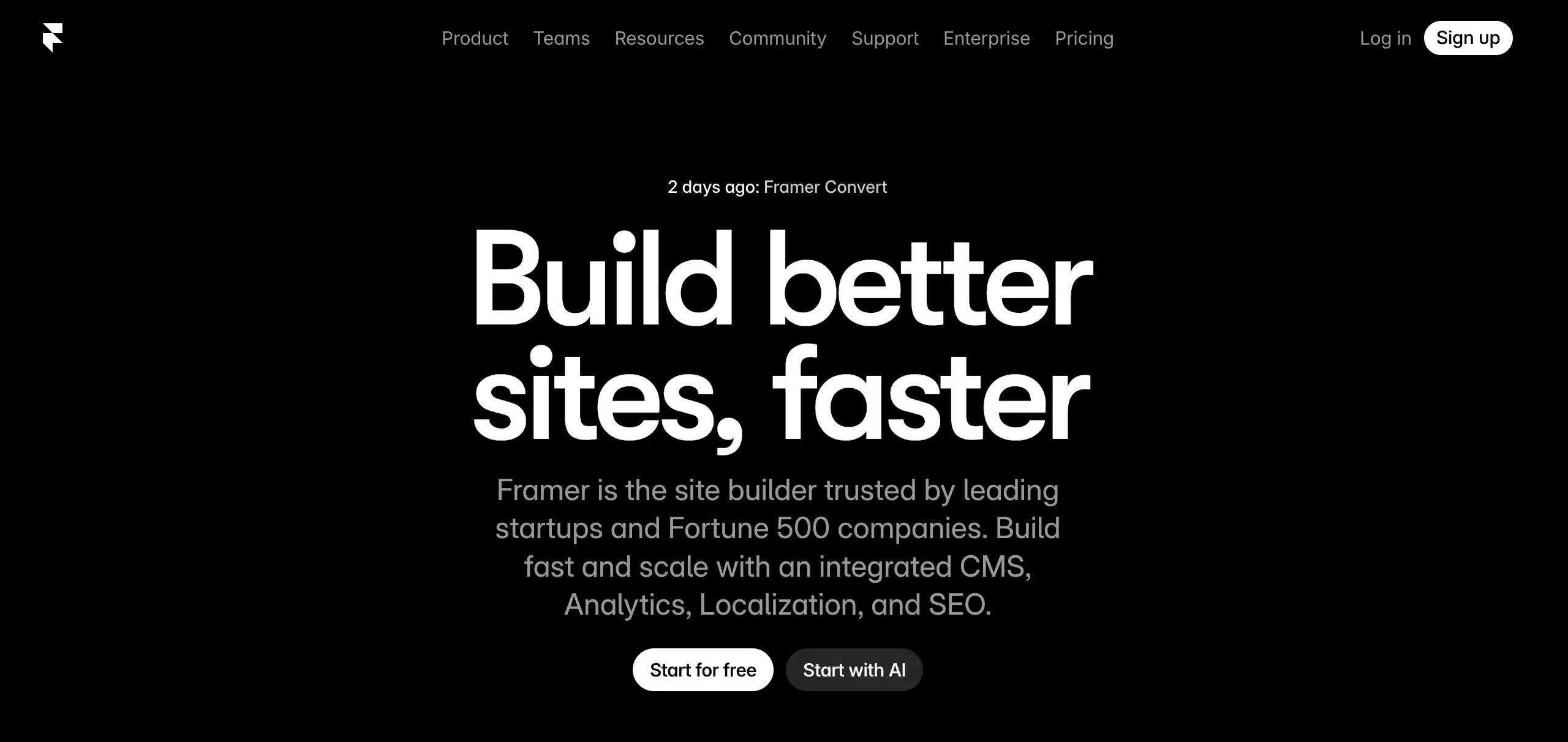 If you search for a Framer alternative, you are usually not trying to replace Framer feature for feature. You are trying to solve a specific problem.
Maybe you want a stronger CMS. Maybe you need easier client handoff. Maybe you want native commerce, more ownership, or a better path from website builder to product builder.
After reviewing the market, that is the pattern I keep seeing. Framer is still a strong option for fast, polished websites. But the real decision is not whether Framer is good. It is where Framer stops matching your workflow.
My honest take is simple: Framer is still one of the best-looking tools in this category. It feels fast. It feels modern. It is especially appealing if you care about visual polish and do not want a traditional handoff from design to development.
But once your needs shift toward content operations, multi-client workflows, commerce, or product logic, the shortlist changes quickly.
Why People Start Looking for a Framer Alternative
Framer does a lot well. It is fast, visual, and designer-friendly. For portfolios, landing pages, and modern startup sites, it still makes a strong first impression.
That said, most teams start looking elsewhere for one of these reasons:
- They need a more scalable CMS
- They want better editing workflows for marketers or clients
- They need stronger ecommerce support
- They are building something closer to a product than a marketing site
This is the key point: choosing a Framer alternative is rarely a design decision alone. It is usually an operations decision.
What I Look for in a Framer Alternative
When I compare tools in this space, I do not start with animations or templates. I start with the job the site needs to do six months from now.
The 3 Filters That Matter Most
1. Project Type
Different projects need different tools.
| Project Type | What Matters Most |
|---|---|
| Portfolio or simple website | Speed, polish, ease of use |
| Startup marketing site | Flexibility, CMS, SEO |
| Content-heavy website | Publishing depth, ownership, scalability |
| Agency client work | Collaboration, repeatability, handoff |
| SaaS or internal tool | Logic, workflows, product functionality |
2. Operating Model
Ask who will update the site after launch:
- A designer
- A marketer
- A founder
- A client
- A content team
This matters more than people think. A tool that feels great for a designer may be frustrating for a marketing team. A platform that works for one site may break down when you are managing ten.
3. Future Complexity
This is where many teams make the wrong choice.
A site builder that feels fast for pages may feel limiting for systems. If your roadmap includes gated flows, app-like surfaces, internal tooling, or product logic, the best Framer alternative may not be another website builder at all.
Quick Comparison: My Honest Picks
Here is the short version before I go deeper.
| Tool | Best For | Main Strength | Main Trade-Off |
|---|---|---|---|
| Atoms | Product-led teams, SaaS, internal tools | Goes beyond websites into usable product surfaces | Not the most direct choice for purely visual marketing sites |
| Webflow | Teams that want more structure and CMS depth | Strong balance of design control and scalability | More complexity than Framer |
| Wix Studio | Agencies and collaborative teams | Strong multi-site and team workflows | Less fluid than Framer for visual expression |
| Squarespace | Small businesses and creators | Polished, simple, low-friction setup | Less flexible for advanced builds |
| WordPress | Content-heavy and SEO-driven sites | Ownership, publishing depth, extensibility | More setup and maintenance |
| Duda | Agencies and client delivery | White label, handoff, repeatable production | Less ideal for highly custom brand experiences |
| Figma Sites | Design-led teams already in Figma | Smooth design-to-live-site workflow | Still less proven for long-term site operations |
Atoms
 Atoms is the least one-to-one replacement on this list, and that is exactly why I put it first.
If Framer is website-first, Atoms is more build-first. It makes more sense when you are not just trying to publish a good-looking site. You are trying to launch something usable.
Where Atoms Stands Out
- SaaS landing pages
- Internal tools
- Dashboard builders
- Ecommerce workflows
- Product-led landing pages tied to real functionality
This is why Atoms is relevant in a Framer alternatives article. Many people say they want a Framer alternative, but what they really mean is:
I do not just need a nice site. I need something that works like a product app.
That is a different need entirely.
My Take
If your goal is a highly art-directed marketing site, Atoms is not the most direct answer.
But if you are a founder, operator, or product-minded team building beyond a brochure site, Atoms is one of the most practical options because it solves a broader business problem.
Webflow
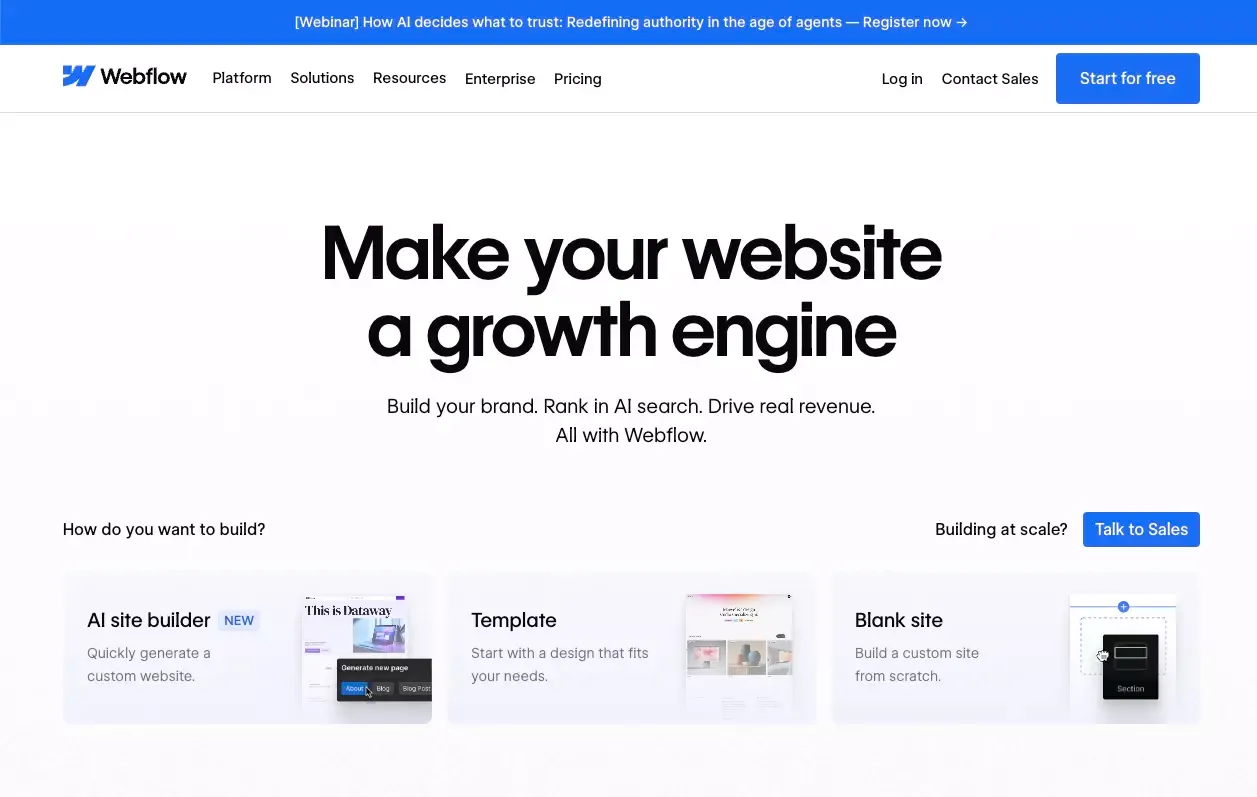 Webflow is still the strongest classic Framer alternative for teams that want more structure without giving up visual control.
It sits in a very useful middle ground:
- More scalable than lighter visual builders
- More designer-friendly than traditional development workflows
- Better suited to structured CMS and serious site operations
Why People Choose Webflow Over Framer
- Stronger CMS depth
- More mature site structure
- Better fit for mixed design and development teams
- Stronger long-term scalability for serious websites
Where Webflow Still Has Friction
- The learning curve is steeper
- It feels more system-driven
- It is not always the fastest way to get a polished page live
My view: Webflow is not universally better than Framer. It is better when your priorities shift from visual speed to operational structure.
Wix Studio
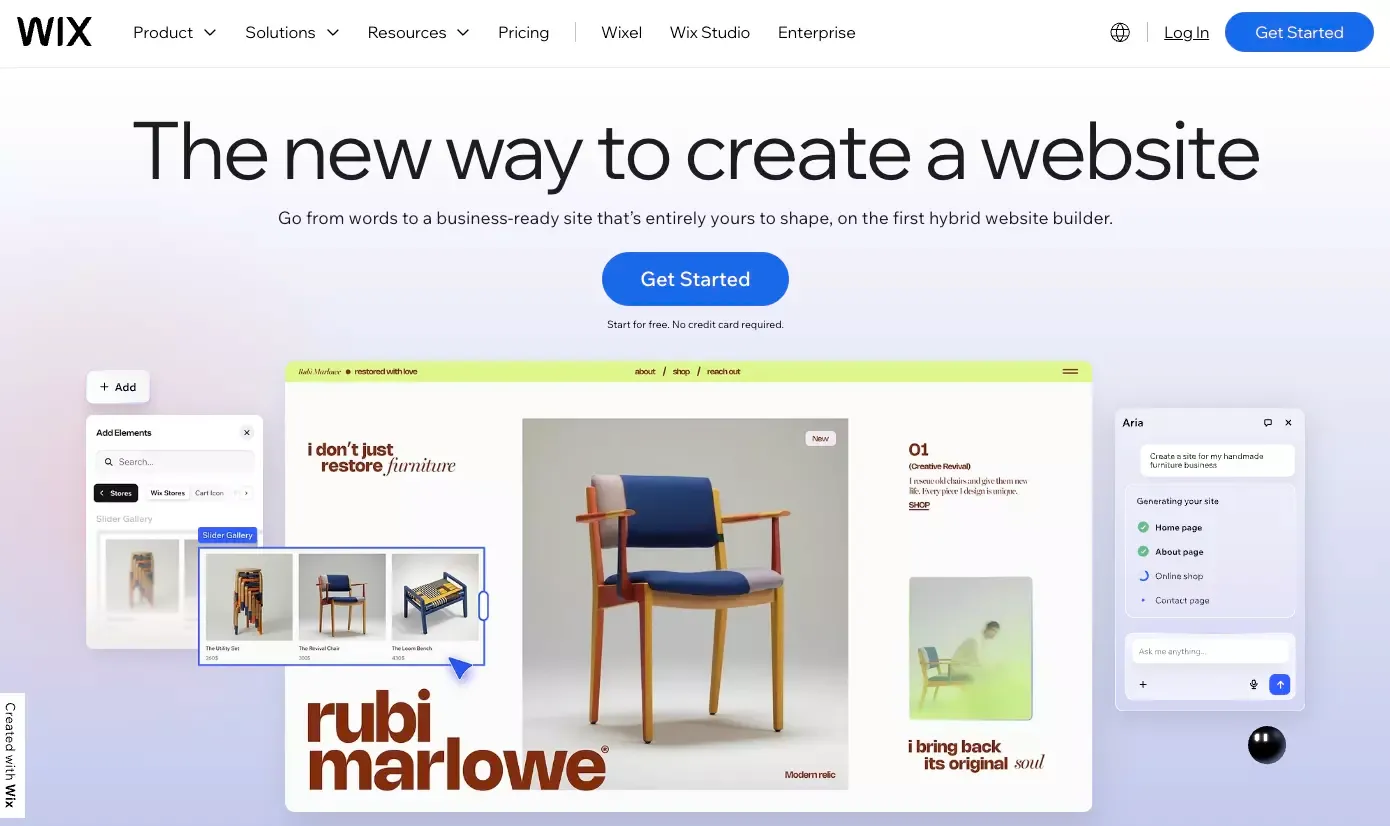 Wix Studio is much more serious than many people still assume.
It makes the most sense for teams that care about production workflows, collaboration, and scale. That includes agencies, service businesses, and multi-site teams.
Best Reasons to Choose Wix Studio
- Better collaboration for teams
- Useful for agency delivery
- More repeatable workflows across multiple sites
- Stronger operational mindset than many design-first tools
Where Framer Still Feels Better
- Brand expression
- Motion-heavy creative direction
- Faster experimentation for visually led pages
Wix Studio feels more practical. That sounds less exciting, but practical usually wins once the website becomes part of a real business operation.
Squarespace
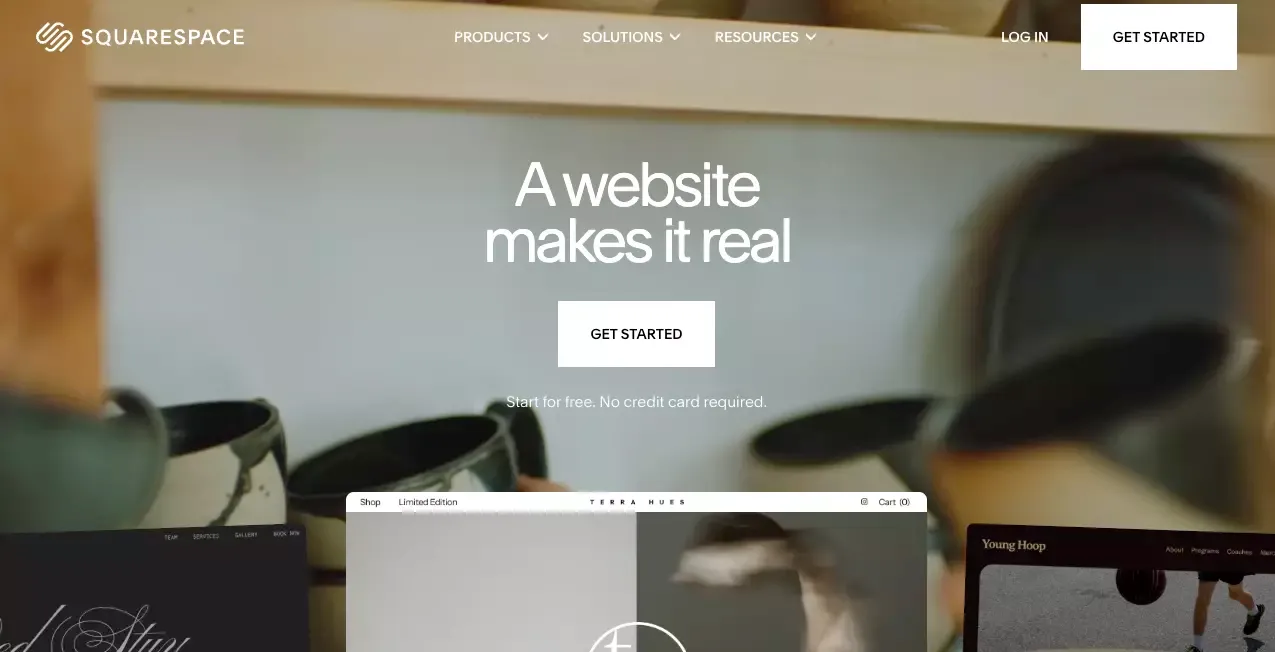 Squarespace is still one of the safest picks for people who want a polished business website without turning the project into a full design exercise.
It is not the flashiest platform on this list. It is one of the easiest to live with.
Who Squarespace Is Best For
- Consultants
- Creators
- Small businesses
- Service brands
- Teams that want simplicity over flexibility
Why It Works
- Clean templates
- Low setup friction
- Easy ongoing maintenance
- Good all-in-one feel
Where It Falls Short
- Less flexible for advanced workflows
- Less appealing for highly custom interaction design
- Not the best fit for complex growth-stage website systems
If I cared most about keeping the site easy to run, I would choose Squarespace before I chose Framer.
WordPress
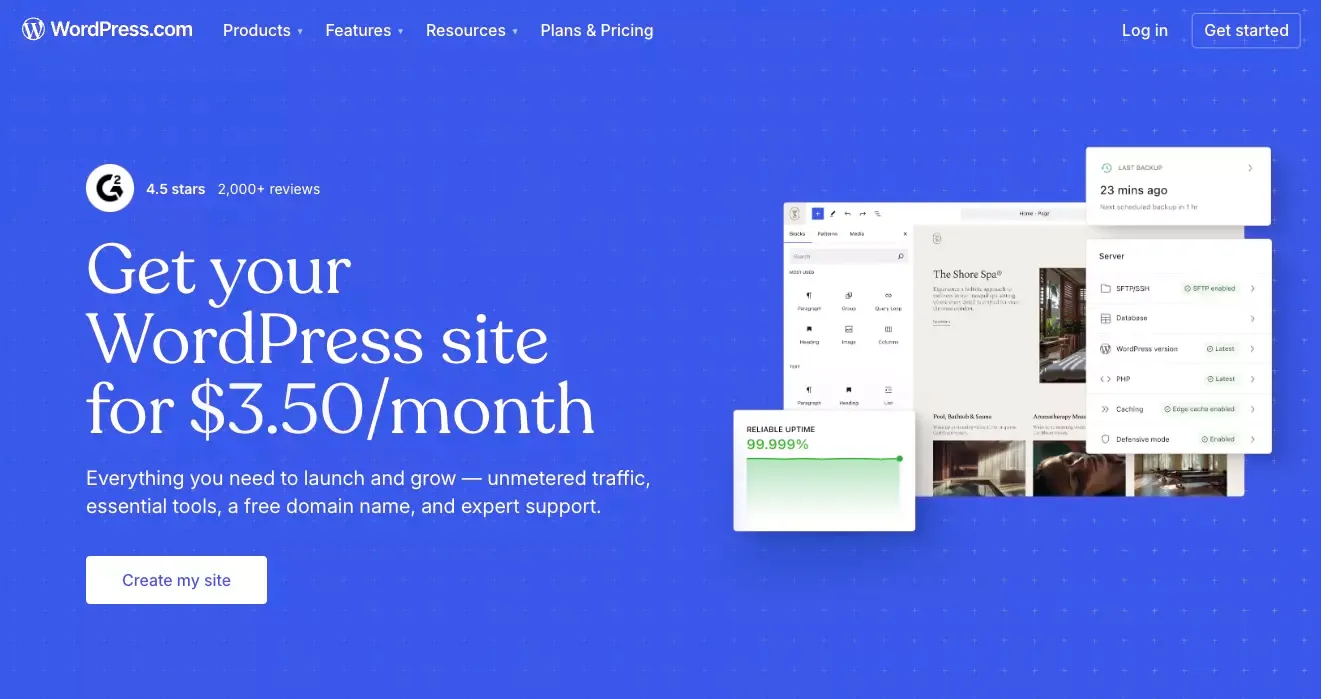 WordPress is still the ownership-first answer.
It is not the most elegant tool on day one, but it is often the most durable choice on day 500. That matters if your site is really a publishing engine.
Why WordPress Still Matters
- Open ecosystem
- Full hosting flexibility
- Strong plugin ecosystem
- Excellent fit for SEO publishing
- Better long-term control over structure and content
Best Fit
| Best Fit for WordPress | Why |
|---|---|
| Content-heavy blogs | Deep publishing workflows |
| Editorial websites | Flexible content architecture |
| SEO programs | Strong content ownership and extensibility |
| Long-term web properties | More control over infrastructure |
The Trade-Off
- More setup
- More maintenance
- More moving parts
- Can feel heavier than modern visual builders
My blunt opinion: WordPress is rarely the prettiest option upfront. But if content drives growth, it is still one of the smartest choices on the board.
Duda
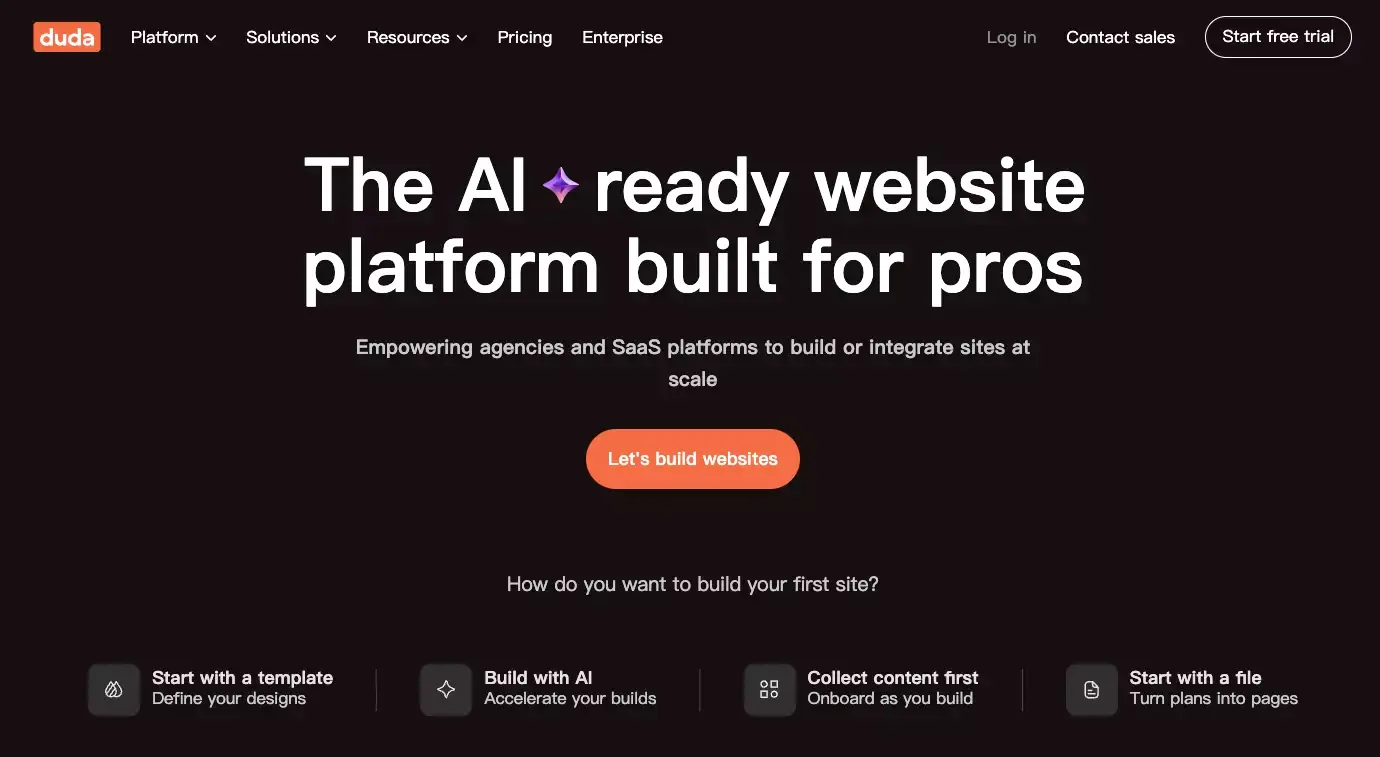 Duda is one of the clearest business-model-fit alternatives to Framer.
It is not trying to be the coolest tool. It is trying to help agencies deliver sites efficiently, hand them off cleanly, and scale client work.
Why Agencies Like Duda
- White-label options
- Client management workflows
- Repeatable production
- Cleaner handoff structure
- Better fit for service delivery businesses
Where It Is Less Compelling
- Experimental brand experiences
- Motion-first creative sites
- Highly custom visual storytelling
If I were running an agency and needed predictable delivery, I would look at Duda seriously.
Figma Sites
Figma Sites is interesting because it changes the shape of the conversation.
For teams already living inside Figma, the appeal is obvious: fewer handoffs, fewer tool switches, and a smoother path from design to live page.
Best Reasons to Consider Figma Sites
- You already work in Figma all day
- You want tighter design-to-publish continuity
- You care more about workflow simplicity than platform maturity
My Caution
I would still treat it as a workflow win more than a mature website operations stack.
That means I like it most for design-led teams optimizing around speed and continuity, not for teams that already know they need deep CMS, commerce, or long-term operational tooling.
Which Framer Alternative Is Right for You?
Choose Atoms if
- You are building more than a website
- You need product logic, workflows, or app-like functionality
- Your site is really the front door to a SaaS product or internal tool
Choose Webflow if
- You want the strongest design-control upgrade path
- You need a better CMS and more structure
- You want a serious website system without going fully custom
Choose Wix Studio if
- You run an agency or collaborative delivery team
- You manage multiple sites
- You need repeatable workflows more than visual freedom
Choose Squarespace if
- You are a creator, consultant, or small business owner
- You want a polished site with low maintenance
- You value simplicity over deep customization
Choose WordPress if
- Content, publishing, and SEO are central to growth
- Ownership matters
- You want long-term extensibility
Choose Duda if
- Client delivery is your business model
- You need white-label workflows
- Clean handoff matters more than cutting-edge design
Choose Figma Sites if
- Your team is already centered on Figma
- Design continuity matters most
- You are comfortable trading some maturity for workflow convenience
Mistakes to Avoid When Switching from Framer
1. Choosing Based Only on the Editor
A smooth editor is nice. It is not the same as business fit.
Many teams choose tools based on how good the canvas feels, then regret it later when content management, collaboration, or scaling becomes painful.
2. Treating Every Framer Alternative as the Same Kind of Tool
These tools solve different problems.
| Tool | What It Really Is |
|---|---|
| Webflow | A structure and CMS upgrade |
| Squarespace | A simplification play |
| WordPress | An ownership and publishing play |
| Duda | An agency operations play |
| Figma Sites | A design-continuity play |
| Atoms | A build-beyond-the-site play |
Once you see that clearly, the decision gets easier.
Final Verdict
Framer is still excellent for fast, beautiful, design-led websites.
But the best Framer alternative depends almost entirely on what you need next.
- If you want more structure and scalability, choose Webflow
- If you need agency workflow, look at Wix Studio or Duda
- If you care about simplicity, choose Squarespace
- If content ownership and publishing depth matter most, go with WordPress
- If the real job is to build something closer to a product app than a site, Atoms is the most interesting option in the group
That is my honest read of the current market.
Not every alternative beats Framer. Most do not. But several beat it very clearly for specific jobs, and that is the comparison that actually matters.
A little more clarity
Frequently asked questions
01What is the best Framer alternative for SEO?
For content-heavy SEO work, I would usually start with WordPress and then look at Webflow.
WordPress gives you the deepest publishing and ownership story. Webflow gives you a cleaner visual workflow with more structure than lighter builders.
02Which Framer alternative is easiest for beginners?
Squarespace is usually the easiest serious option for beginners who still want a professional result.
It reduces complexity better than most design-first tools.
03Which Framer alternative is best for agencies?
Wix Studio and Duda are the clearest agency-focused choices here.
Both are better aligned with collaboration, multi-site work, and client delivery than Framer.
04Which Framer alternative is best for content-heavy websites?
WordPress is still the strongest answer when the website is really a publishing engine.
That includes blogs, editorial programs, and SEO-driven content operations.
05Is there a Framer alternative for building full web apps?
Yes. That is where a platform like Atoms app builder becomes more relevant than a pure website builder.
If your brief includes product logic, internal tooling, or SaaS-style functionality, you should evaluate that category separately instead of only comparing visual website builders.
Share this article
 Posts
Posts 