 Ethan Carter
On this page
 Netlify is still a strong platform. It offers a polished Git-based workflow, preview deployments, serverless capabilities, and a good developer experience for frontend-heavy projects. But once a product grows beyond static delivery, many teams start to feel the limits. The problem usually is not that Netlify stops working. The problem is that the project changes faster than the platform fit does.
I have found that most teams do not search for a Netlify alternative because they dislike Netlify. They do it because their needs become more complex. Pricing becomes harder to predict. Backend requirements get heavier. Framework-specific behavior starts to matter more. And at some point, a static-first workflow no longer feels like the right center of gravity.
Quick Answer
If I were choosing today, I would evaluate the options like this:
| Platform | Best For | Main Strength | Main Trade-Off |
|---|---|---|---|
| Atoms | Teams that need to go from idea to working product fast | Broader product-building workflow, not just hosting | Not a pure one-to-one Netlify replacement |
| Vercel | Next.js-heavy teams | Tight framework alignment and polished DX | Costs can rise with scale and usage |
| Cloudflare Pages | Static sites and edge-first apps | Global delivery and attractive traffic economics | Less natural for traditional full-stack apps |
| Render | Full-stack apps | Frontend, backend, jobs, and database in one place | Less frontend-specialized than Vercel |
| Railway | Fast-moving startup teams | Quick app and database deployment | Usage-based pricing needs monitoring |
| GitHub Pages | Docs and open-source sites | Simplicity and stability | Very limited for dynamic products |
| Coolify | Teams wanting self-hosted control | Open-source and no vendor lock-in | More operational responsibility |
Atoms

Best for Teams That Need More Than Hosting
Atoms is worth mentioning early because it solves a broader problem than most tools in this category. It is not just about where you deploy. It is about how fast you can move from an idea to a real App or website.
That distinction matters. Many teams start by looking for a Netlify alternative, but what they really need is help with the entire build process. They are not only asking:
- Where should we host this?
- How do we preview changes?
- What is the cheapest platform?
They are also asking:
- How do we shape the product faster?
- How do we get an MVP live without stitching together too many tools?
- How do we reduce the time between concept and launch?
Atoms fits that second type of team much better than a traditional hosting platform.
Where Atoms Makes Sense
Atoms is a strong fit when:
- The team is building a new SaaS product, internal tool, or MVP
- Deployment is only one step in a much larger product workflow
- Speed of execution matters more than picking a narrow hosting layer
- The team wants product-building leverage, not just infrastructure
Where Atoms Is Less Relevant
Atoms is less relevant if:
- You only need a static site host
- You already have a mature engineering workflow
- You are only solving for CDN delivery or preview environments
My honest view is that Atoms should not be judged as a literal clone of Netlify. It should be judged as a broader answer for teams whose real bottleneck is product execution.
Vercel
Best for Next.js-Heavy Product Teams
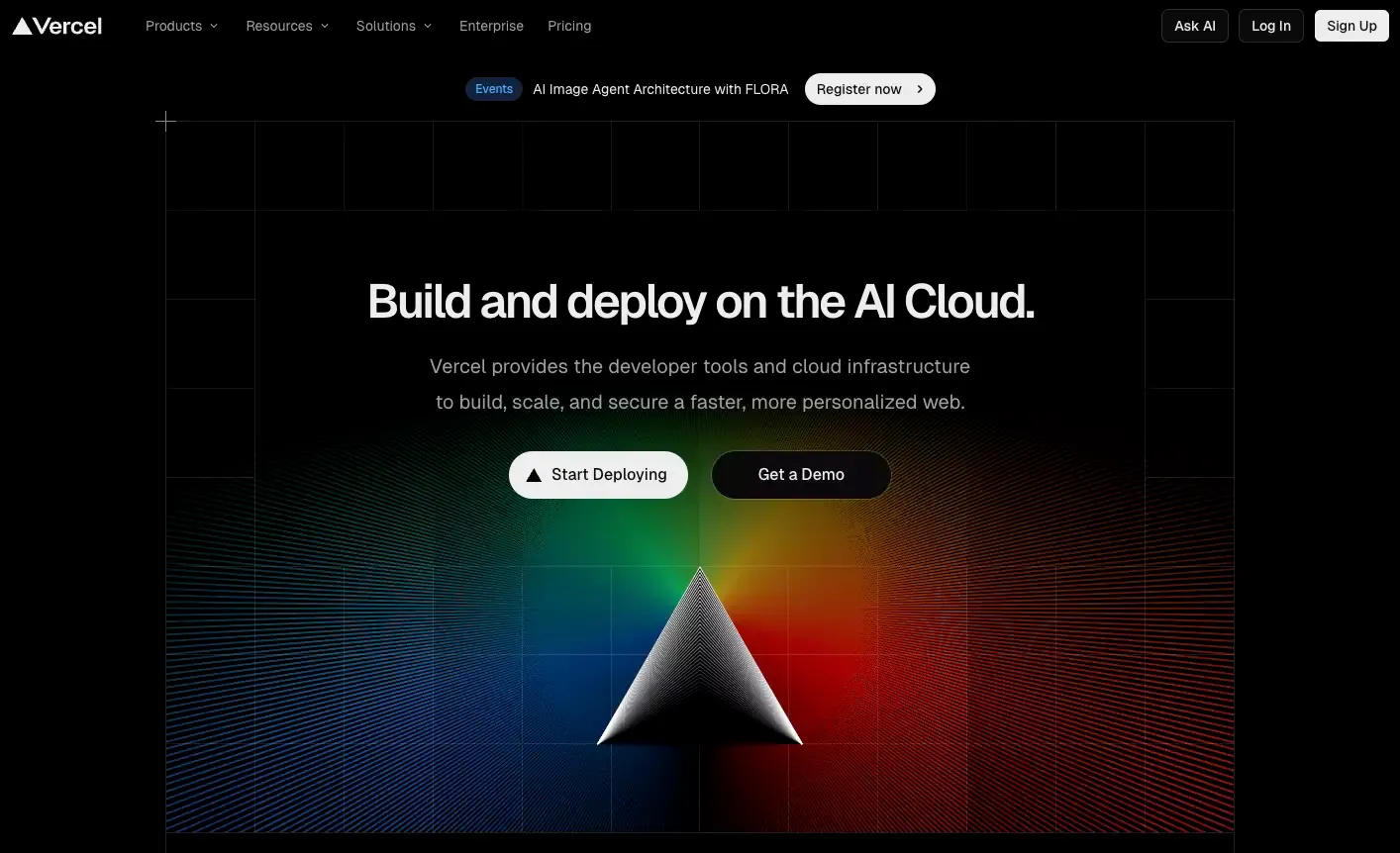
Vercel is the most obvious choice for teams deeply invested in the modern React and Next.js ecosystem. It is clean, fast, and purpose-built for frontend deployment at a high standard.
Why Vercel Stands Out
- Excellent developer experience
- Strong framework alignment
- Smooth preview workflow
- Very natural fit for frontend teams
Where Vercel Can Feel Less Ideal
- Costs can scale with usage
- It is strongest for frontend-centric workflows, not as an all-in-one backend platform
- Teams with more general infrastructure needs may want broader flexibility
If your team lives inside Next.js, Vercel is usually the most natural benchmark.
Cloudflare Pages
Best for Static Sites and Edge-First Delivery
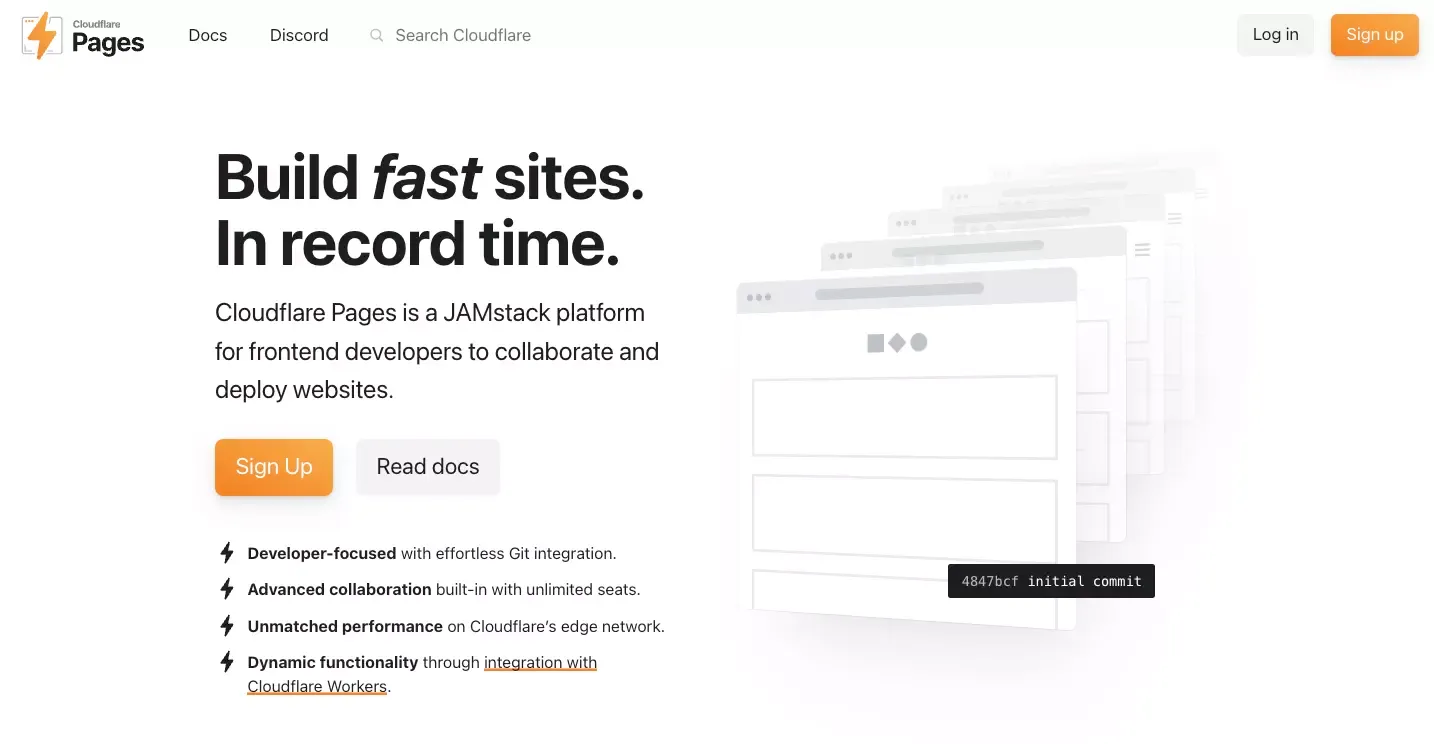
Cloudflare Pages is one of the strongest alternatives for teams that still like the static-first model but want different economics and stronger edge delivery.
Why Cloudflare Pages Works Well
- Excellent global CDN footprint
- Strong fit for static sites and edge logic
- Attractive economics for traffic-heavy projects
- Useful for content sites, landing pages, docs, and edge-rendered experiences
What to Watch
- It is not always the most intuitive choice for traditional full-stack app architecture
- Teams expecting a more classic application platform may find it less direct than Render or Railway
If the project is content-heavy or traffic-heavy, Cloudflare Pages deserves serious attention.
Render
Best All-Around Full-Stack Alternative
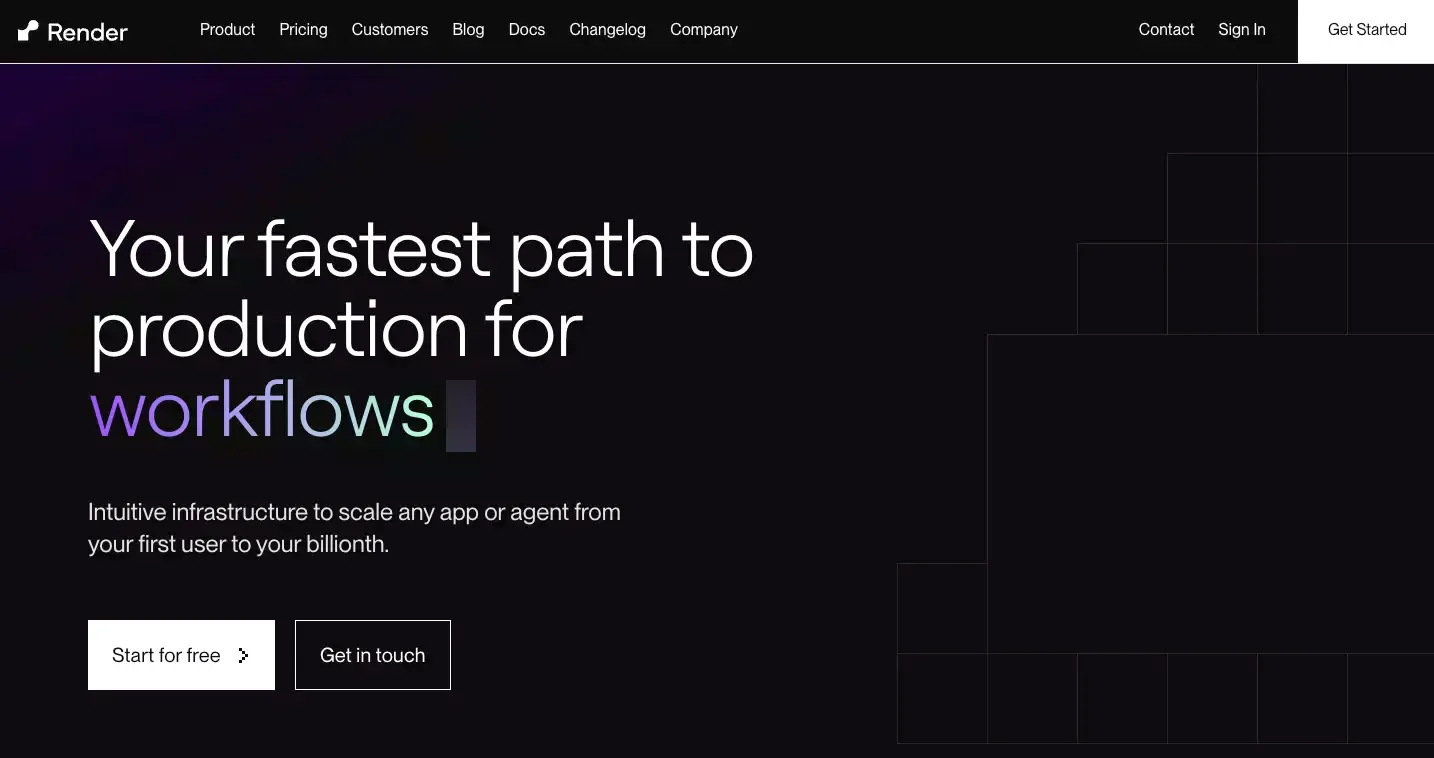
Render is the option I would recommend most often to teams that have clearly outgrown the static-hosting conversation.
Why Render Is Compelling
- Frontend, backend, workers, and databases can live in one platform
- Easier to manage than assembling multiple vendors
- Strong for startups and product teams that want a unified stack
- Good balance between simplicity and full-stack capability
Trade-Offs
- It is less specialized for frontend than Vercel
- It does not have the same static-first identity as Netlify or Cloudflare Pages
- Teams focused only on simple websites may not need this much platform
Render is often the best fit when a team wants fewer tools and a more complete application platform.
Railway
Best for Fast App-and-Database Shipping
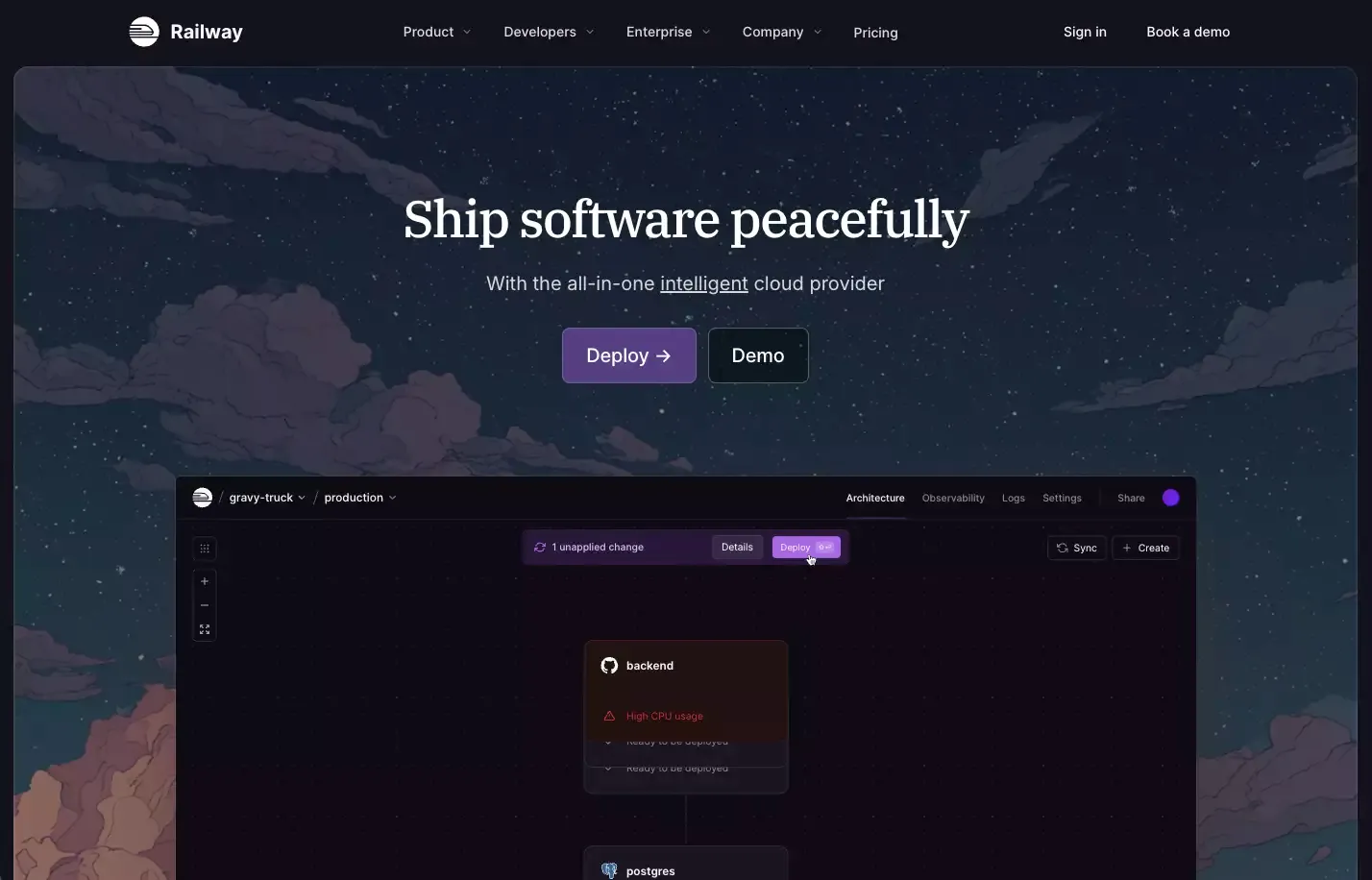
Railway is especially appealing for startups and small teams that want to move quickly. It feels lightweight, modern, and very deployment-friendly.
Why Teams Like Railway
- Fast path from repository to running product
- Good experience for services plus databases
- Great fit for prototypes, MVPs, and internal tools
- Feels efficient when speed matters more than platform formalities
What to Watch
- Usage-based pricing is elegant, but it can become less comfortable if nobody is watching resource growth closely
- It is great for fast teams, but not always the best answer for teams needing predictable enterprise-style governance
Railway is often the platform people choose when they want momentum more than ceremony.
GitHub Pages

Best for Docs, OSS, and Lightweight Static Sites
GitHub Pages remains one of the simplest and most dependable solutions for documentation, personal sites, and open-source project pages.
Best Use Cases
- Documentation websites
- Changelogs
- Project pages
- Personal portfolios
- Lightweight marketing pages
Limitations
- Not designed for serious backend functionality
- Not a full-stack platform
- Limited if the site needs dynamic product behavior
For docs and OSS, it is still hard to beat the simplicity.
Coolify
Best Self-Hosted Netlify Alternative
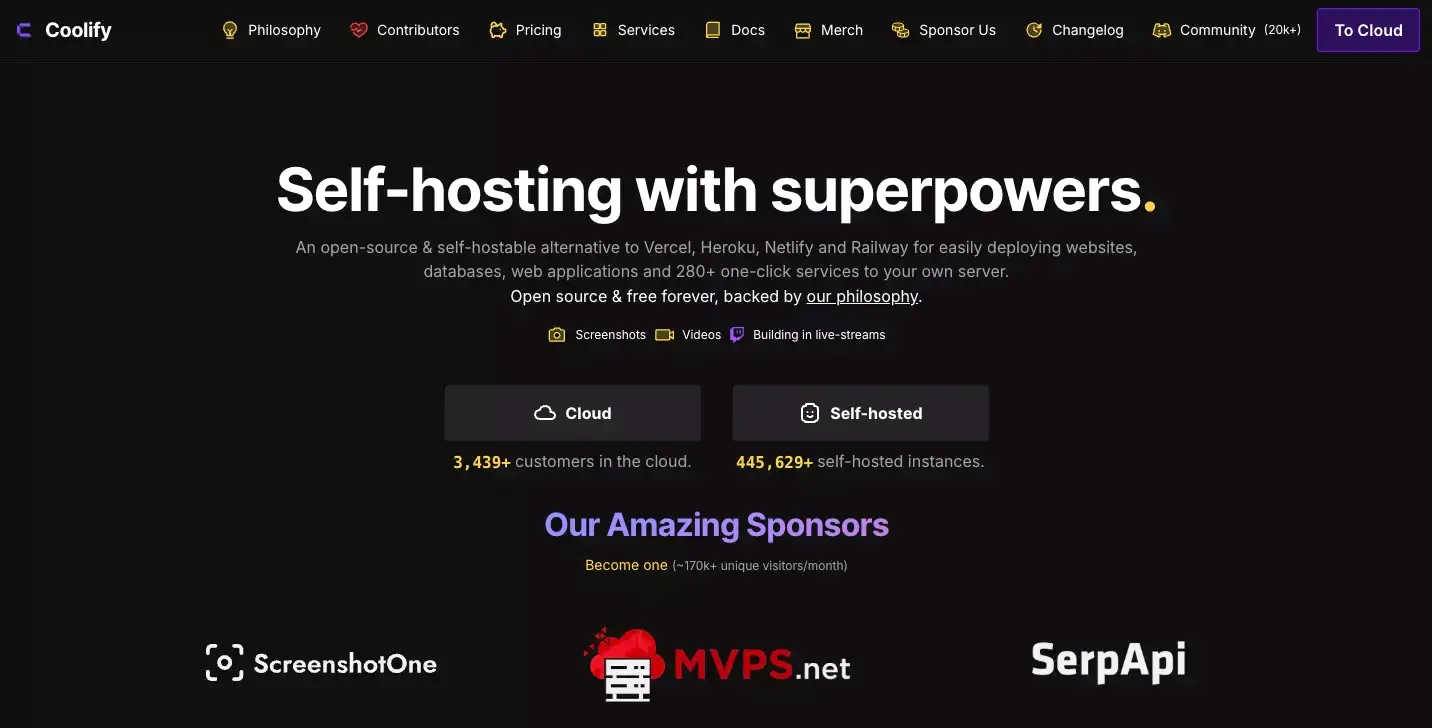
Coolify is the right choice for teams that want platform convenience but do not want to hand over infrastructure ownership.
Why Coolify Matters
- Open-source approach
- Self-hosted control
- Reduced vendor lock-in
- Good fit for teams that want operational independence
The Cost of That Freedom
- You own more of the operational burden
- Hosting, maintenance, and system responsibility shift back to your team
- It is only a good trade if control is genuinely important
Coolify is not for everyone, but for the right team, it solves a very real problem.
Netlify vs These Alternatives
| Decision Area | Netlify | Best Alternative If This Is Your Priority |
|---|---|---|
| Frontend workflow | Strong | Vercel |
| Static delivery at scale | Strong | Cloudflare Pages |
| Full-stack application support | Moderate | Render |
| Fast startup deployment | Moderate | Railway |
| Docs and OSS publishing | Good | GitHub Pages |
| Self-hosted control | Weak | Coolify |
| Product-building beyond hosting | Limited | Atoms |
What Actually Matters in Practice
Developer Experience
Developer experience still matters more than many teams admit. A clean preview workflow, simple Git integration, and easy rollback paths save real time. Netlify remains strong here, but Vercel is often smoother for frontend-first teams, while Render and Railway feel better once backend services enter the picture.
Pricing Predictability
Pricing is not just about the cheapest monthly number. It is about whether the team can predict what happens as traffic, services, or team size increase. That is why pricing model matters just as much as price point.
Backend Flexibility
This is usually the turning point. Once the application needs more than static hosting and lightweight serverless helpers, the field changes fast. Teams begin comparing platforms as real application environments, not just deployment tools.
Control and Portability
Some teams want convenience. Others want control. That split matters. Coolify is attractive when ownership matters. Managed platforms are attractive when operational simplicity matters. Neither choice is inherently better. It depends on what the team is optimizing for.
How to Choose the Right Netlify Alternative
Choose Based on Project Type
| Project Type | Best Fit |
|---|---|
| Static marketing site | Cloudflare Pages or Netlify |
| Docs or open-source site | GitHub Pages |
| Next.js product | Vercel |
| Full-stack SaaS app | Render |
| Fast MVP or internal tool | Railway |
| Product idea to launch workflow | Atoms |
| Self-hosted application stack | Coolify |
Choose Based on Team Reality
Solo Developer or Freelancer
The best option is usually the one that reduces setup time and ongoing maintenance.
- Cloudflare Pages works well for static projects
- Railway works well for fast-moving app experiments
- GitHub Pages works well for docs and simple sites
Small Product Team
The best option is usually the one that reduces tool sprawl.
- Vercel works well for frontend-heavy product teams
- Render works well for mixed full-stack needs
- Atoms works well when the team wants to accelerate product creation, not only deployment
Engineering Team With Platform Needs
The best option is usually the one that balances governance, flexibility, and cost visibility.
- Render is strong for unified app infrastructure
- Coolify is strong for control and self-hosting
- Vercel is strong if frontend velocity is the primary concern
Migration Checklist Before Leaving Netlify
Before switching, I would review these areas carefully:
Platform-Specific Dependencies
- Forms
- Functions
- Identity features
- Redirects and rewrites
- Environment variables
- Build plugins
- Preview deployment habits
Workflow Questions
- What replaces the existing preview workflow?
- Are there any framework-specific behaviors that need to be revalidated?
- Will the new platform change how the team handles rollbacks or staging?
Risk Check Before Cutover
- Test the deployment pipeline end to end
- Confirm performance expectations
- Review observability and debugging flow
- Validate that the migration is not changing app behavior in subtle ways
A lot of migrations fail because teams think they are moving infrastructure when they are really changing workflow and runtime behavior at the same time.
Final Verdict
There is no universal best Netlify alternative because teams use Netlify for different reasons.
If you have realized that deployment is only one small part of a much bigger business, choose Atoms.
If you want the smoothest frontend-focused platform, choose Vercel.
If you want static-first delivery with strong traffic economics, choose Cloudflare Pages.
If you want a balanced full-stack platform, choose Render.
If you want speed for apps and databases, choose Railway.
If you want a simple docs or OSS site, choose GitHub Pages.
If you want self-hosted control, choose Coolify.
That last point is the one many comparison articles miss. Sometimes the real question is not which hosting platform replaces Netlify. Sometimes the real question is whether hosting is even the main problem anymore.
Share this article
 Posts
Posts 