 Ethan Carter
On this page
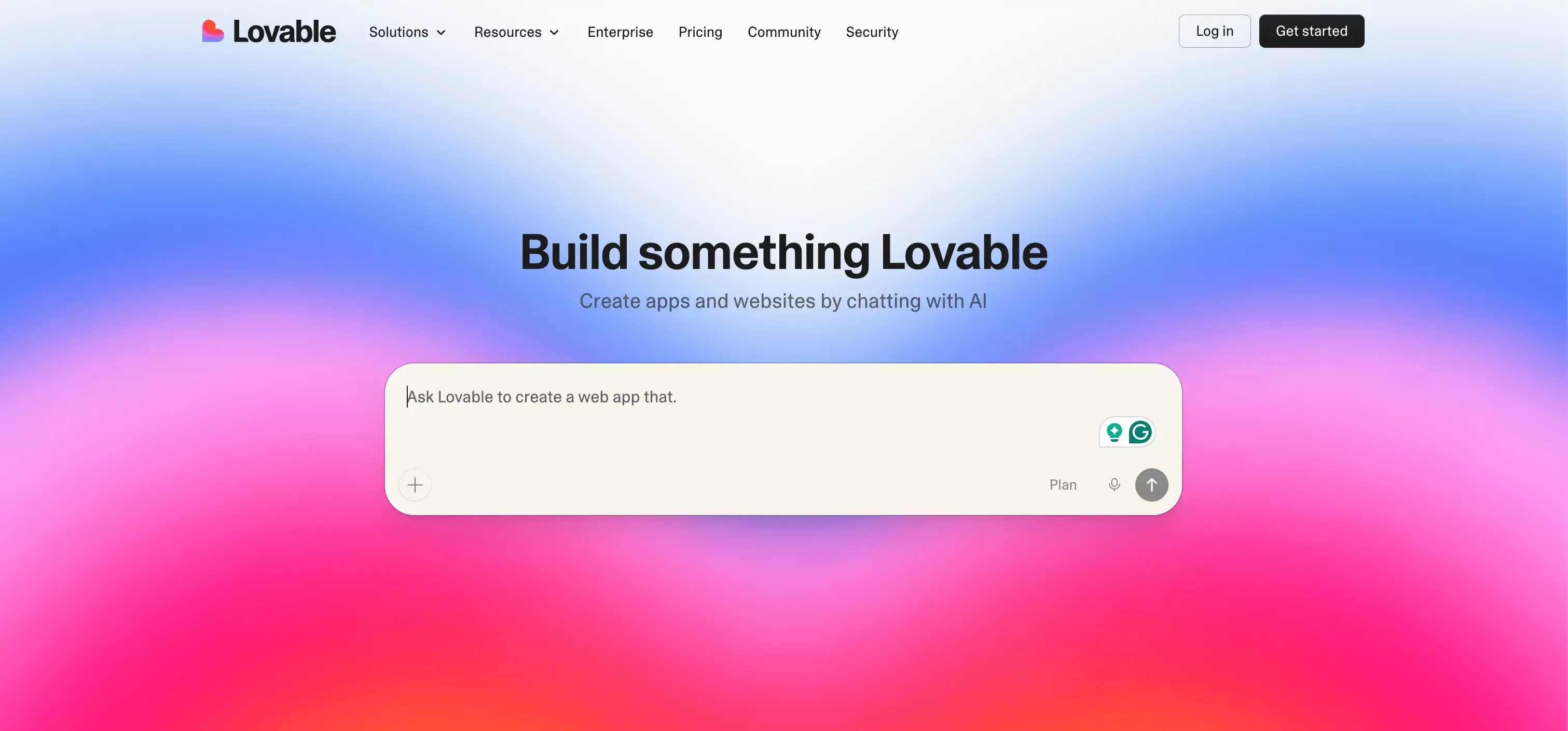 Lovable is easy to like. You describe what you want, it generates a working app, and you keep iterating through chat. That is a strong starting point.
But the best Lovable alternative is not the one with the loudest AI pitch. It is the one that matches how you actually build.
Different builders need different things:
- Some want visual control without touching code
- Some want a code-first workflow with stronger ownership
- Some need internal tools, dashboards, or client portals
- Some want to move from a rough idea to an app and website in one flow
That is the lens I used for this guide. I am not trying to force one universal winner. I am trying to help you find the right fit after the first AI-generated draft stops feeling magical.
Quick Comparison of the Best Lovable Alternatives
| Tool | Best For | Main Strengths | Main Limitations |
|---|---|---|---|
| Atoms | Idea-to-product workflows | Strong from brief to app or website, good for fast founder-led execution | Less familiar to mainstream audiences than older platforms |
| Bolt.new | Prompt-based rapid building | Very fast, energetic workflow, low setup friction | Easy to create messy loops if prompts are unclear |
| Bubble | Serious no-code app building | Strong visual editor, database and logic depth, durable for business workflows | Can feel opinionated as complexity grows |
| Replit | Code-first founders and dev teams | Developer-friendly, AI-assisted coding, closer to real software workflows | Less beginner-friendly than visual-first tools |
| v0 | Frontend-heavy product teams | Fast UI generation, strong for components and code-adjacent teams | Not ideal for fully non-technical users |
| WeWeb | Flexible apps with ownership in mind | Good balance of visual building and long-term flexibility | Slightly less instant than pure prompt-first tools |
| Softr | Internal tools and portals | Easy to launch, clear workflow, strong for operations teams | Less flexible for highly custom product experiences |
| Webflow | Design-led websites | Polished visual workflow, strong site building, good for website-led projects | Less natural as a broad app platform |
Why People Start Looking for a Lovable Alternative
In most cases, people do not leave Lovable because of one dramatic failure. It usually happens gradually.
Common reasons include:
-
Prompt loops get expensive
- More prompts do not always mean better results
- Rework builds up when the project becomes more detailed
- Speed often drops when edge cases start piling up
-
Control gets thinner as the app grows
- Early versions feel fast and exciting
- Later versions need more structure
- Teams start asking who owns what and how changes should be made
-
Different teams need different levels of control
- A solo founder often wants speed
- A product team usually wants cleaner handoff
- Developers often care more about code ownership than visual convenience
-
A fast prototype is not the same as a maintainable product
- Version one is only the start
- Scaling needs better editing, collaboration, and workflow clarity
- The real question becomes whether the tool still feels right later
A lot of comparison articles miss this point. They focus too much on the first generated result. The more important question is what happens after that.
How I Evaluated These Lovable Alternatives
I looked at these tools through a practical product lens, not a hype lens.
Speed From Prompt to First Usable Version
What mattered most:
- How fast the first build appeared
- How usable that first build felt
- How much cleanup was needed right away
- Whether iteration stayed efficient after the first draft
Code Ownership and Editability
Key questions I looked at:
- Can developers take over cleanly?
- Can non-technical users still make changes?
- Does the workflow stay understandable over time?
- Does the platform create long-term dependence?
Backend Depth and Integration Flexibility
I paid attention to:
- Authentication
- Data handling
- Logic flexibility
- API and integration readiness
- Whether the tool felt shallow or structurally useful
Collaboration, Deployment, and Scalability
I also looked at:
- Deployment flexibility
- Team collaboration
- Handoff quality
- How well the workflow holds up as complexity increases
The Best Lovable Alternatives to Consider
Atoms
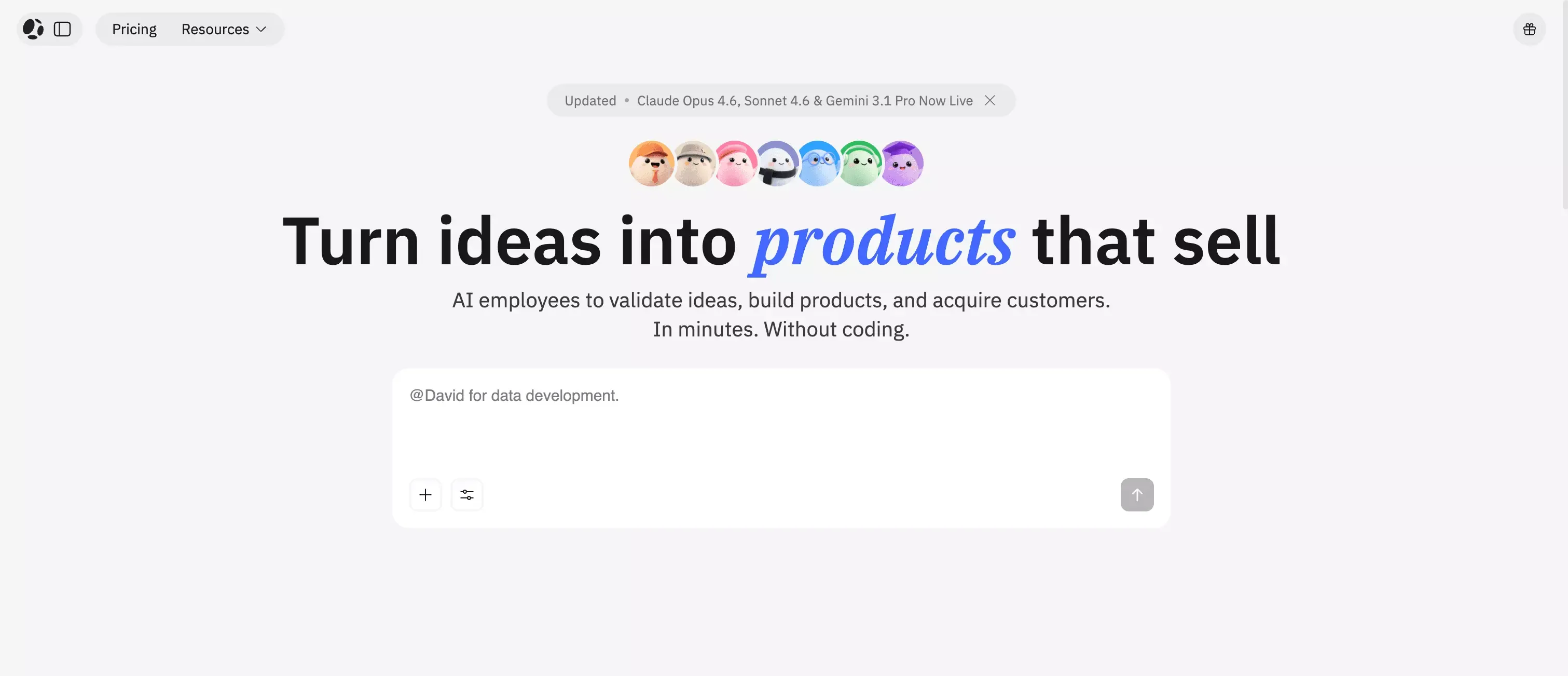 Atoms stands out when the starting point is not a polished product spec but a rough idea.
What I like
- It feels more like an idea-to-launch workflow than a simple UI generator
- It makes sense for people who want to turn a concept into both an app and a website
- It fits founders who care about momentum but do not want to start from a blank page
Where it fits best
- Solo founders
- Small teams validating a SaaS idea
- Builders who want broader execution support, not just screen generation
My take
- Lovable feels like a fast app-building loop
- Atoms feels more like a structured launch workflow
- That makes it a strong alternative for a specific kind of builder
Bolt.new
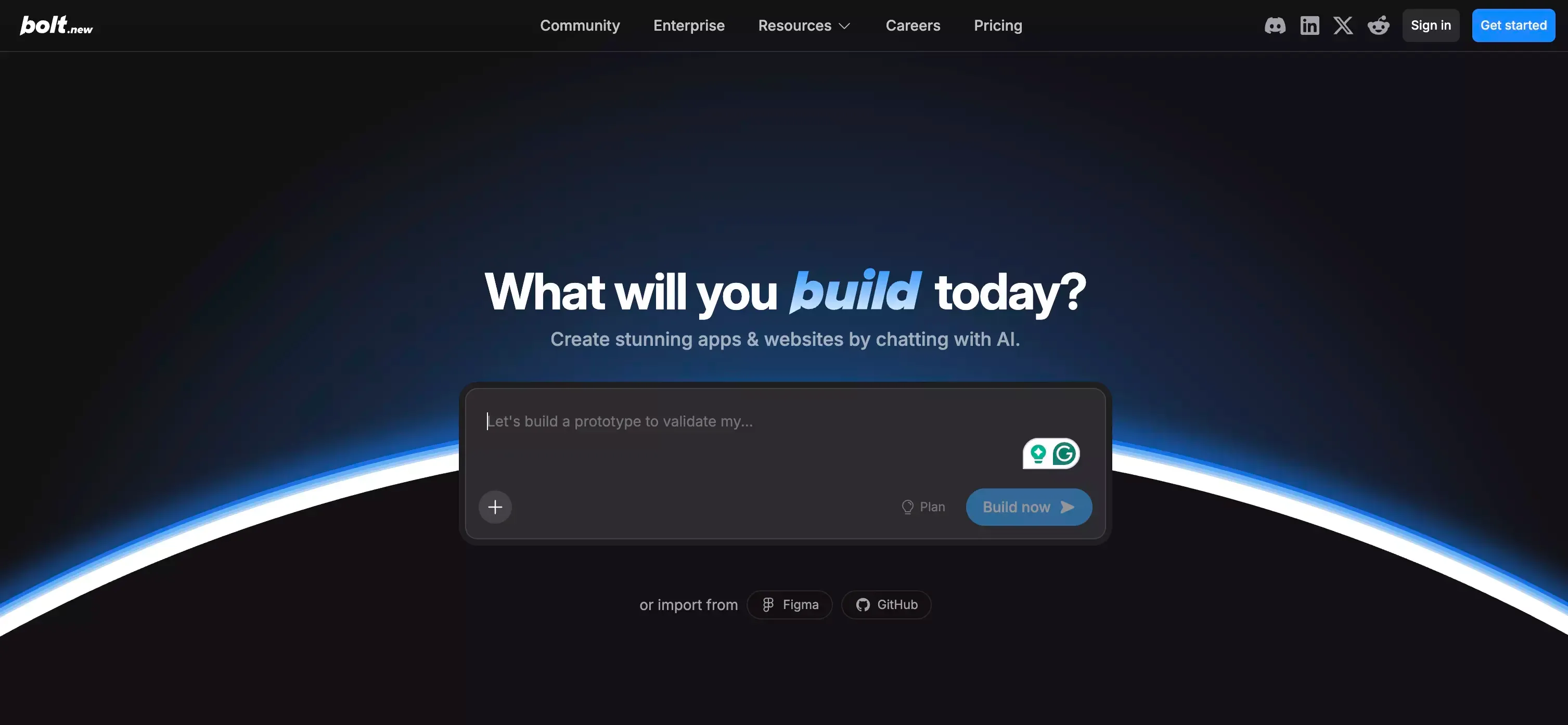 Bolt is one of the fastest tools in this category when you want to build through prompts.
What I like
- Very quick to get started
- Strong momentum in early-stage building
- Good for people who enjoy chat-first workflows
What to watch out for
- Prompt discipline matters a lot
- It is easy to waste time by changing direction too often
- Fast generation can create messy output if your intent is not clear
My take
- Bolt is great when speed matters most
- It rewards clarity
- It becomes frustrating faster than people expect when prompting gets sloppy
Bubble
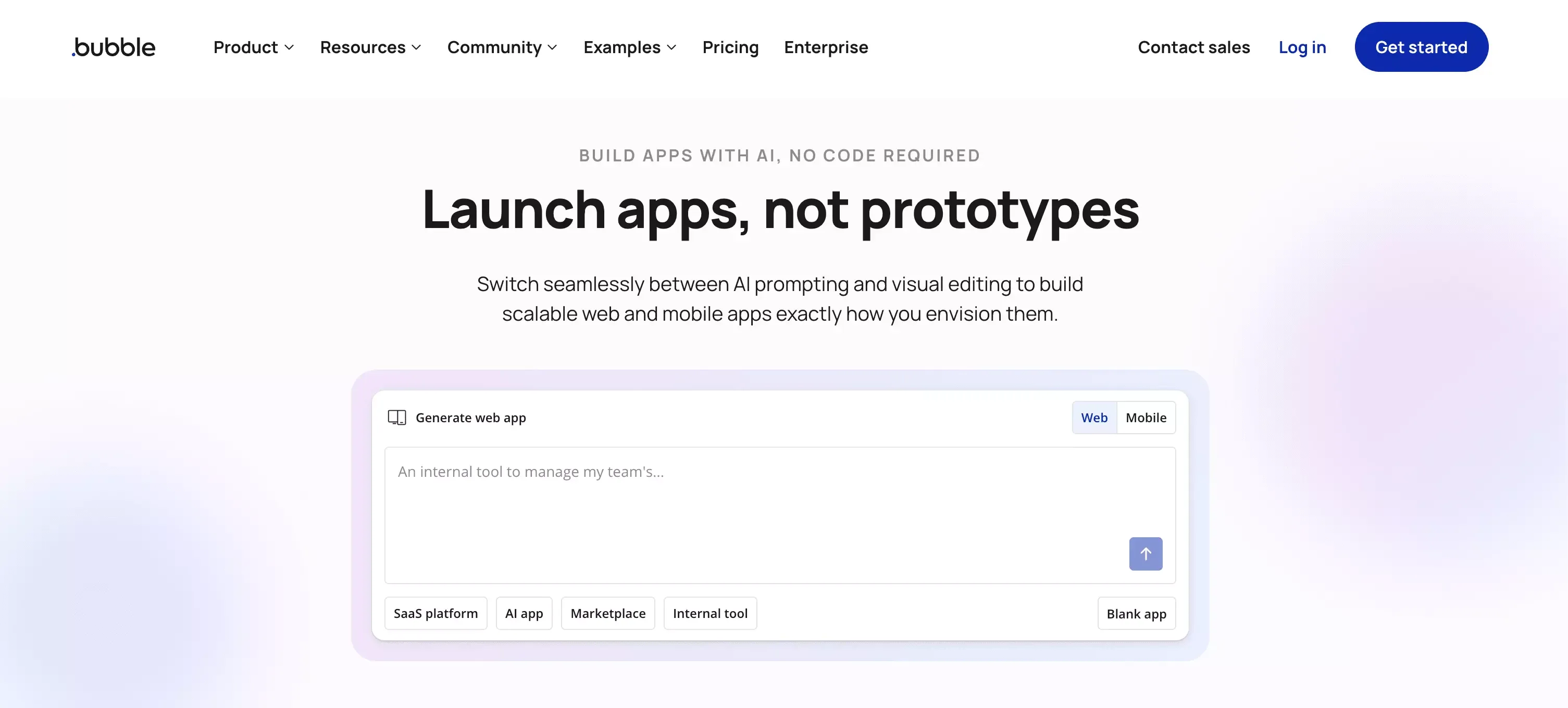 Bubble is still one of the strongest options for people who want to build serious apps without becoming developers.
What I like
- Strong visual editor
- Real depth for app logic and data
- Better suited to business workflows than many lighter tools
What to watch out for
- It has a structured way of thinking about apps
- Some people love that structure
- Others eventually want more freedom or a different model
My take
- For non-technical founders, Bubble remains one of the safest serious options
- It is not the flashiest tool on the list
- It is often one of the most durable once the app starts to matter
Replit
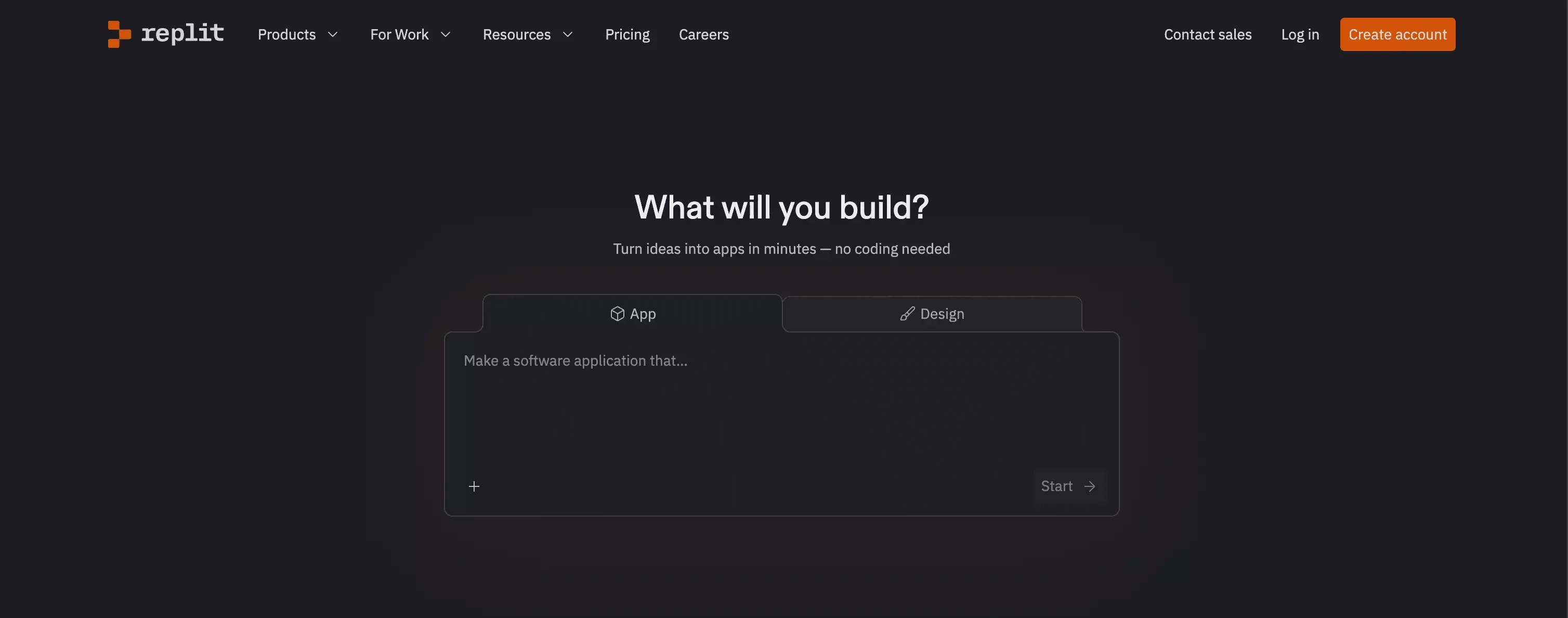 Replit makes more sense for builders who are comfortable staying closer to code.
What I like
- Better fit for technical teams
- Stronger developer-native workflow
- Good when you want AI coding help without losing engineering control
What to watch out for
- Not ideal for users who want a fully visual path
- Less beginner-friendly than tools designed around non-technical builders
My take
- Replit is one of the best Lovable alternatives for code-first iteration
- I would not recommend it first to beginners
- I would recommend it to builders who already think in product and dev cycles
v0 by Vercel
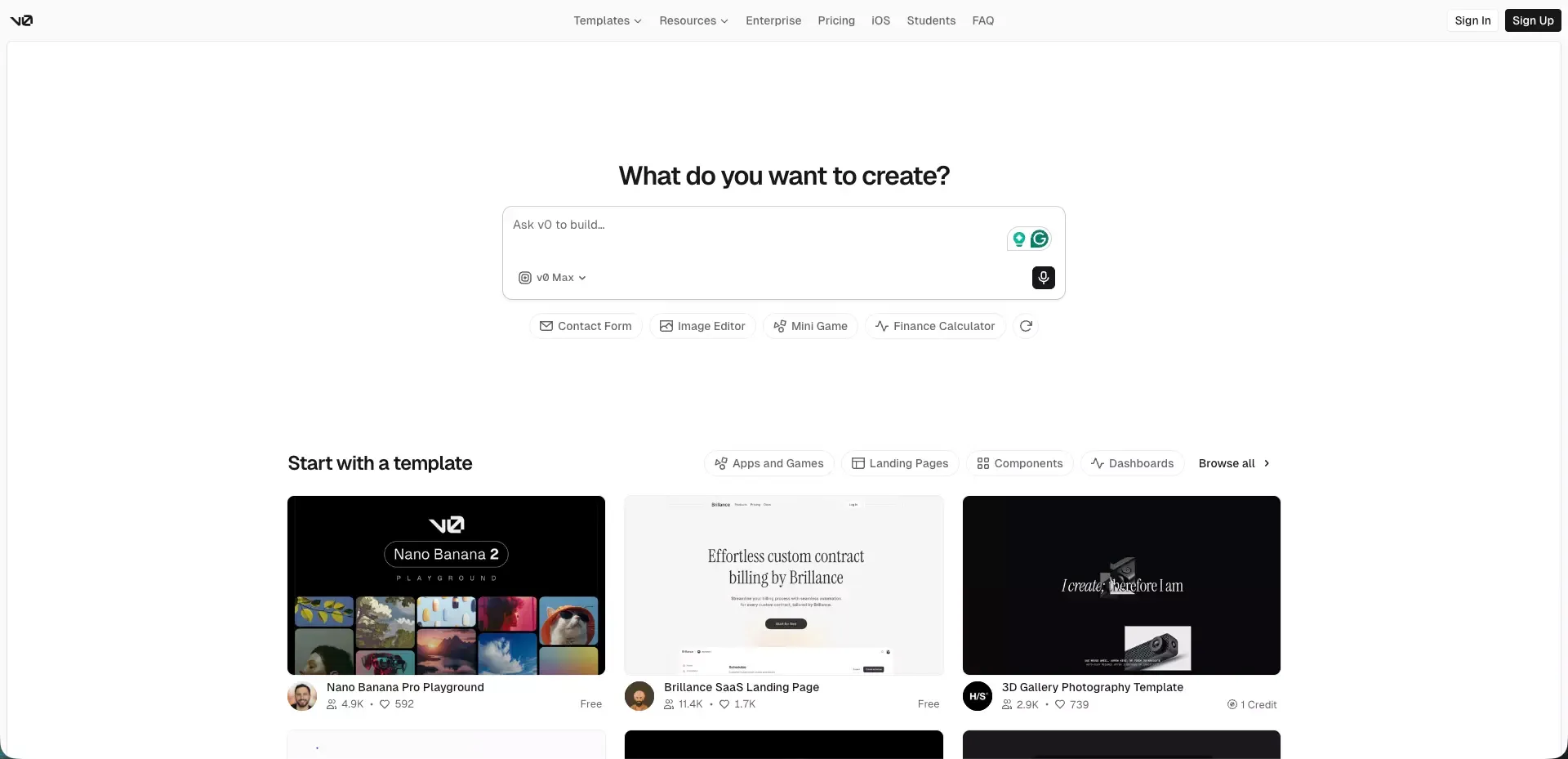 v0 is one of the cleanest tools for frontend-led generation.
What I like
- Strong for frontend scaffolding
- Good fit for component-driven teams
- Comfortable for product teams that already work close to code
What to watch out for
- Less suitable for users who want a pure no-code business app workflow
- Works best when someone on the team has technical fluency
My take
- v0 is strongest when frontend speed matters more than all-in-one simplicity
- It is focused
- That focus is part of why it works well
WeWeb
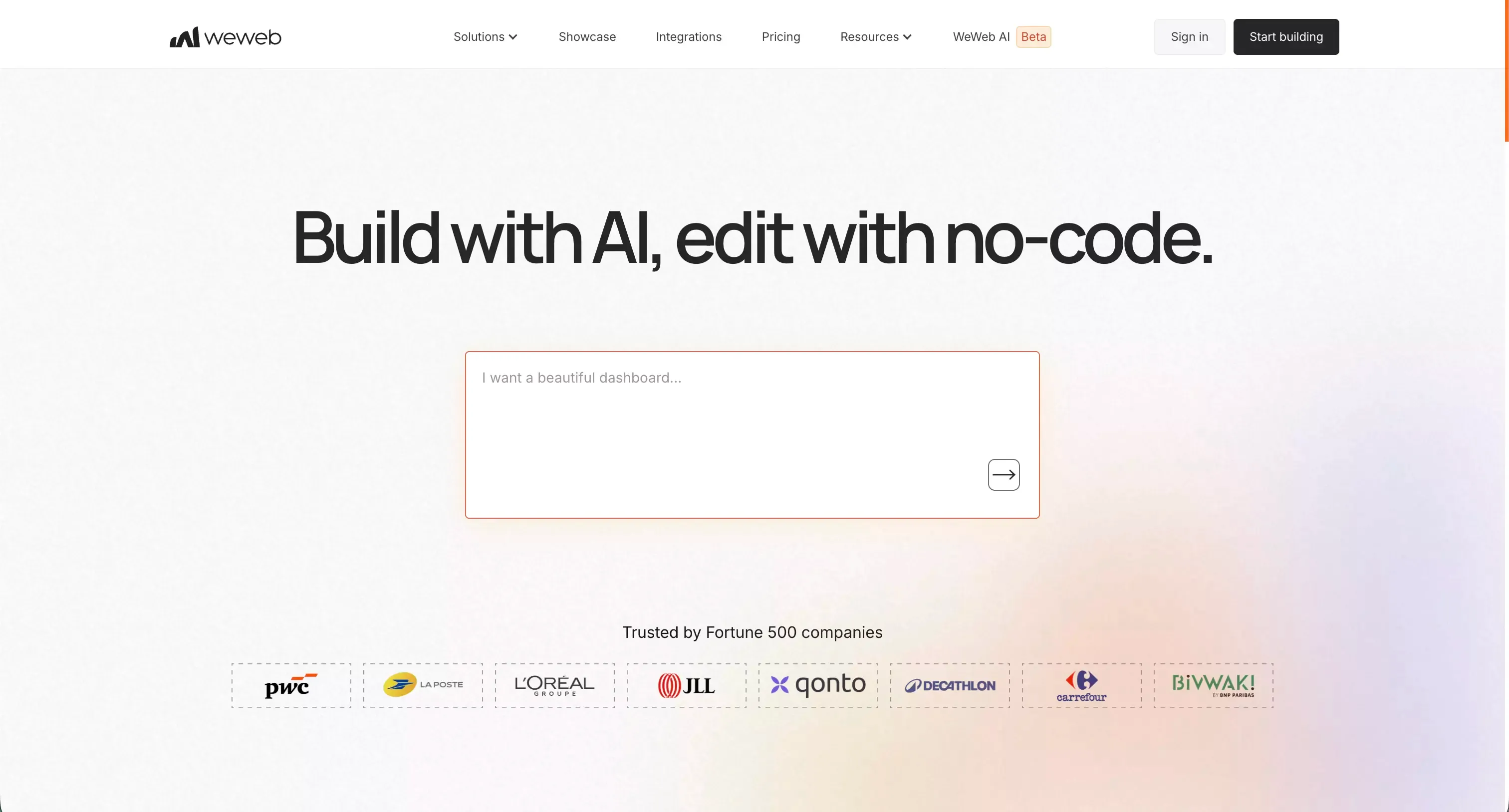 WeWeb sits in a useful middle ground. It gives you visual building, but it also feels more mature in how it handles long-term flexibility.
What I like
- Better balance between visual control and ownership
- Stronger fit for teams thinking beyond the first version
- More credible than many AI-first tools when maintainability matters
What to watch out for
- Slightly less instant than tools optimized for prompt speed alone
- Better for deliberate builders than impatient ones
My take
- WeWeb solves a more mature problem
- It deserves more attention in this space
- I would look closely at it if long-term flexibility matters
Softr
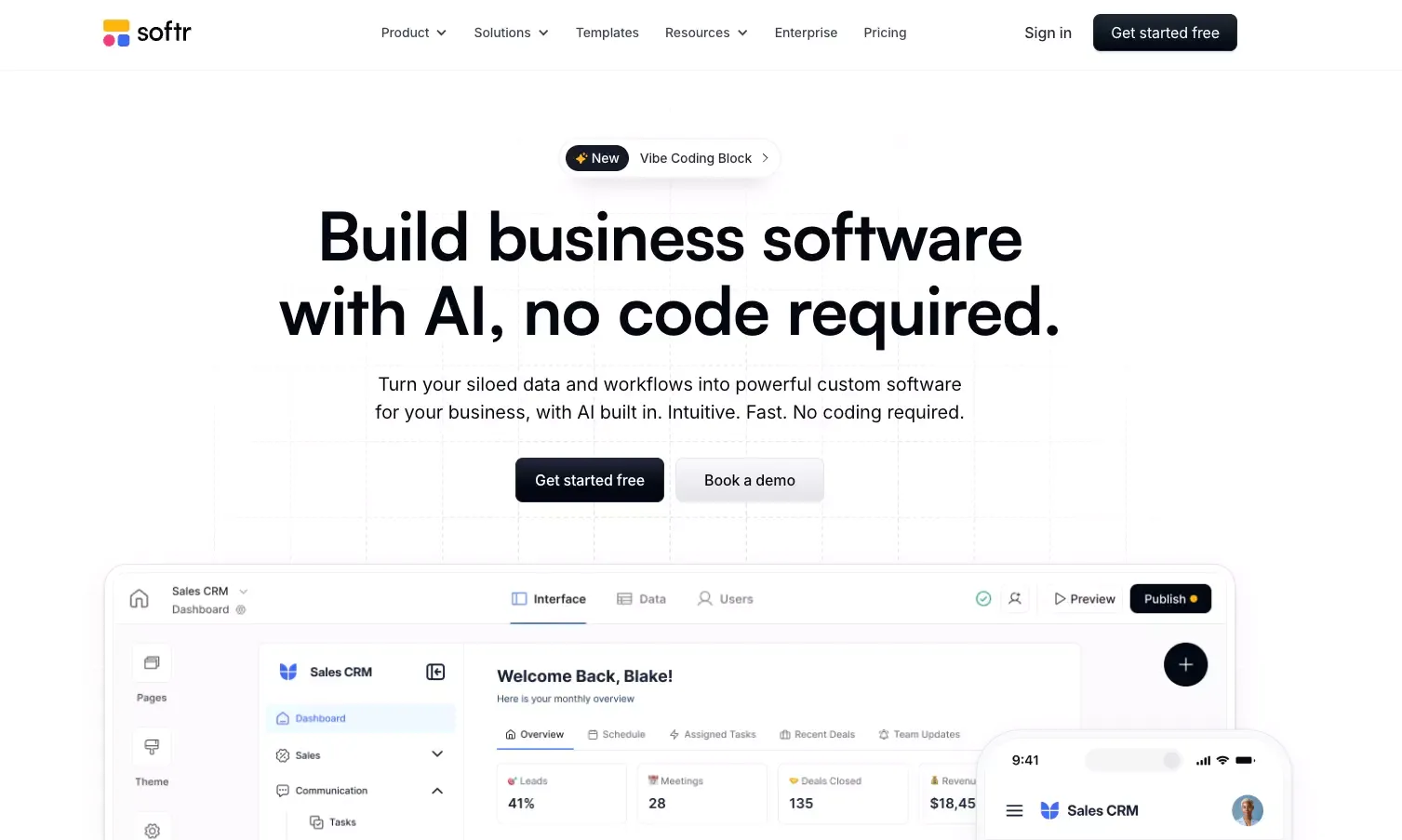 Softr is very clear about what it wants to be, and that clarity is a real advantage.
What I like
- Easy to understand
- Fast to launch
- Strong fit for business users and internal teams
What to watch out for
- Less flexible for highly custom product experiences
- Better for structured workflows than ambitious product experiments
My take
- Softr is one of the easiest recommendations on this list
- It works especially well when the workflow is already clear
- It is less compelling when the product needs to feel highly custom
Webflow
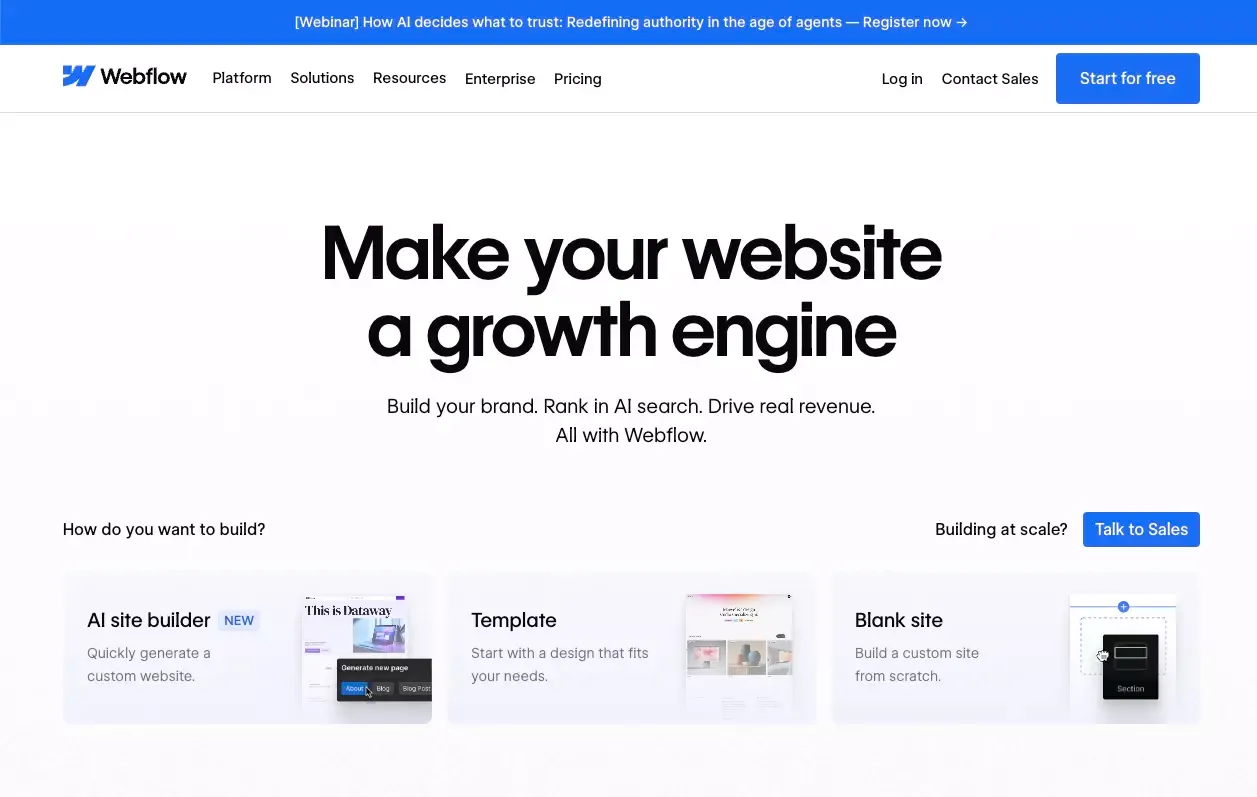 Webflow is no longer just a website builder story, but it still feels website-led first.
What I like
- Excellent for design-led websites
- Strong visual polish
- Good fit when the site is central to the business
What to watch out for
- Less natural as a general-purpose app platform
- Better when the website is the core layer, not a side output
My take
- Webflow is smart to consider if your project starts with the website
- It is less convincing as a universal alternative for every app-building use case
- It shines most in design-heavy website workflows
Where Each Alternative Fits Best
Best for Turning a Rough Brief Into an App and Website
Top pick: Atoms
Why it stands out:
- Strong match for idea-first builders
- Useful when you want more than one output
- Good fit for fast founder-led execution
Best for Browser-Based Full-Stack Coding
Top pick: Replit
Why it stands out:
- Better developer-native feel
- Stronger for teams that think in code and shipping cycles
- Cleaner fit for technical ownership
Best for Visual App Building Without Code
Top pick: Bubble
Why it stands out:
- Serious no-code depth
- Strong balance of power and usability
- Better than many newer tools once business logic becomes real
Best for Frontend Generation and UI Scaffolding
Top pick: v0 Runner-up: Bolt.new
Why they stand out:
- v0 is cleaner for component and frontend workflows
- Bolt is excellent for fast, chat-first creation
Best for Internal Tools, Dashboards, and Portals
| Tool | Best When | Why |
|---|---|---|
| Softr | You want speed and simplicity | Easier for operations teams and structured internal workflows |
| WeWeb | You want more control and flexibility | Better for teams that care about long-term customization |
How to Choose the Right Lovable Alternative
If You Are a Solo Founder
At this stage, momentum matters most.
Best options
- Atoms if you want a broader idea-to-launch workflow
- Bolt if you want speed through prompting
- Lovable if you already like the chat-based app loop
What matters most
- Speed to feedback
- Low setup friction
- Clear path from idea to something testable
If You Are a Non-Technical Operator
Choose the platform you will still understand a month later.
Best options
- Bubble for serious no-code apps
- Softr for portals, dashboards, and internal tools
What matters most
- Clear visual control
- Simple editing
- Less dependence on endless prompt tuning
If You Already Have Developers on the Team
Do not optimize only for demo speed. Optimize for ownership and handoff.
Best options
- Replit
- v0
- WeWeb
What matters most
- Cleaner transition from AI output to production work
- Better fit for code-aware workflows
- Less rebuilding later
If Long-Term Maintainability Matters More Than Demo Speed
The first version is not the real test. The real test is whether the workflow still makes sense as the app becomes more complex.
Best options to examine more closely
- WeWeb
- Replit
- v0
- Lovable, if its workflow already fits how your team wants to operate
What matters most
- Editability
- Ownership
- Flexibility
- Team collaboration
Final Verdict
There is no universal best Lovable alternative. There are simply better fits for different kinds of builders.
| Category | Best Pick | Why |
|---|---|---|
| Quick visual prototyping | Bolt.new | Fast, exciting, and highly effective when prompts are clear |
| Code-first iteration | Replit | Best fit for technical teams that want AI speed without losing real dev workflow |
| Structured idea-to-product workflows | Atoms | Strong fit for founders moving from rough concept to launchable build |
| Serious no-code app building | Bubble | Mature, capable, and still one of the strongest options for non-technical builders |
| Internal tools and portals | Softr | Clear, efficient, and easy to deploy for operational use cases |
If I had to reduce this article to one insight, it would be this:
- The best Lovable alternative is not the one that generates the most impressive first screen
- It is the one whose workflow still feels right once the novelty wears off
Frequently asked questions
01What Is the Best Lovable Alternative for Beginners?
For most beginners, I would start with:
- Bubble, if the goal is a serious app without traditional coding
- Softr, if the goal is an internal tool, portal, or dashboard
02Which Lovable Alternative Gives the Most Control Over Code?
The strongest options here are:
- Replit
- v0
- WeWeb
These tools make more sense for builders who care about ownership, editing, and long-term flexibility.
03Which Alternative Is Best for Internal Tools?
The best choices are usually:
- Softr for speed and simplicity
- WeWeb for more flexibility and control
04Can You Outgrow Lovable?
Yes, and that is not a criticism. It simply means the workflow that feels perfect for early speed may not be the same one you want later.
Common reasons teams outgrow tools in this category:
- More complex product logic
- Need for cleaner ownership
- More collaboration across roles
- Greater focus on long-term maintainability
05Which Alternative Is Best if You Need Both a Website and an App?
The strongest options to consider are:
- Atoms, if you want a broader idea-to-build workflow
- Webflow, if the website is the center of gravity and the app layer is secondary
