
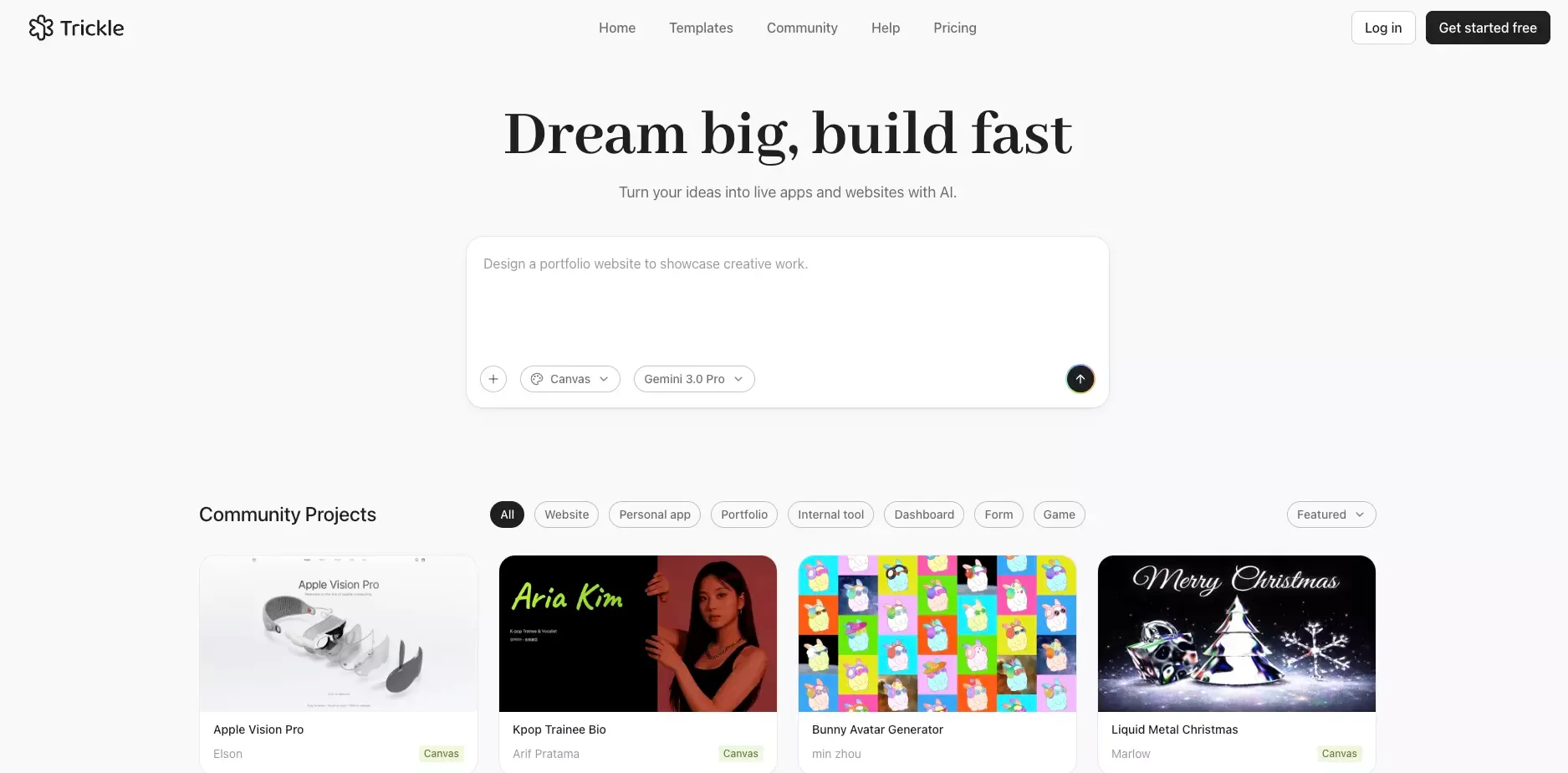
 If you're looking for a Trickle alternative, the main options worth comparing are Atoms, Lovable, Bolt.new, Replit, Base44, Firebase Studio, and Builder.
Some tools are better for fast prototyping. Some are better for full-stack apps. Others are stronger if you care about code ownership, backend flexibility, or long-term scalability.
That is the real filter.
The key question is not just how quickly a tool can generate version one. The harder question is what happens after that. Can it still help when your app needs auth, payments, structured data, integrations, and more complex logic? That is where the real differences start to show.
Atoms
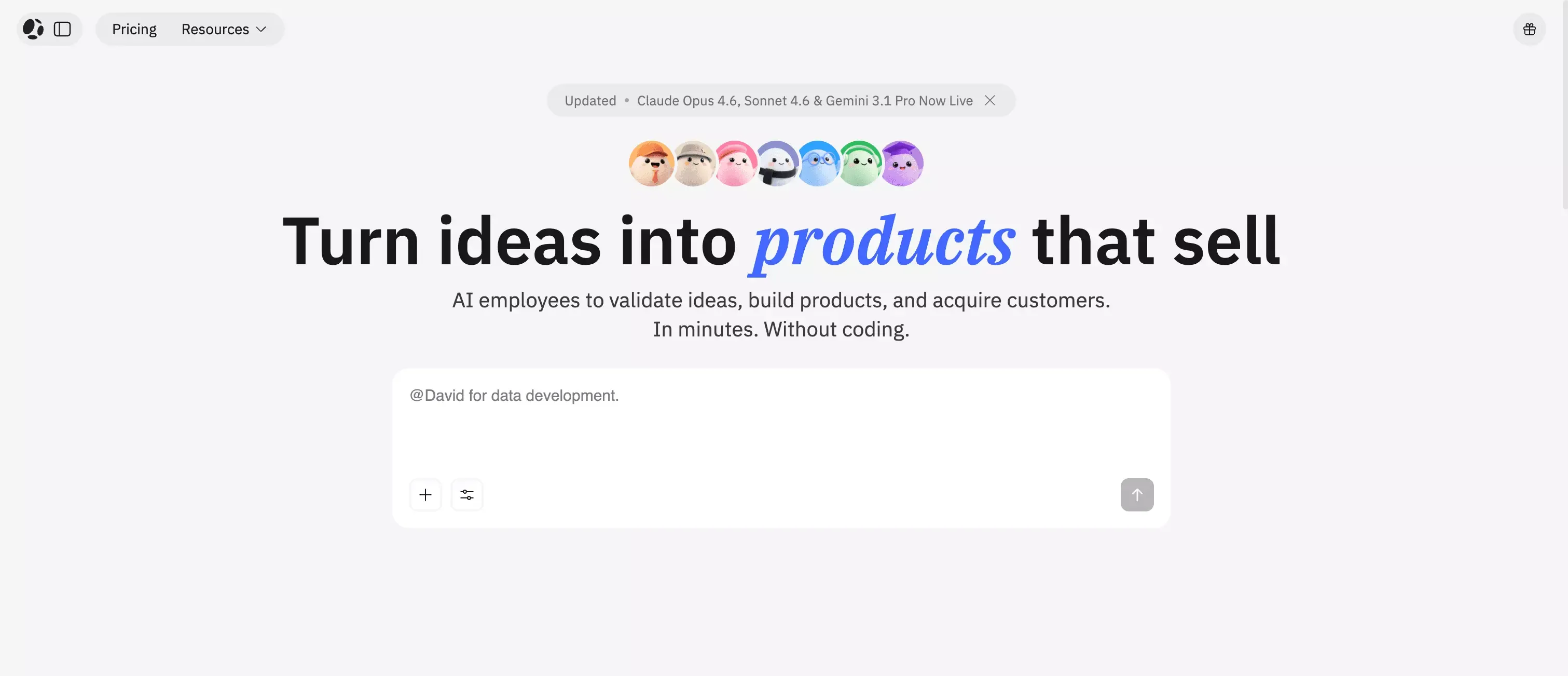
Why I would start with Atoms first
If I were building a shortlist from scratch, I would put Atoms first.
The reason is simple: it feels better suited to people who are trying to build a real product, not just use an AI app builder to generate a quick prototype.
A lot of AI builders look impressive in the first ten minutes. You type a prompt, get a working UI, and feel immediate momentum. That part matters. But it is not the whole story.
What usually matters more is the next phase:
- refining workflows
- improving business logic
- connecting more systems
- reducing edge-case failures
- turning a demo into something people can actually use
That is where lightweight builders often start to feel narrow. Atoms makes more sense when the goal is not only to launch quickly, but to keep moving without hitting an artificial ceiling too early.
Where Atoms is a stronger Trickle alternative
My main reason for ranking Atoms highly is that it fits a broader product workflow.
Trickle is attractive because it compresses a lot into a simple prompt-first experience. That is a real strength. But that same simplicity can become a limit once a project becomes more product-shaped.
Atoms is the better fit when you care about:
- building more than a landing page or lightweight demo
- moving from idea to a usable product workflow with coding agents handling more of the complexity
- reducing the gap between prototype and launchable product
- keeping more depth as complexity increases
That does not mean Trickle is weak. It means the two tools shine at different stages.
Who should choose Atoms
I would look at Atoms first if you are:
- a founder building a serious SaaS product
- a team that wants speed without giving up structure
- someone who knows version three matters more than version one
Possible trade-offs
Atoms will not be the perfect fit for everyone.
In some cases, it may feel like more than you need:
- if you only want a very simple internal tool
- if you are testing a tiny concept with minimal logic
- if your priority is the lightest possible setup
Lovable
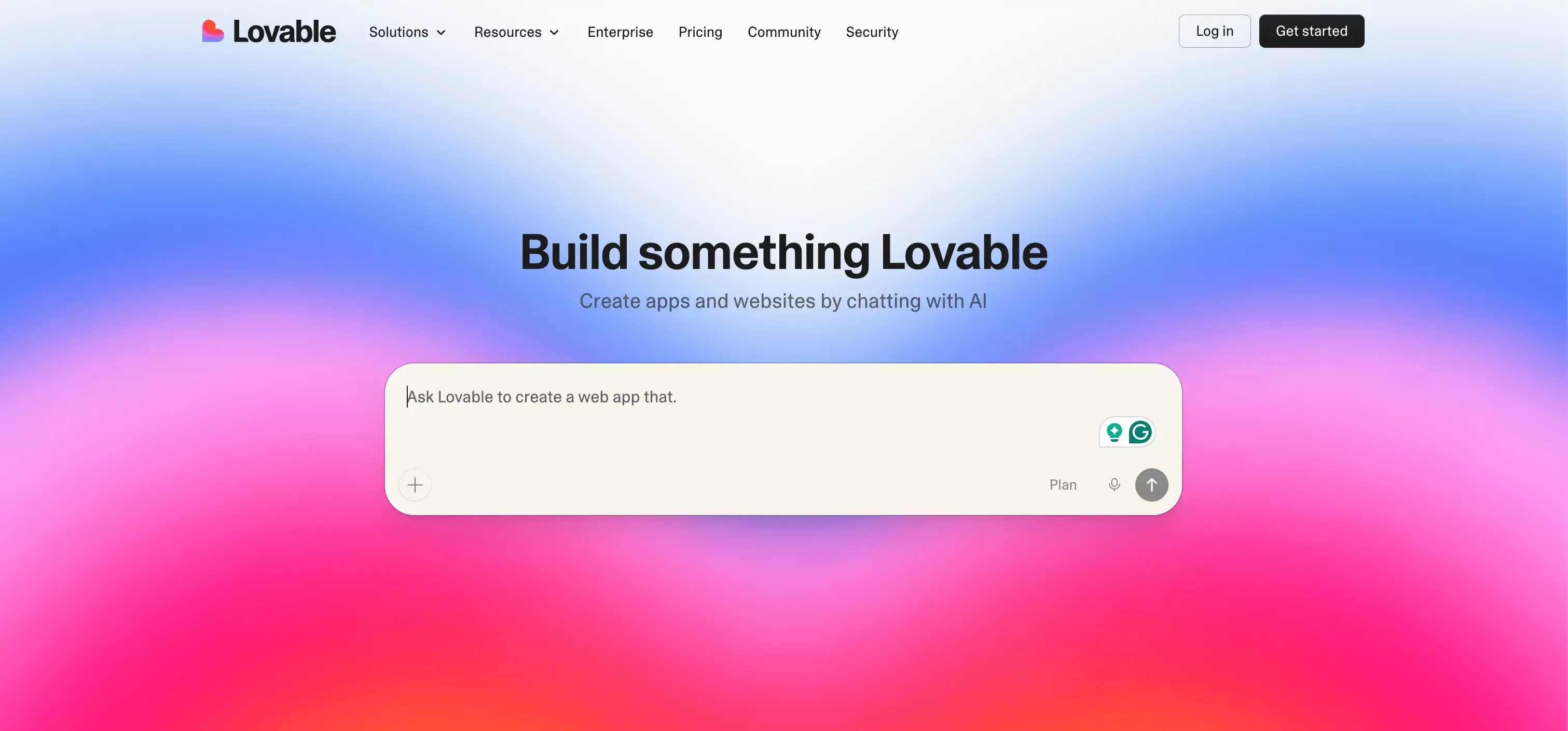
Why Lovable is a strong option
Lovable is one of the closest alternatives to Trickle in spirit.
It is a good fit for people who still want a chat-first, natural-language way to build full-stack apps. That makes it especially appealing to founders, operators, and designers who want fast momentum without starting in a traditional dev environment.
What I like about Lovable
The biggest advantage is its accessibility.
It preserves the emotional appeal that draws people to Trickle in the first place:
- describe what you want in plain language
- get something tangible quickly
- move fast without much setup friction
For many users, that is enough reason to test it first.
Where Lovable feels strongest
Lovable makes the most sense when your goal is:
- validating a product idea quickly
- building an early MVP
- creating a usable interface without deep technical setup
- getting momentum as fast as possible
Where I would be more careful
This is where many prompt-first builders start to diverge.
Once the product becomes less about generating a version and more about evolving a system, the workflow matters much more.
Lovable can start to feel less convincing when you need:
- more nuanced product logic
- deeper backend flexibility
- tighter control over how the system evolves
- better support for longer-term complexity
Bolt.new
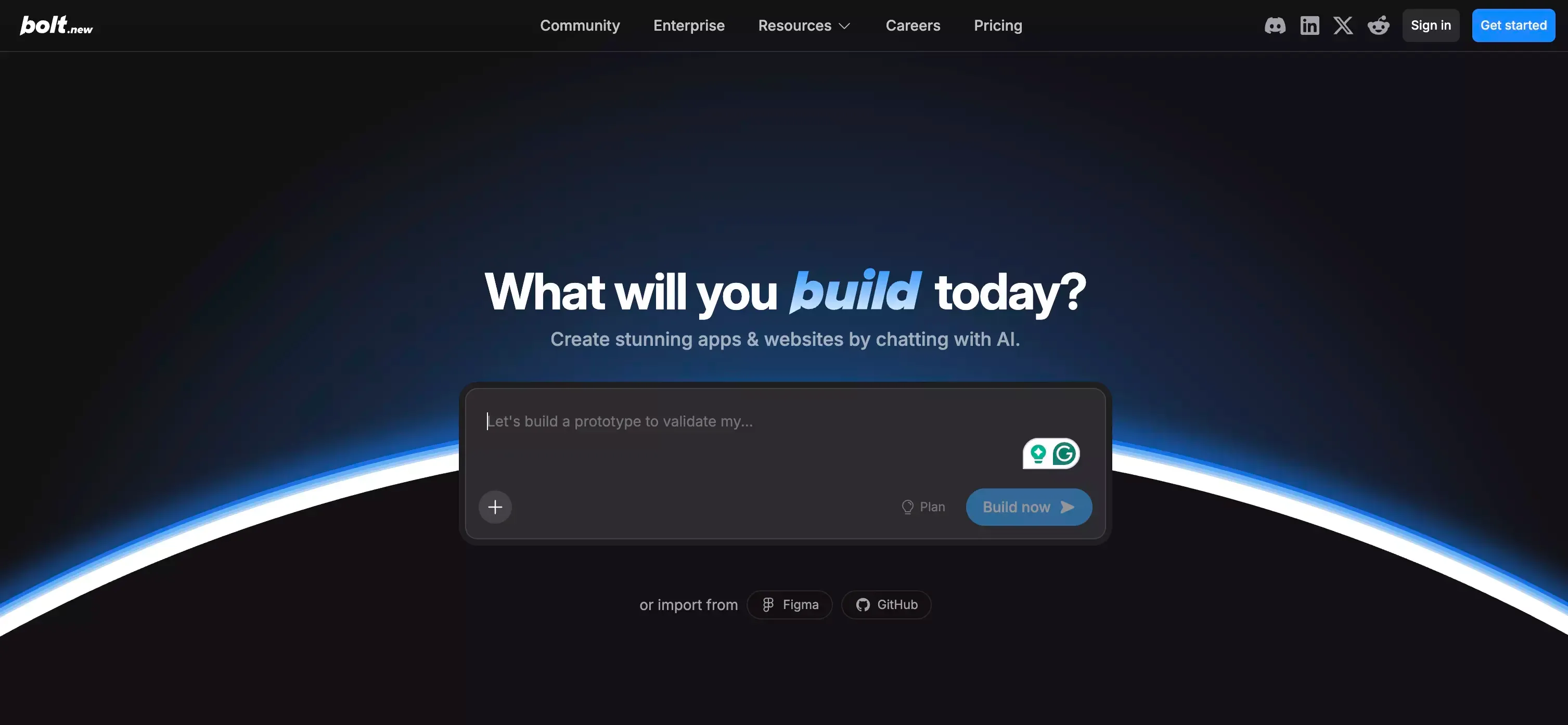
Why Bolt is worth considering
Bolt is a strong middle-ground option.
It gives you more flexibility than many lightweight builders, but it still feels much faster and more conversational than a traditional development workflow.
That combination matters.
Where Bolt.new stands out
What I like about Bolt.new is the balance. It works well for users who want AI speed, but do not want to give up too much control.
It is especially useful for:
- builders who are comfortable reviewing generated output
- people who want faster iteration in a code-friendly environment
- teams that need more flexibility than simple no-code tools usually offer
Where Bolt.new may not fit everyone
Bolt.new is not the easiest option for every user.
It works best when you can actively guide the build. That means it is less ideal if you want the most guided or beginner-friendly experience.
I would be more cautious if you are:
- fully non-technical
- uncomfortable reviewing implementation details
- looking for the most hand-held workflow possible
Replit
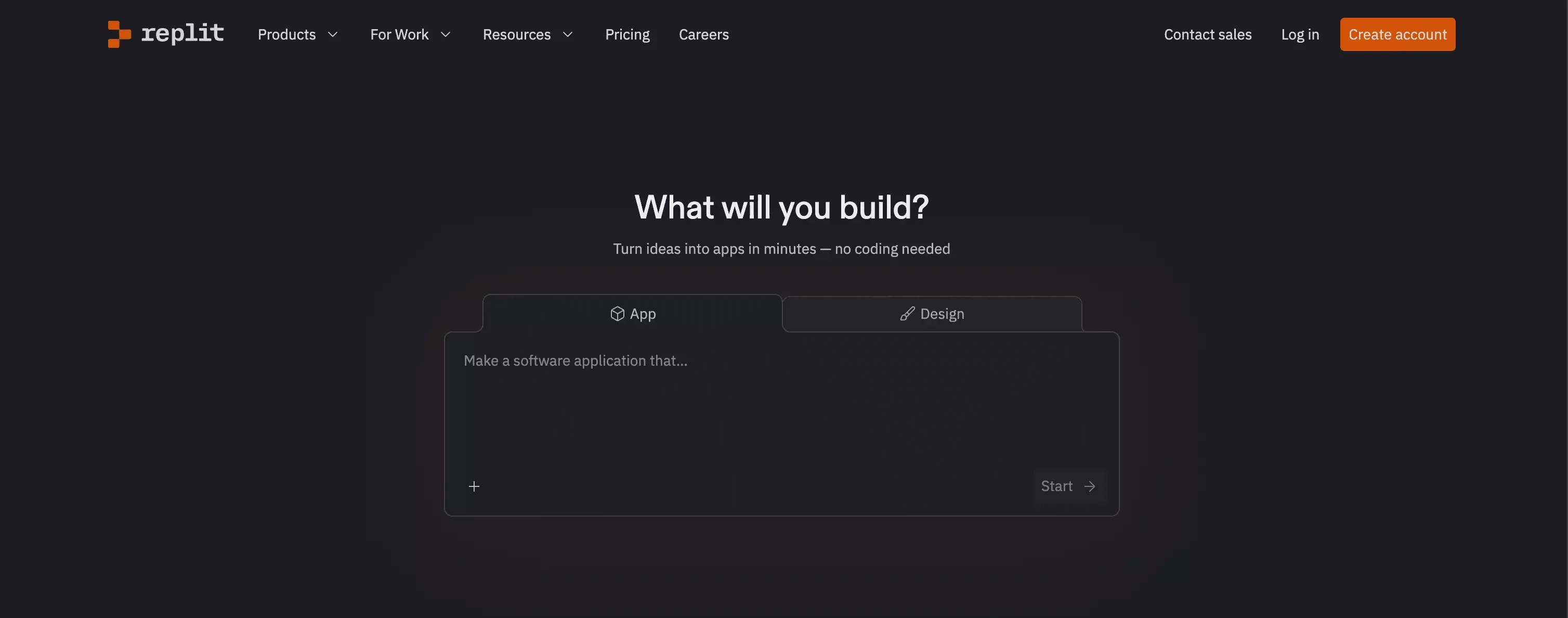
Why Replit belongs on this list
Replit sits in a different position from tools like Trickle and Lovable.
What makes it compelling is not only AI generation. It is the path from AI assistance into a more explicit development workflow.
That makes it attractive for technical founders, indie hackers, and product teams with at least some engineering comfort.
Where Replit is stronger than Trickle
I would rank Replit ahead of Trickle when the user cares more about control and long-term extensibility.
Its biggest strengths are:
- stronger developer control
- better fit for custom backend logic
- easier extension beyond template-style builds
- smoother path from AI-generated output into real development work
Where Replit is weaker for some users
The trade-off is obvious. Replit asks for more fluency.
Even though the interface is accessible, the mental model is still closer to software development than to pure no-code creation.
That can be a positive or a negative depending on who you are.
Best fit for
Replit makes the most sense for:
- developers
- technical founders
- teams that want direct access to code
- builders who care about long-term flexibility
Base44
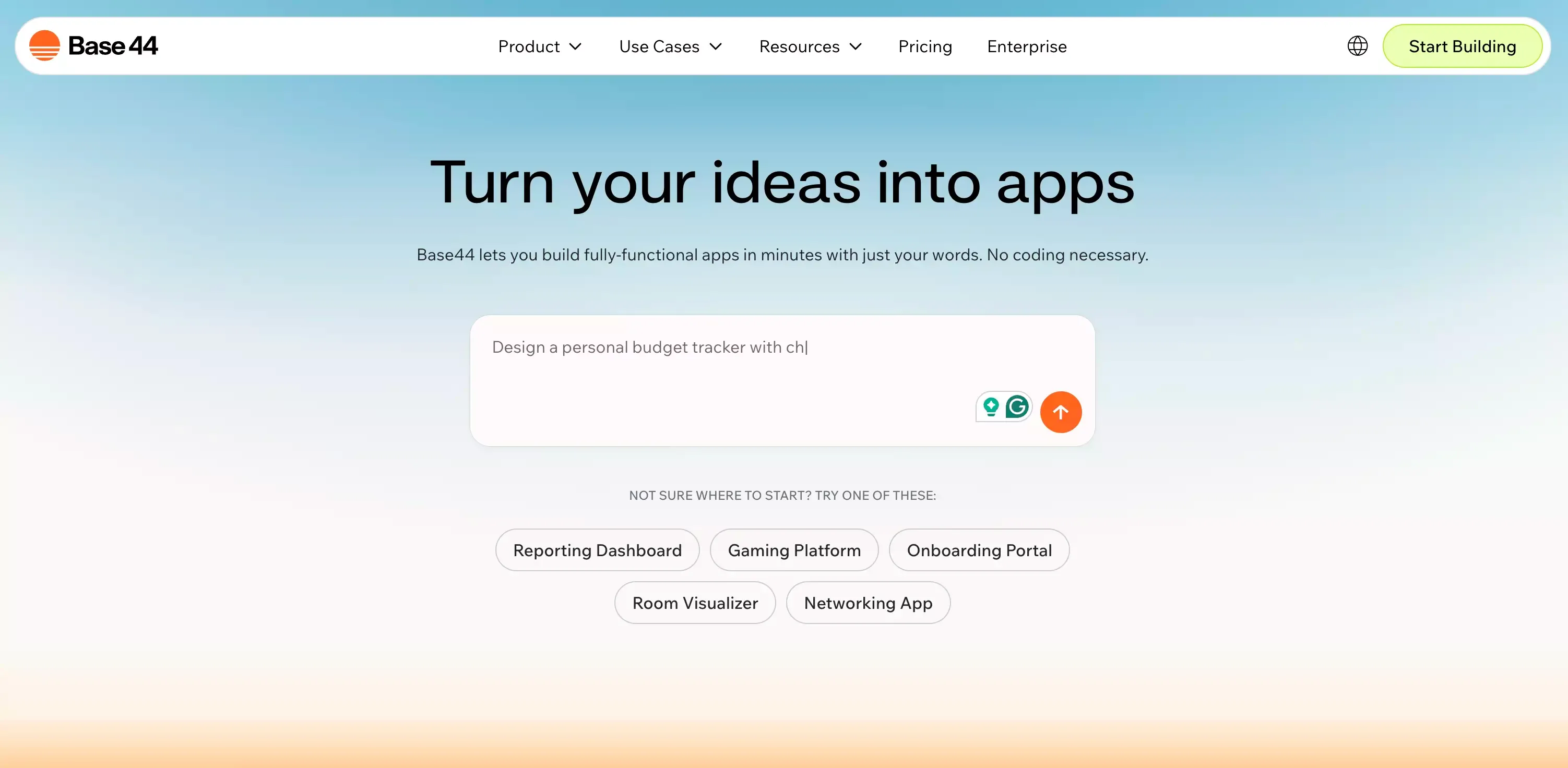
Why Base44 is worth shortlisting
Base44 is easy to overlook, but that would be a mistake.
It has a very practical profile. If your goal is to build a useful internal app, workflow tool, or operational product without stitching together too many separate services, it deserves attention.
Where Base44 feels appealing
Its appeal is fairly straightforward.
It is a good choice for:
- fast app creation
- lightweight business tools
- smaller internal products
- operational workflows that do not need huge complexity
What I think Base44 does well
Base44 is attractive when you want:
- simple setup
- fast time to first version
- lower complexity for narrow use cases
- built-in functionality without too much assembly
Where I would be cautious
I would be more careful if the product is ambitious.
Tools that feel refreshingly compact for smaller builds can become more limiting when the app becomes:
- highly custom
- more differentiated
- more dependent on nuanced logic
- more demanding over time
Firebase Studio

Why Firebase Studio matters in this comparison
Firebase Studio is not the most obvious Trickle alternative for beginners, but it is one of the most important options for serious builders.
It changes the conversation.
Instead of asking, "Can I generate something quickly?" it pushes you to ask, "Can I build this on a stack that has real backend depth?"
Where Firebase Studio is strongest
I would rank Firebase Studio highly for teams that already know they need:
- stronger backend services
- data-heavy workflows
- cloud integrations
- room to scale
- a more production-oriented foundation
Where it becomes harder to adopt
The trade-off is accessibility.
A stronger backend foundation usually comes with more complexity. Firebase Studio is not the tool I would put in front of a beginner who just wants the simplest possible start.
It makes more sense for:
- growth-minded teams
- technical or semi-technical builders
- products expected to become more complex over time
Builder
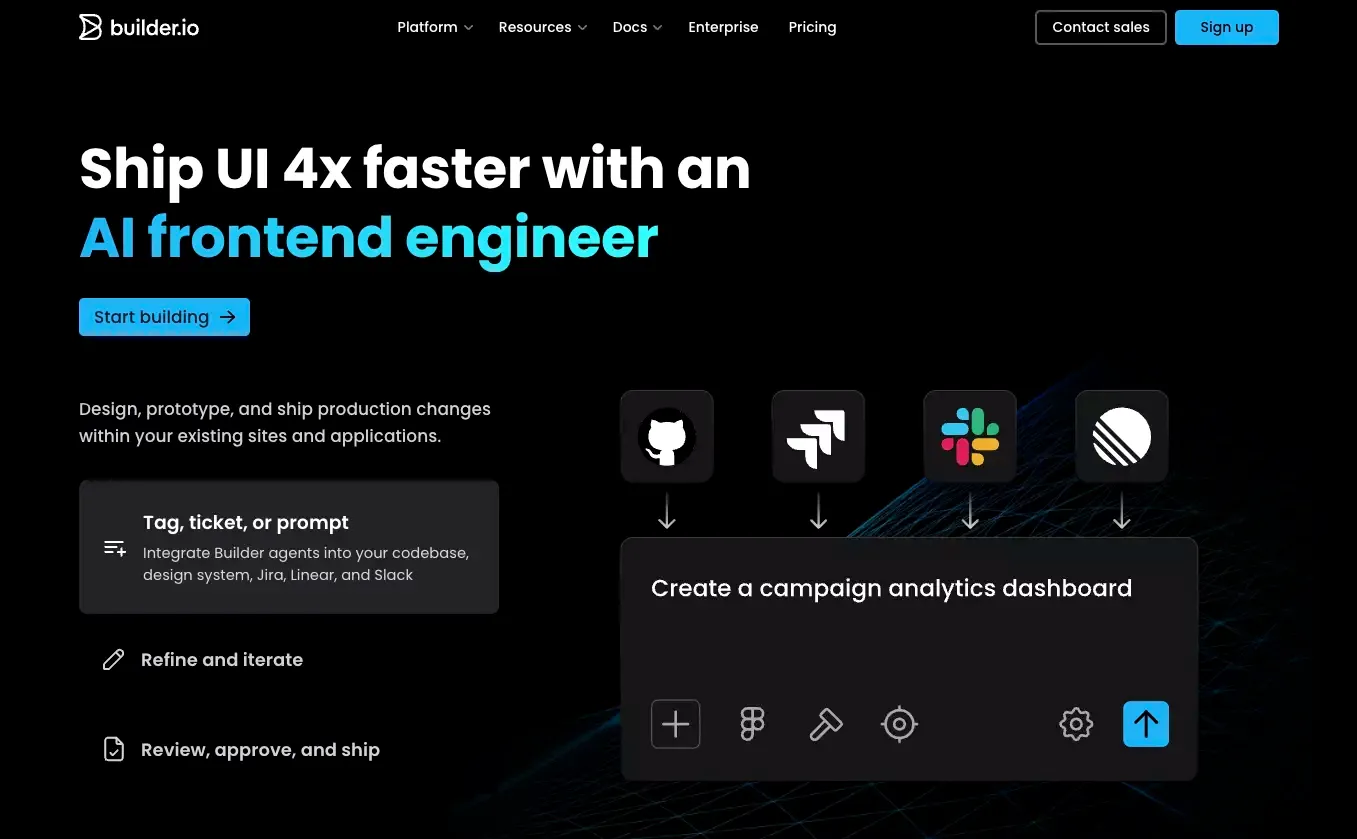
Why Builder is on this list
Builder is a different kind of alternative.
It is not the closest match if your only goal is prompt-to-app generation. But that is exactly why it deserves a spot here. Some teams think they need an app builder when what they really need is a faster front-end system.
Where Builder is strongest
Builder is the better choice when the real bottleneck is:
- front-end publishing
- visual page editing
- composable content workflows
- rapid layout iteration
- content-heavy site building
When Builder makes more sense than Trickle
I would consider Builder first if your priority is not app logic, but presentation and front-end speed.
That is especially true for:
- marketing teams
- content teams
- product teams managing visual experiences
- organizations that already have code components and need faster editing
Its main limitation in this comparison
I would not treat Builder as a pure one-to-one Trickle replacement.
It belongs here because it can be the smarter answer for certain teams. But it is more front-end oriented than product-platform oriented.
Quick Comparison Table
| Tool | Best for | Main strength | Main trade-off |
|---|---|---|---|
| Atoms | Product-minded founders and teams | Better fit for building a real product workflow | May be more than you need for very small projects |
| Lovable | Non-technical users who want fast full-stack generation | Highly approachable, chat-first workflow | Can feel less convincing as app complexity grows |
| Bolt.new | Builders who want speed plus more control | Good balance between AI speed and flexibility | Works better if you can actively guide the build |
| Replit | Technical founders and developer-led teams | Strong bridge from AI generation to real development | Higher learning curve |
| Base44 | Lightweight business apps and internal tools | Practical, compact, and fast for smaller workflows | Less ideal for ambitious custom products |
| Firebase Studio | Backend-heavy, growth-minded apps | Stronger production-oriented backend foundation | Less beginner-friendly |
| Builder | Visual teams and front-end workflows | Excellent for visual editing and composable content | Not a direct full app-builder replacement in every case |
What Trickle Still Gets Right
Before I overstate the case for alternatives, it is worth being fair to Trickle.
Trickle is attractive for a reason. It lowers setup overhead, keeps the experience unified, and makes it easier for non-technical users to get started fast.
That is a real advantage.
I can easily see why a founder would pick it first. Starting matters. A lot. Especially when the hardest part is simply getting from idea to something visible.
Why people still choose Trickle
Trickle still makes sense if you want:
- a lightweight builder
- a more guided experience
- fast movement from prompt to interface
- a simpler way to test an idea
The appeal of vibe coding — going from a plain-language description to something tangible — is real, and Trickle captures that feeling well.
Where the search for alternatives usually begins
Most users do not leave a tool because it failed at the demo stage.
They start looking elsewhere when the app needs to become more reliable, more structured, and more scalable.
That is the shift.
The problem stops being "How do I start?" and becomes "How do I keep building without fighting the tool?"
Which Trickle Alternative I Would Choose by Use Case
Best for non-technical founders
I would start with:
- Atoms
- Lovable
These make the most sense when you want a fast path from idea to usable output without immediately dropping into a developer-first workflow.
Best for fast MVP creation
My shortlist would be:
- Lovable
- Bolt
- Base44
Each of these can help you move quickly, but for different reasons. If you want to go further and turn that MVP into a polished page, an AI prototype generator workflow can also bridge the gap between early concept and launchable product.
| Tool | Why I would choose it for MVP work |
|---|---|
| Lovable | Best if you want a highly approachable prompt-first experience |
| Bolt.new | Best if you want speed and more technical flexibility |
| Base44 | Best if you want a compact tool for smaller business workflows |
Best for more control and customization
I would look hardest at:
- Bolt
- Replit
These are the stronger options when your instinct is:
- I want AI help
- but I do not want to be boxed in
- and I want more room to shape the build directly
If you are weighing your options beyond just these two, it is also worth reading about Replit alternatives to understand where other tools fit.
Best for backend-heavy products
I would choose:
- Firebase Studio
This is the most sensible option if backend structure matters early and you already know your product will depend on:
- structured services
- APIs
- more serious data flows
- deeper cloud integration
Best for visual publishing and front-end workflows
I would choose:
- Builder
That is the right answer when the real problem is not general app generation, but front-end velocity and visual content control.
Trickle vs Atoms
My honest take
If the decision is specifically Trickle vs Atoms, my view is fairly simple.
Choose Trickle if you want:
- a lighter and more guided experience
- a faster-feeling starting point
- a tool that reduces the friction of getting something live
Choose Atoms if you want:
- a stronger path toward a real product
- more depth as the app evolves
- a workflow that makes more sense beyond the first version
- less risk of outgrowing the platform too early
The practical difference
This is how I would summarize it:
| Tool | Best at |
|---|---|
| Trickle | Getting started quickly with a lightweight, guided workflow |
| Atoms | Building something that feels more product-ready as complexity grows |
Trickle is easier to like immediately.
Atoms is easier to justify when the app starts behaving like a business.
Final Verdict
If I had to narrow this list down, I would keep these four at the front:
- Atoms for product-minded builders who need more depth
- Lovable for approachable full-stack generation
- Bolt.new for speed plus flexibility
- Replit for AI-assisted building with stronger development leverage
After that:
- Base44 is a practical choice for smaller business apps
- Firebase Studio is the stronger backend-heavy option
- Builder is the right pick when the real need is front-end control, not general app generation
The deeper insight is simple.
People rarely leave a tool because it failed at the demo. They leave because the product outgrew the workflow.
That is why the best Trickle alternative is not always the one that looks the most similar. It is the one that matches the stage your project is actually entering.
FAQ
What is the best Trickle alternative for beginners?
For most beginners, I would start with:
- Atoms
- Lovable
Both are easier entry points than tools that lean more heavily into a traditional development workflow. If you are also evaluating the broader landscape, reviewing Lovable alternatives can help you map the full range of options in this category.
Which Trickle alternative gives me more control?
The two I would look at first are:
- Bolt.new
- Replit
They make more sense when you want AI assistance but still want stronger control over the build.
Which option is best for backend-heavy apps?
I would choose Firebase Studio when backend structure matters early.
It is the strongest option here for products that need:
- deeper backend services
- structured data workflows
- stronger scalability foundations
Is Builder really a Trickle alternative?
Sometimes yes, sometimes no.
It is not the closest match if your only goal is prompt-to-app generation. But it absolutely belongs in the conversation if your real need is:
- visual editing
- composable front-end workflows
- faster publishing with code components already in place
Is Trickle still worth using?
Yes.
It still makes sense if your priority is:
- starting quickly
- using a unified prompt-first workflow
- getting an idea off the ground with less setup friction
The real question is not whether Trickle is useful.
The real question is whether it still fits once your app becomes more complex.
 Posts
Posts 