 Maya Chen
On this page
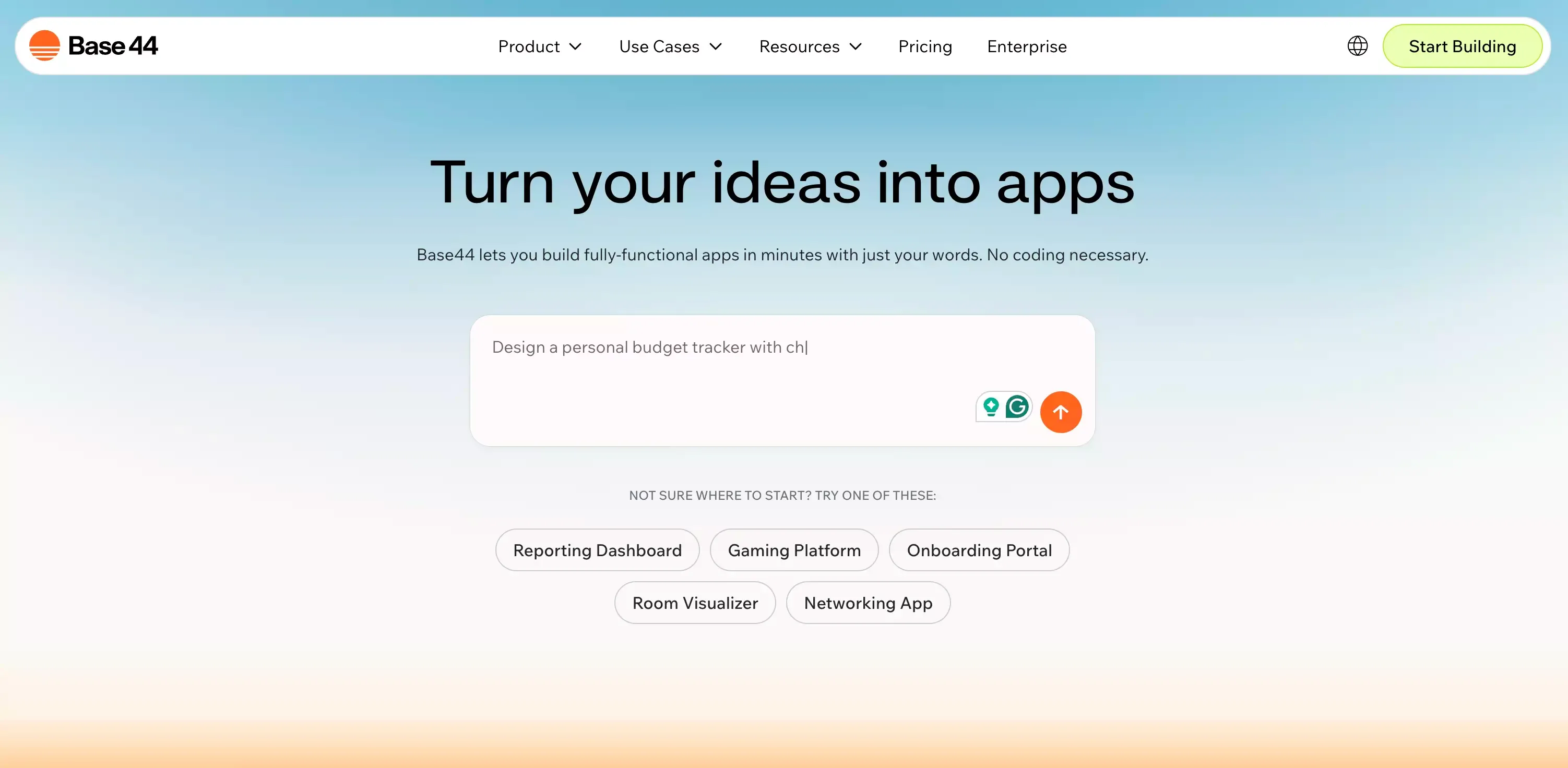 If you are looking for a Base44 alternative, you probably are not trying to replace it just for the sake of it. More likely, you have reached the point where “build me an app from a prompt” is no longer enough.
If you want the baseline first, it also helps to read a full Base44 review before comparing the alternatives.
That is the real shift.
At the start, speed is everything. You want to test an idea, launch something usable, and avoid spending weeks wiring up the stack. Base44 fits that phase well. But once you care about code ownership, developer workflow, internal-tool governance, frontend quality, or production readiness, the decision changes.
You are no longer choosing between good tools and bad tools. You are choosing between different ways of building software.
That is why many Base44 alternative articles feel shallow. They list tools that look similar on the surface, even when they solve very different problems underneath.
In this guide, I take a more practical approach. Instead of asking which tool is “best” in the abstract, I look at which one makes the most sense depending on what you want to build next.
Why People Start Looking for a Base44 Alternative
Where Base44 works well
Base44 is appealing for a simple reason: it shortens the distance between idea and working product.
It works especially well when you want to:
- build a quick MVP
- validate an idea without a full engineering setup
- create a simple internal app fast
- avoid spending time on infrastructure early on
- stay in a prompt-first workflow instead of a traditional coding workflow
For non-technical founders, solo builders, and small teams moving under time pressure, that is a real advantage.
Where Base44 starts to feel limiting
The friction usually starts later, not earlier.
Common reasons people begin looking for alternatives include:
- needing more control over the codebase
- wanting a cleaner developer workflow
- caring more about maintainability over time
- needing deeper integrations or backend flexibility
- building something that has to scale beyond an MVP
- wanting better support for internal tools or business systems
- prioritizing frontend polish and custom UX
This is where the category splits.
Some alternatives are still prompt-first builders. Others are AI coding environments. Others are specialized platforms for internal apps. They can all look like competitors in a list, but they are not solving the same problem in the same way.
How I Evaluated the Best Base44 Alternatives
I used five practical criteria.
1. Speed from idea to working product
A good Base44 alternative should help you move quickly.
That can mean:
- natural-language app generation
- built-in auth or database support
- browser-based development
- hosting and deployment built into the flow
- less setup before the first usable version
2. Code quality and editability
Shipping fast is great. Living with the result is the harder part.
I looked at whether the tool gives you:
- meaningful access to the code
- room for customization
- a workflow that supports iteration
- a path into a real development process
3. Backend and infrastructure flexibility
A lot of tools feel powerful right until the backend gets more specific.
I compared how well each option supports:
- custom logic
- integrations
- database workflows
- deployment flexibility
- long-term architecture choices
4. Best-fit project type
This matters more than most roundups admit.
Some tools are best for:
- MVPs
- internal tools
- design-heavy products
- developer-led builds
- browser-based shipping
- spreadsheet-driven business apps
If a tool is excellent for one type of project and weak for another, that should be obvious.
5. Long-term maintainability
The first version of a product is not the whole story.
I paid close attention to whether each tool feels suitable for:
- ongoing team collaboration
- production use
- cleaner handoff to developers
- iteration beyond the first release
Quick Comparison of the Best Base44 Alternatives
| Tool | Best for | What it does best |
|---|---|---|
| Atoms | Product-oriented AI building | Combines ideation, planning, and app building in one flow |
| Lovable | Fast full-stack MVPs | Great for turning prompts into real web apps quickly |
| Bolt.new | Browser-based app building | Useful for moving from idea to working product fast |
| v0 | Frontend-heavy projects | Strong choice for UI quality and modern web workflows |
| Cursor | Developer control | Best when you want AI inside a real coding environment |
| Windsurf | Agentic IDE workflows | Good for developers who want a more autonomous AI editor |
| Replit | Build and deploy in one place | Useful for browser-based development with fast deployment |
| Glide | Business apps from data | Great for spreadsheet-driven internal apps |
| Retool | Serious internal tools | Best for business systems, APIs, governance, and scale |
The Best Base44 Alternatives, Reviewed
Atoms
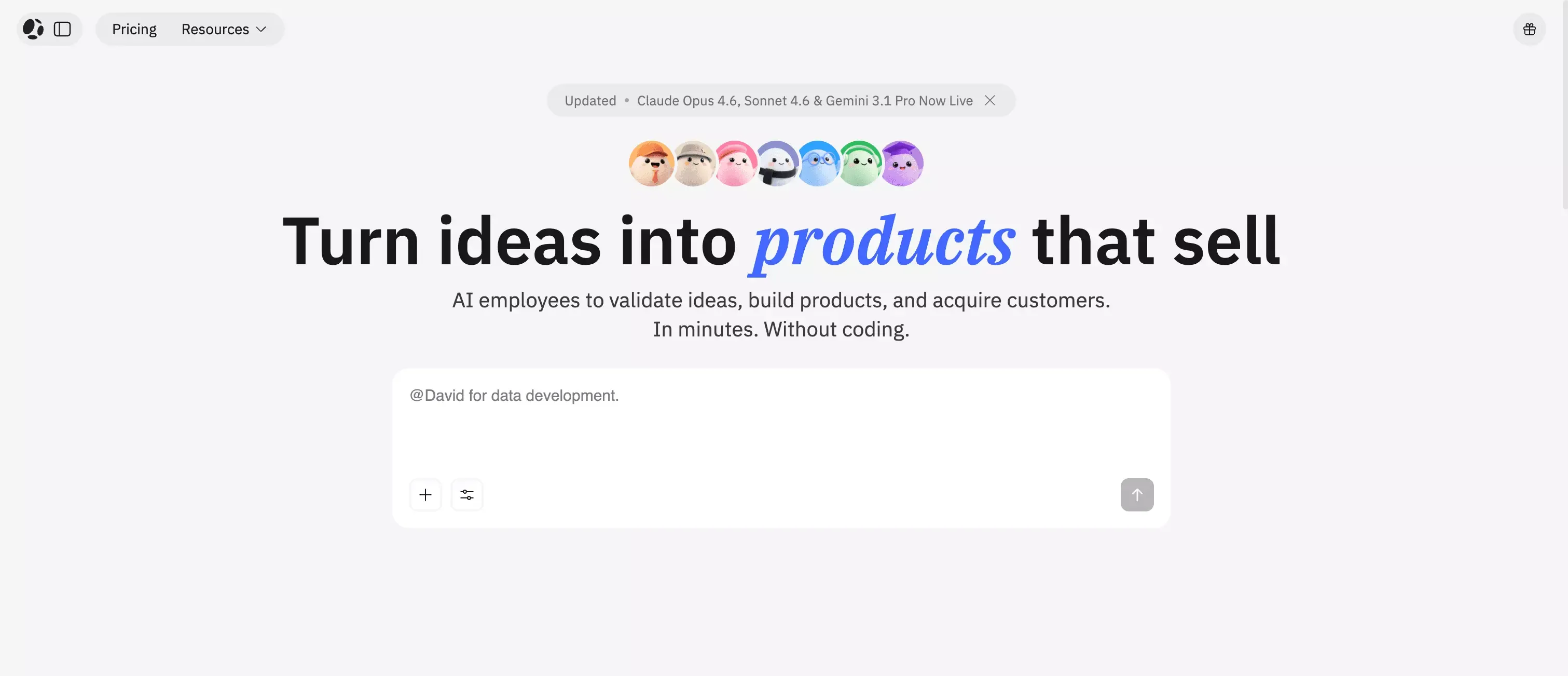 Atoms is a strong option if you do not just want an app builder. It is more compelling when you want help shaping the product itself.
What makes it stand out is the broader workflow. Instead of focusing only on prompt-to-app generation, it leans into a more complete app and website builder flow.
Best for
- founders exploring ideas beyond a single prototype
- teams that want strategy and building closer together
- people who want a broader workflow than a simple prompt box
What stands out
- product-oriented workflow
- broader scope than a basic AI app builder
- useful for moving from brief to prototype to working product
- more aligned with idea validation and product thinking
Where it fits better than Base44
Atoms makes more sense when:
- you want more structure around product development
- you care about the thinking before the build, not just the build itself
- you want something that feels closer to a product workflow than a one-step generator
Trade-offs to know
- it is less mainstream than some better-known alternatives
- it may be less obvious for people who only want the simplest possible MVP flow
- the value is clearer when your problem is bigger than “generate me a quick app”
Lovable
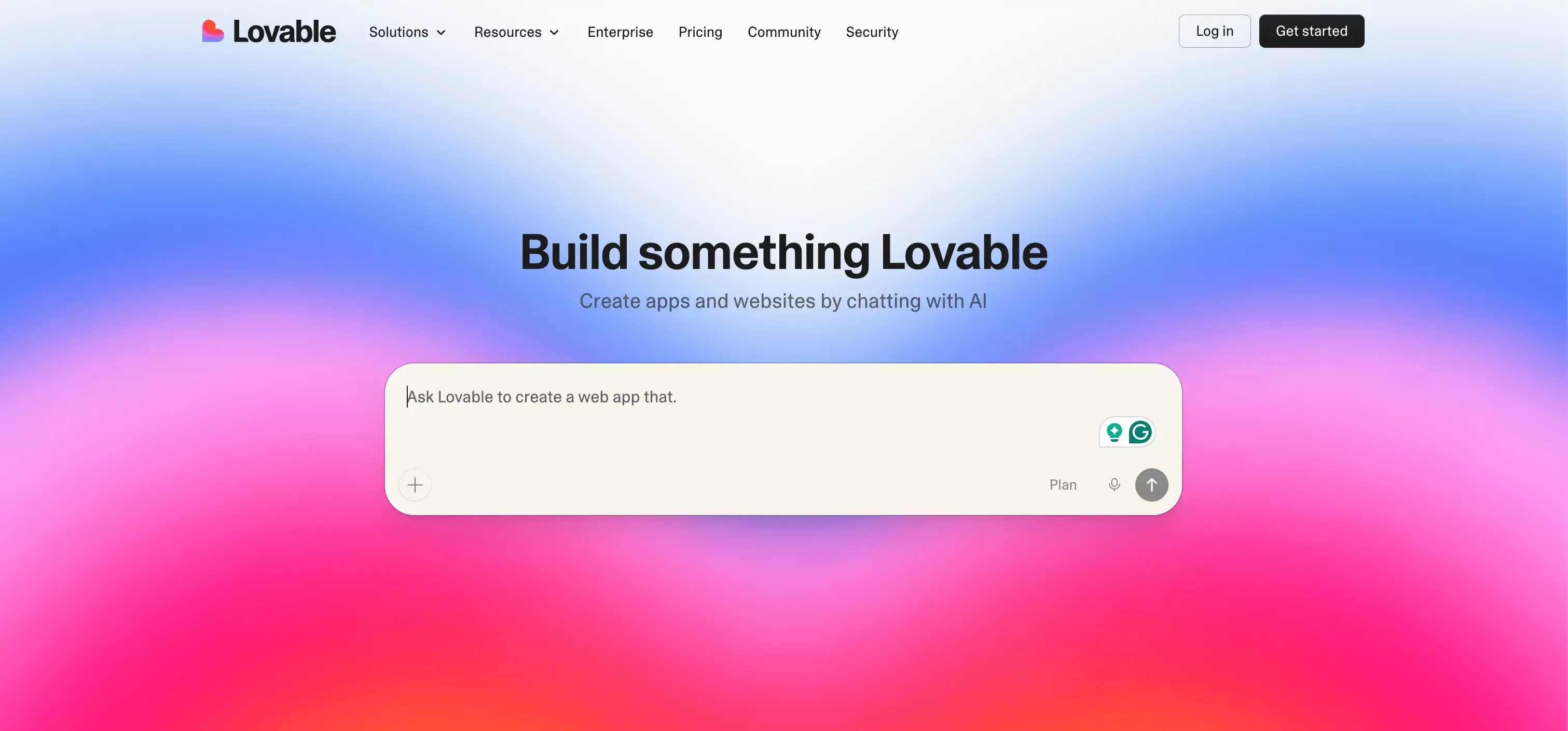 Lovable is one of the closest alternatives to Base44 in spirit. It is built for people who want to describe a product in plain language and get a real web app back fast.
Best for
- non-technical founders
- startup MVPs
- builders who want full-stack app generation without much setup
What stands out
- very fast path from prompt to usable product
- strong fit for modern web-app style MVPs
- good balance between accessibility and app realism
- appealing for founders who want more than a demo
Where it fits better than Base44
Lovable is a better fit when:
- you want a more app-focused product experience
- you still want speed, but with a stronger web-app feel
- you care about getting something that behaves closer to a real product
Trade-offs to know
- like many prompt-first builders, complexity becomes harder later
- once the app logic gets unusual, developer-first tools often become a better fit
- it is strongest early, not always deepest later
Bolt.new
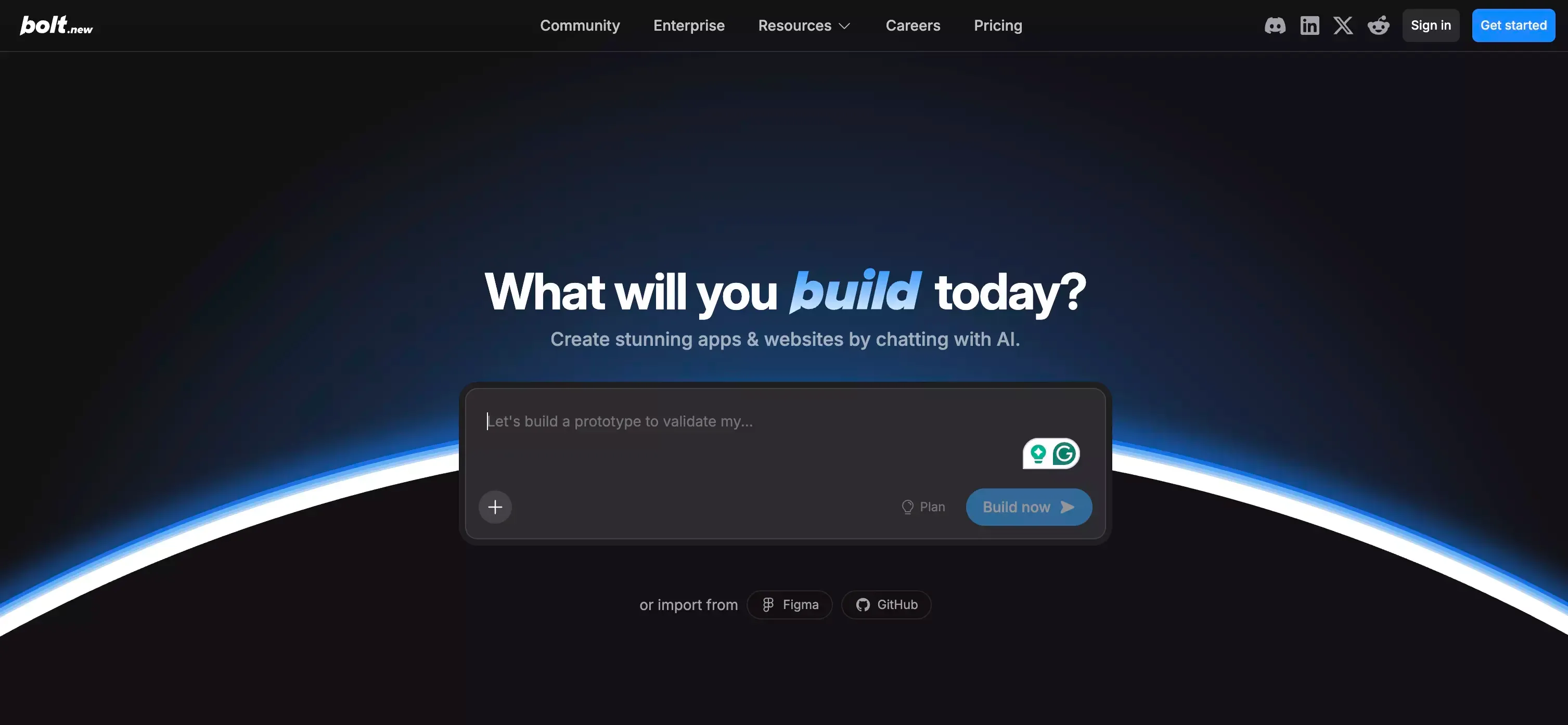 Bolt.new is a practical choice for fast browser-based building. It feels direct, fast, and easy to understand.
Best for
- developer-led MVPs
- quick browser-based product experiments
- teams that want less setup and faster iteration
What stands out
- straightforward prompt-based workflow
- fast idea-to-preview loop
- browser-native experience
- useful when speed matters more than process depth
Where it fits better than Base44
Bolt can be the better option when:
- you want a simpler, more direct browser-based build flow
- you want to move fast without much ceremony
- you prefer a practical build-and-ship experience over a broader product workflow
Trade-offs to know
- not the strongest choice if you want structured product planning
- less compelling when long-term engineering control becomes the priority
- better for momentum than for complexity
v0 by Vercel
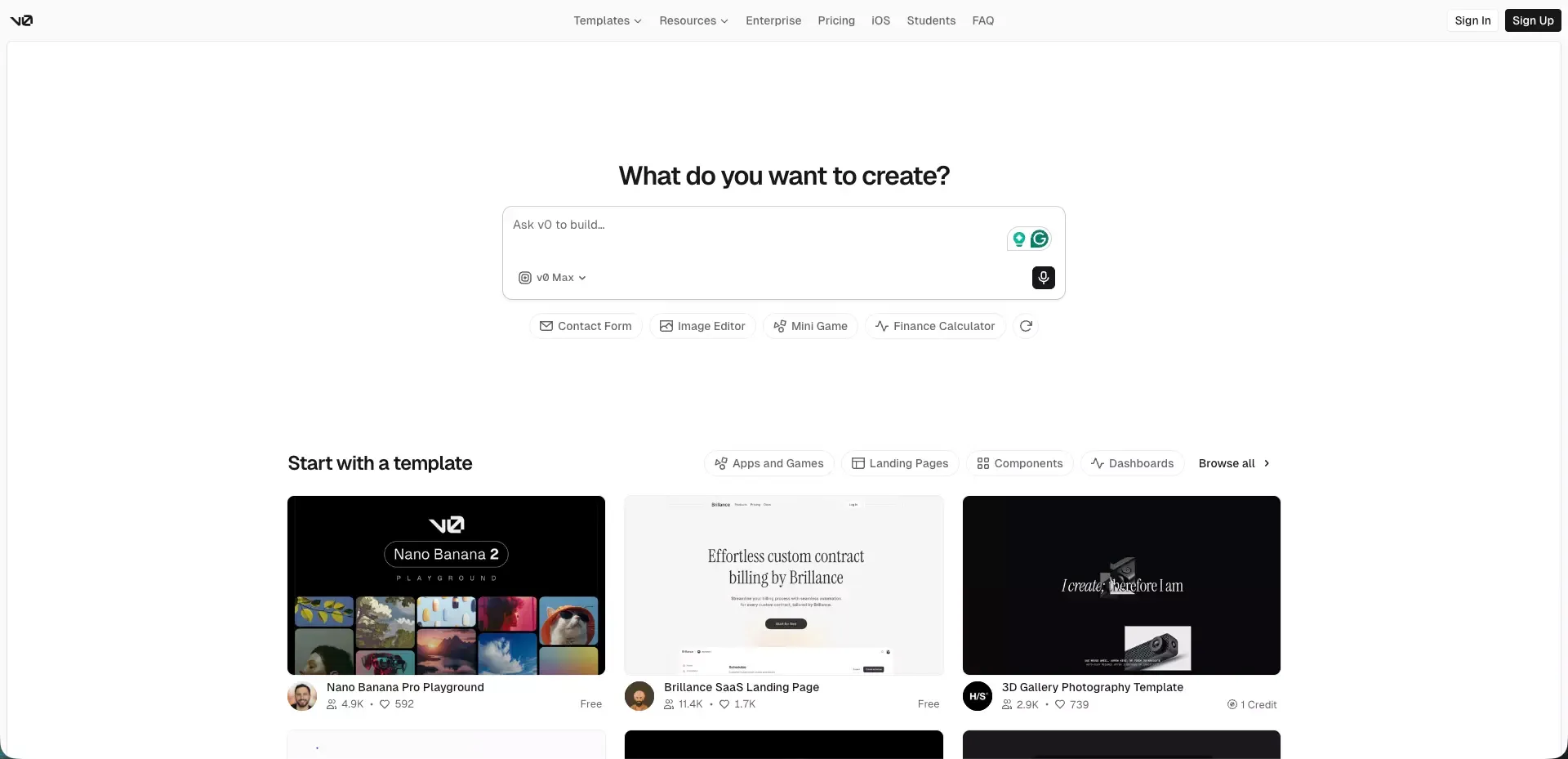 v0 is no longer just a landing-page generator. It has become a serious option for teams that care about UI quality and modern frontend workflows.
Best for
- frontend-heavy products
- teams already close to the modern web stack
- builders who care about design quality and repo-based workflows
What stands out
- strong frontend output
- good fit for polished interfaces
- closer to production-minded web workflows
- strong handoff potential for real teams
Where it fits better than Base44
v0 is the better choice when:
- frontend quality matters a lot
- you want AI generation that fits naturally into a modern web workflow
- your team is already comfortable with tools like Git and deployment pipelines
Trade-offs to know
- less ideal for people who want a pure no-code experience
- not the simplest choice for first-time non-technical builders
- stronger on frontend direction than on all-purpose business app simplicity
Cursor
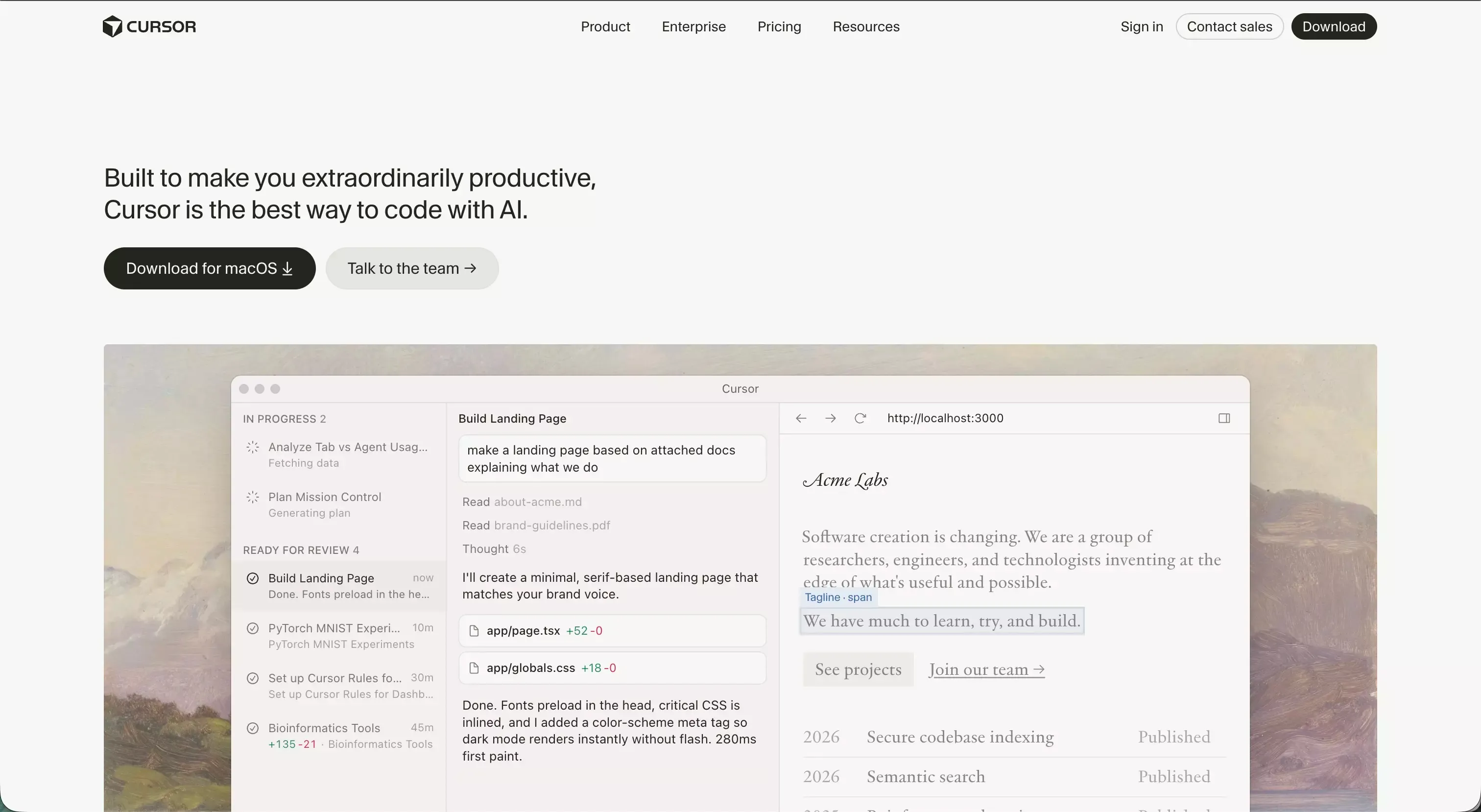 Cursor is not a traditional app builder. That is exactly why it belongs in this conversation.
If Base44 helps you avoid code, Cursor helps you move faster inside code.
Best for
- developers who want AI in a real editor
- teams that care about code ownership
- products moving beyond prototype phase
What stands out
- works inside a real coding workflow
- strong fit for complex codebases
- better for refactoring, debugging, and feature development
- supports a more serious engineering process
Where it fits better than Base44
Cursor is the better choice when:
- you want to keep control of the codebase
- you already think in terms of repos, branches, and refactors
- you want AI assistance without giving up engineering workflow
Trade-offs to know
- it is not ideal for people who want zero-code building
- the learning curve is higher for non-technical users
- it solves a different problem than prompt-first app builders
If your buying lens is closer to an AI coding assistant than a no-code generator, Cursor-style tools make more sense.
Windsurf
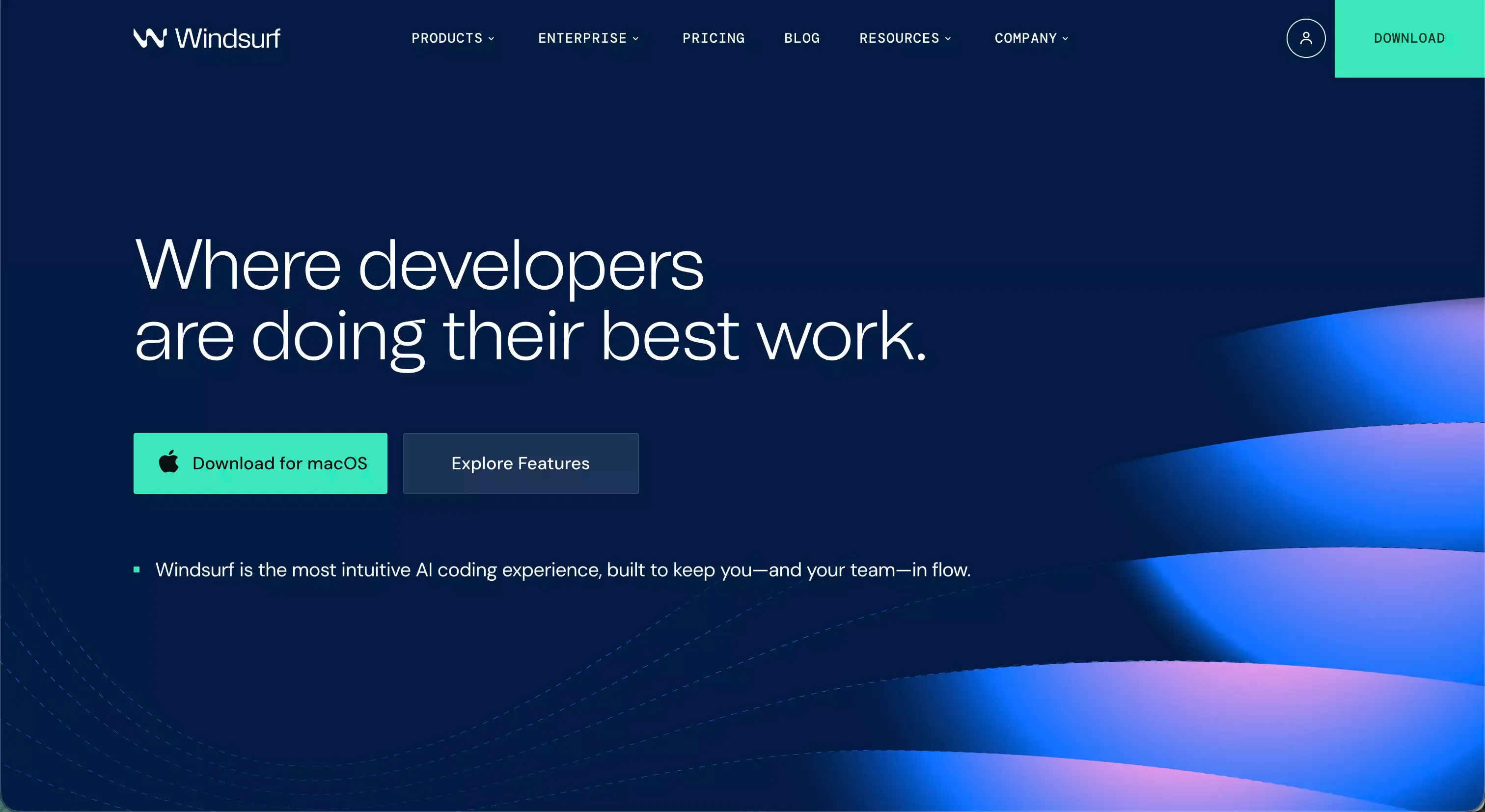 Windsurf plays in a similar space to Cursor, but with a more agentic and autonomous feel.
Best for
- developers who want a more AI-native IDE
- teams working across larger codebases
- builders who like a more collaborative agent experience
What stands out
- strong agentic coding workflow
- good fit for multi-file development
- feels more autonomous than classic AI code assistants
- useful when you want AI to behave more like an active collaborator
Where it fits better than Base44
Windsurf is stronger when:
- your workflow is already code-first
- you want deeper AI assistance inside a development environment
- you care more about software creation than prompt-based app generation
Trade-offs to know
- not built for non-technical builders
- less useful if your main goal is the fastest no-code MVP
- better for developers than for broad startup experimentation
This category overlaps more with coding agents than with classic app generators.
Replit
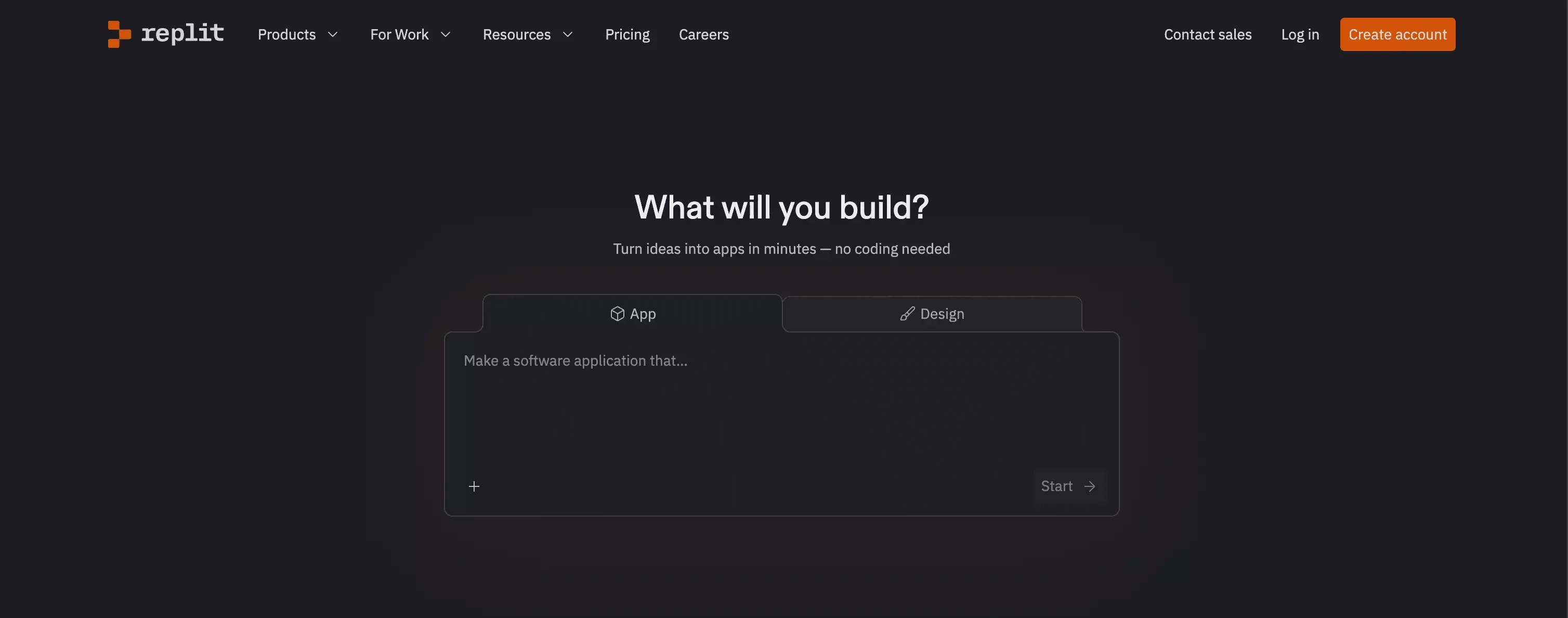 Replit remains one of the most practical browser-based platforms for building and deploying quickly.
Best for
- teams that want an all-in-one browser workflow
- builders who want to create and deploy in one place
- users who value convenience and speed
What stands out
- compressed build-preview-deploy loop
- fully browser-based experience
- convenient for fast shipping
- good for lightweight product execution
Where it fits better than Base44
Replit is a better choice when:
- you want an end-to-end browser workflow
- deployment speed matters as much as build speed
- you want an environment that combines development and hosting more tightly
Trade-offs to know
- can feel broad or cluttered depending on your workflow preference
- not always the cleanest fit for specialized product development
- some teams may outgrow the all-in-one model
Glide
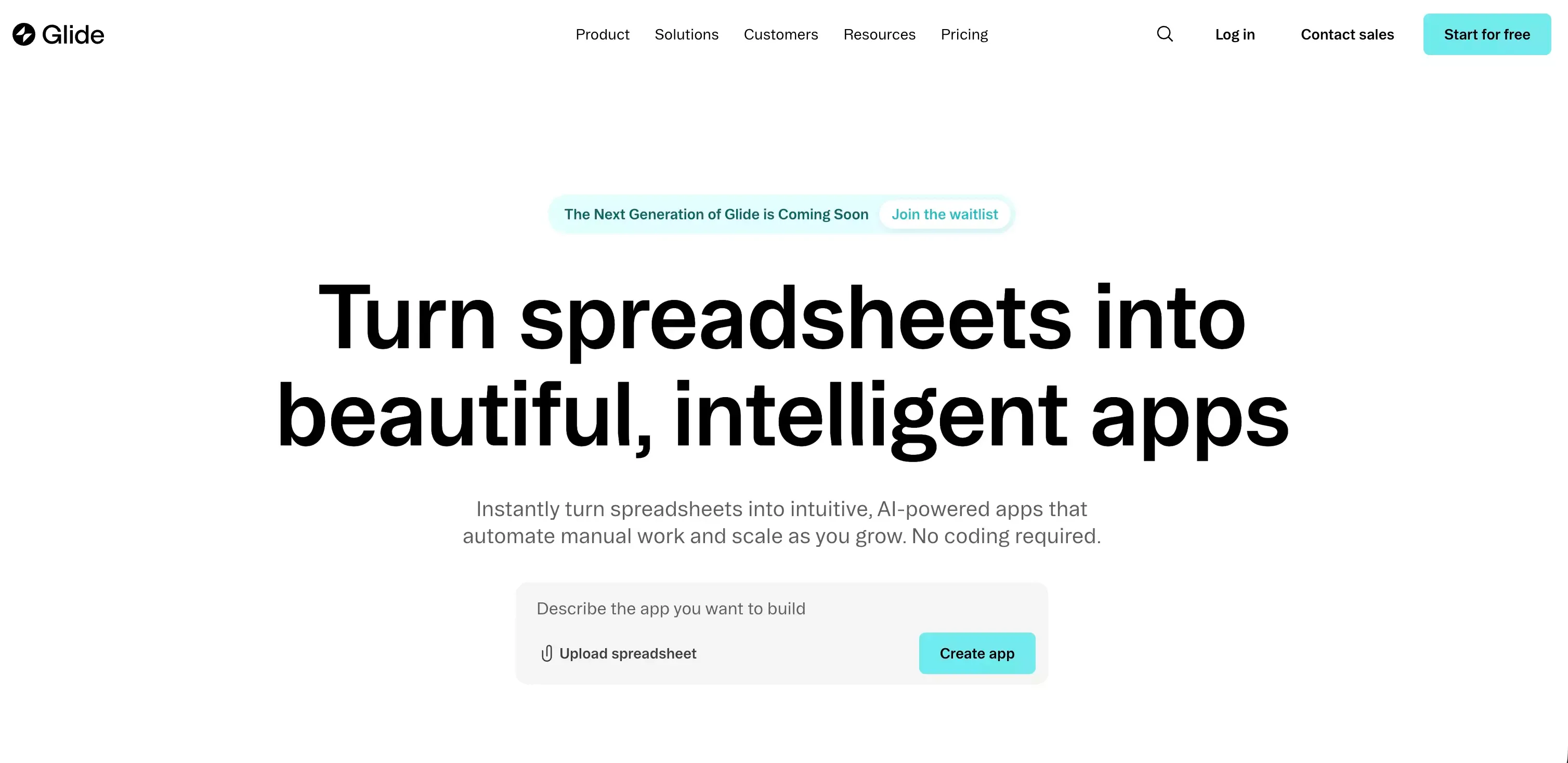 Glide is a smart alternative when your real problem is not “build a startup app from a prompt,” but “turn business data into a useful app quickly.”
Best for
- internal tools
- operations teams
- spreadsheet-driven workflows
- business apps connected to structured data
What stands out
- strong fit for data-driven business use cases
- efficient for internal apps
- easier path for non-technical teams managing operational workflows
- better specialization than generic AI builders in the right use case
Where it fits better than Base44
Glide makes more sense when:
- your app is built around existing data
- you want internal software, not a consumer SaaS product
- your team values speed and structure over deep customization
Trade-offs to know
- not the best fit for highly custom product UX
- less suitable for ambitious product-led startups
- strongest when the workflow is operational, not brand-driven
Retool
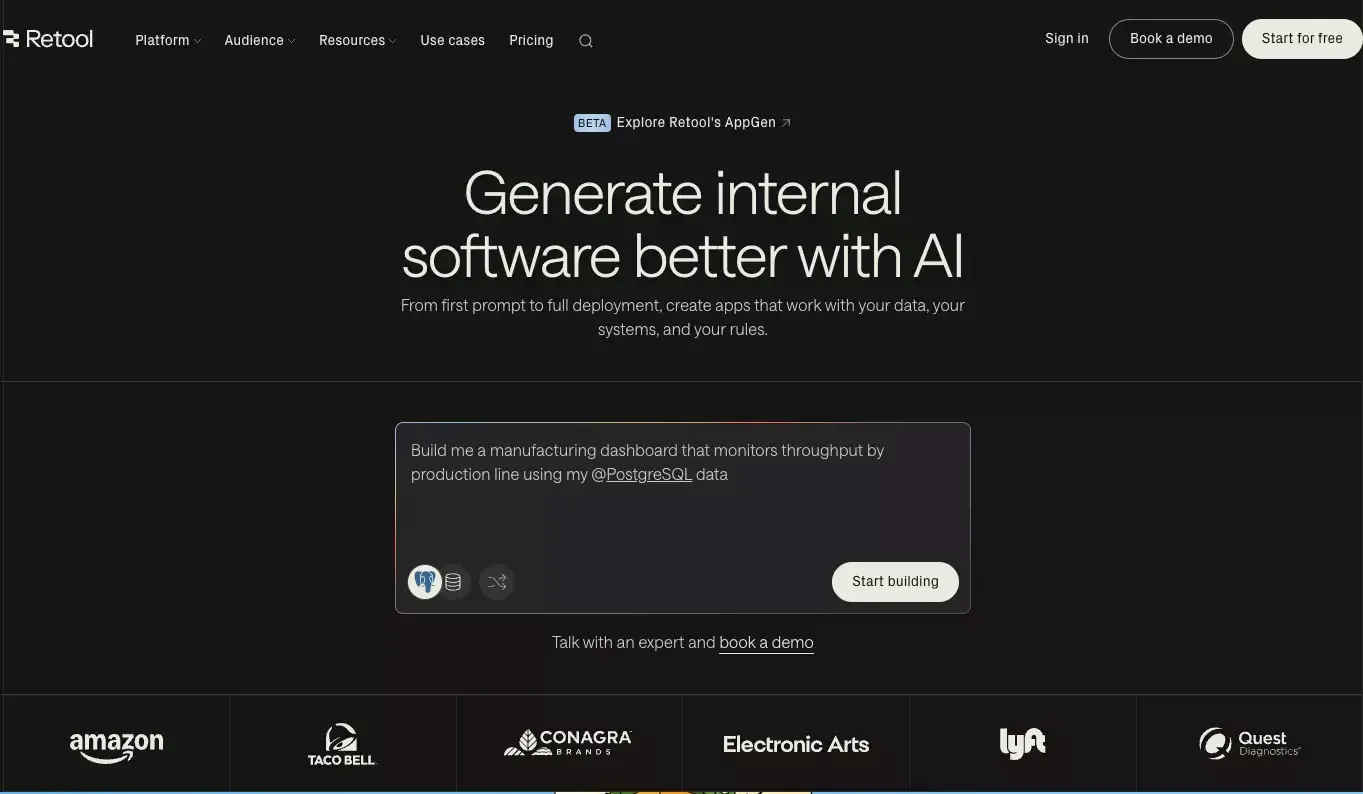 Retool is the most serious internal-tool option on this list. It is built for the messy reality of business systems, permissions, databases, APIs, and team operations.
Best for
- enterprise internal tools
- operational software
- teams that need governance and scale
- apps deeply tied to business systems
What stands out
- strong internal-tool capabilities
- better support for business systems and APIs
- more appropriate for enterprise workflows
- stronger governance and operational fit
Where it fits better than Base44
Retool is the better answer when:
- the app is internal and business-critical
- permissions, integrations, and operational reliability matter
- you need more structure than a general AI app builder usually provides
Trade-offs to know
- heavier than founder-friendly app builders
- less ideal for quick consumer-facing MVPs
- better for fit and scale than for magic and simplicity
Which Base44 Alternative Is Best for Your Situation?
For non-technical founders validating an idea
Best choices:
- Lovable
- Atoms
- Bolt
Why:
- they keep the distance from prompt to product short
- they reduce setup friction
- they work well when speed matters more than perfect architecture
That is also the point where an AI startup idea validator can be more useful than another generic builder comparison.
For teams that want a path from MVP to production
Best choices:
- v0
- Cursor
- Atoms
Why:
- they offer better handoff or scaling potential
- they fit more naturally into a serious product workflow
- they age better once the product becomes more complex
For developers who care about owning the codebase
Best choices:
- Cursor
- Windsurf
Why:
- they put AI inside a real development workflow
- they make more sense for ongoing engineering
- they support deeper control than prompt-first builders
For teams building internal tools around existing data
Best choices:
- Retool
- Glide
Why:
- they are specialized for internal business apps
- they fit structured workflows better
- they solve operational problems more directly
For builders who care most about frontend quality
Best choices:
- v0
- Cursor
Why:
- they fit modern web workflows well
- they offer a stronger path to polished UI
- they make more sense when the frontend is part of the product advantage
Base44 vs. Its Alternatives: What Actually Changes?
The biggest difference is not the interface. It is the philosophy.
Here is the clearest way to think about the market.
| Category | Tools | Core strength | Best for |
|---|---|---|---|
| Prompt-first builders | Base44, Lovable, Bolt, Replit, Atoms | Fast path from idea to app | MVPs, early validation, fast product experiments |
| AI coding environments | Cursor, Windsurf | More control inside real code workflows | Developers, teams, long-term builds |
| Specialized app platforms | Glide, Retool | Better fit for business workflows | Internal tools, operational apps, enterprise use cases |
This is why many comparison articles miss the mark. They assume every tool is fighting for the same buyer. In reality, they are often winning in different categories.
Once you see that, the choice becomes much simpler.
When Base44 Is Still the Better Choice
Base44 is still a good pick in a few very common situations.
Choose Base44 if:
- you want the fastest route to a simple working app
- you are still validating whether the idea matters
- you do not need deep backend customization yet
- you want a prompt-first experience with minimal setup
- you are comfortable staying inside one platform early on
That is not a small use case. It is a very common one.
The problem starts only when people expect a fast MVP tool to also be the perfect long-term platform for every product shape. Sometimes it is. Often it is not.
Final Verdict
If I had to reduce everything in this article to one sentence, it would be this:
Base44 is strong for fast AI app generation, but the best alternative depends on what you need after the first version ships.
My practical picks are:
| Need | Best pick |
|---|---|
| Best overall alternative for non-technical builders | Lovable |
| Most interesting product-building alternative | Atoms |
| Best for developer control | Cursor |
| Best for agentic IDE workflow | Windsurf |
| Best for polished frontend work | v0 |
| Best for internal tools | Retool |
| Best for spreadsheet-driven business apps | Glide |
| Best for browser-based build-and-deploy flow | Replit |
| Best quick browser builder for MVPs | Bolt |
There is no single “Base44 killer.”
There are simply better fits for different builders, teams, and product stages.
That is the more useful answer, and honestly, the more honest one too.
A little more clarity
Frequently asked questions
01What is the best Base44 alternative for beginners?
For beginners, the strongest options are:
- Lovable
- Base44
- Atoms
These tools keep the workflow accessible and reduce infrastructure overhead.
02Which Base44 alternative gives the most code control?
The best options for code control are:
- Cursor
- Windsurf
They make the most sense when ownership, maintainability, and developer workflow matter most.
03Which alternative is best for internal tools?
The strongest options are:
- Retool for more serious internal systems
- Glide for lighter business apps built around data
04Which option is better for production apps than prototypes?
The best candidates are usually:
- v0
- Cursor
- Windsurf
- sometimes Replit
These tools tend to fit better once the product moves beyond the earliest prototype stage.
05Is Base44 still worth considering in 2026?
Yes.
It is still worth considering if your main goal is speed, simplicity, and getting a usable product live quickly. It just should not be treated as the default winner for every type of app or every stage of growth.
Share this article
 Posts
Posts 