
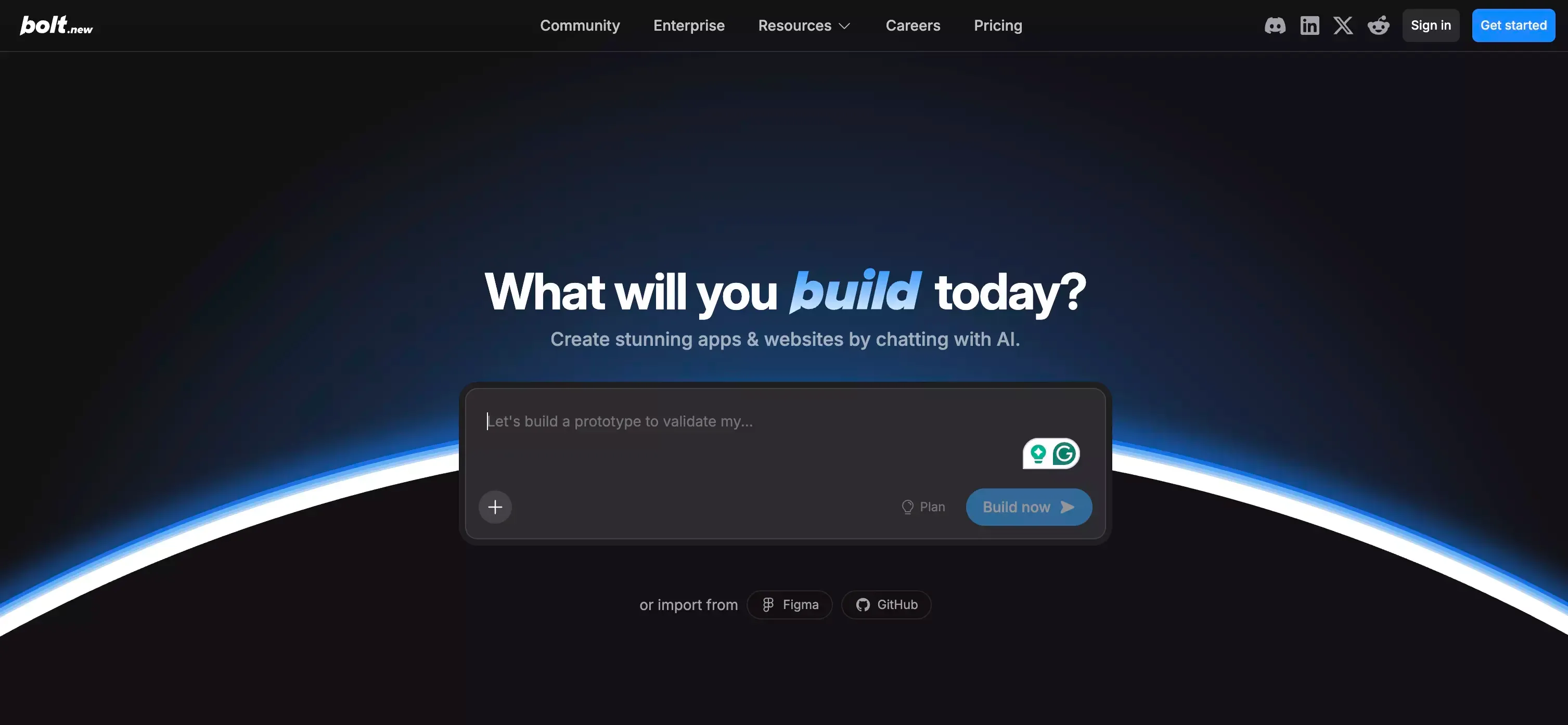
 If you have tried Bolt, you probably understand the appeal right away. It is fast, visual, and surprisingly good at turning a rough idea into something usable.
But after looking at this space more closely, I do not think “best Bolt alternative” is one simple question. It is really a set of smaller questions:
- Do you want a better product-building workflow, not just faster code?
- Do you care about GitHub sync and portability?
- Are you building an internal tool instead of a public app?
- Is your priority frontend polish, backend structure, or no-code speed?
That is the lens I used for this article.
I am not trying to force one winner for everyone. I am looking at fit. Which tool is actually better for a certain type of builder, workflow, and end goal?
Why People Look for a Bolt Alternative
Bolt is strong when you want to move fast. It lowers the barrier to getting started and makes early experimentation feel easy.
That said, people usually start looking elsewhere for a few clear reasons:
- They want more control over code and deployment
- They want a workflow that fits a real team, not just solo experimentation
- They are building something more structured, like an internal tool or admin app
- They want stronger support for product planning, not only implementation
- They prefer a more no-code or more code-friendly environment, depending on their background
In other words, the issue usually is not that Bolt is bad. It is that the project has moved into a different stage.
Quick Answer: The Best Bolt Alternatives at a Glance
| Tool | Best for | What stood out to me | Main tradeoff |
|---|---|---|---|
| Atoms | Product-minded teams | Broader workflow from idea to launch | Less ideal if you only want a lightweight coding tab |
| Lovable | Prompt-to-app with ownership | Strong GitHub and portability angle | Still best when your workflow starts from prompts |
| Replit Agent | AI building inside a dev workspace | Combines AI generation with a fuller coding environment | Can feel heavier than simpler builders |
| Refine | Internal tools and admin apps | Clear fit for CRUD-heavy business software | Less suited to highly open-ended marketing sites |
| v0 | Frontend-first app building | Great for UI speed and modern web workflows | Less compelling if backend structure is your main concern |
| Softr | No-code business apps | Fastest route for portals, dashboards, and internal apps | Less flexible for highly custom product logic |
My Take on the Best Bolt Alternatives
Atoms
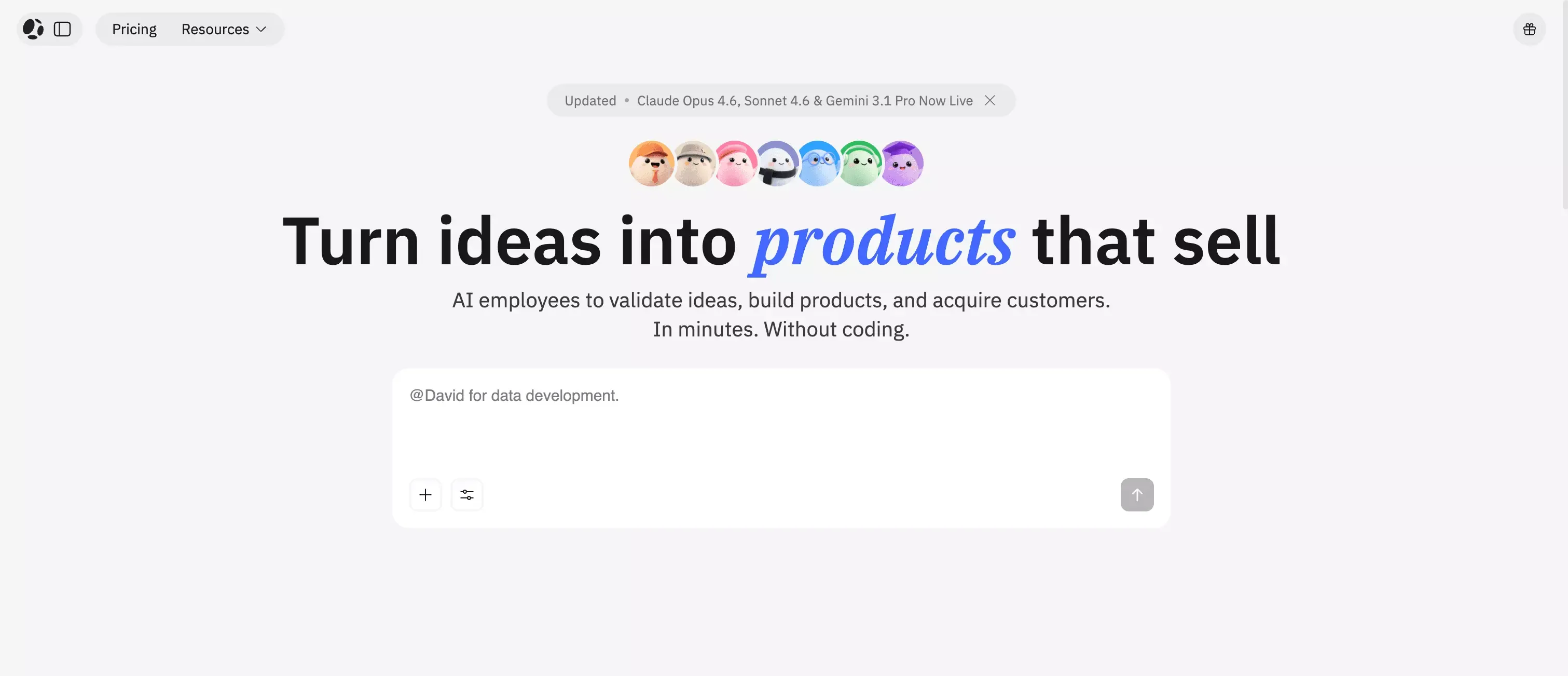 Atoms feels different from most Bolt alternatives because it is trying to solve a bigger problem.
What stood out to me:
- It is framed more as a product-building system than a pure prompt-to-code tool
- It fits people who want help with shaping, building, and launching
- It makes the most sense when the project is still fuzzy and needs structure
Where I think it fits best:
- Founders validating a new idea
- Product-minded teams moving from concept to launch
- Builders who want more guidance than a typical AI code assistant gives
Where it may be less ideal:
- Developers who only want a fast coding surface
- Teams that already have a very fixed engineering workflow
My read: Atoms is strongest when the bottleneck starts before code.
Lovable
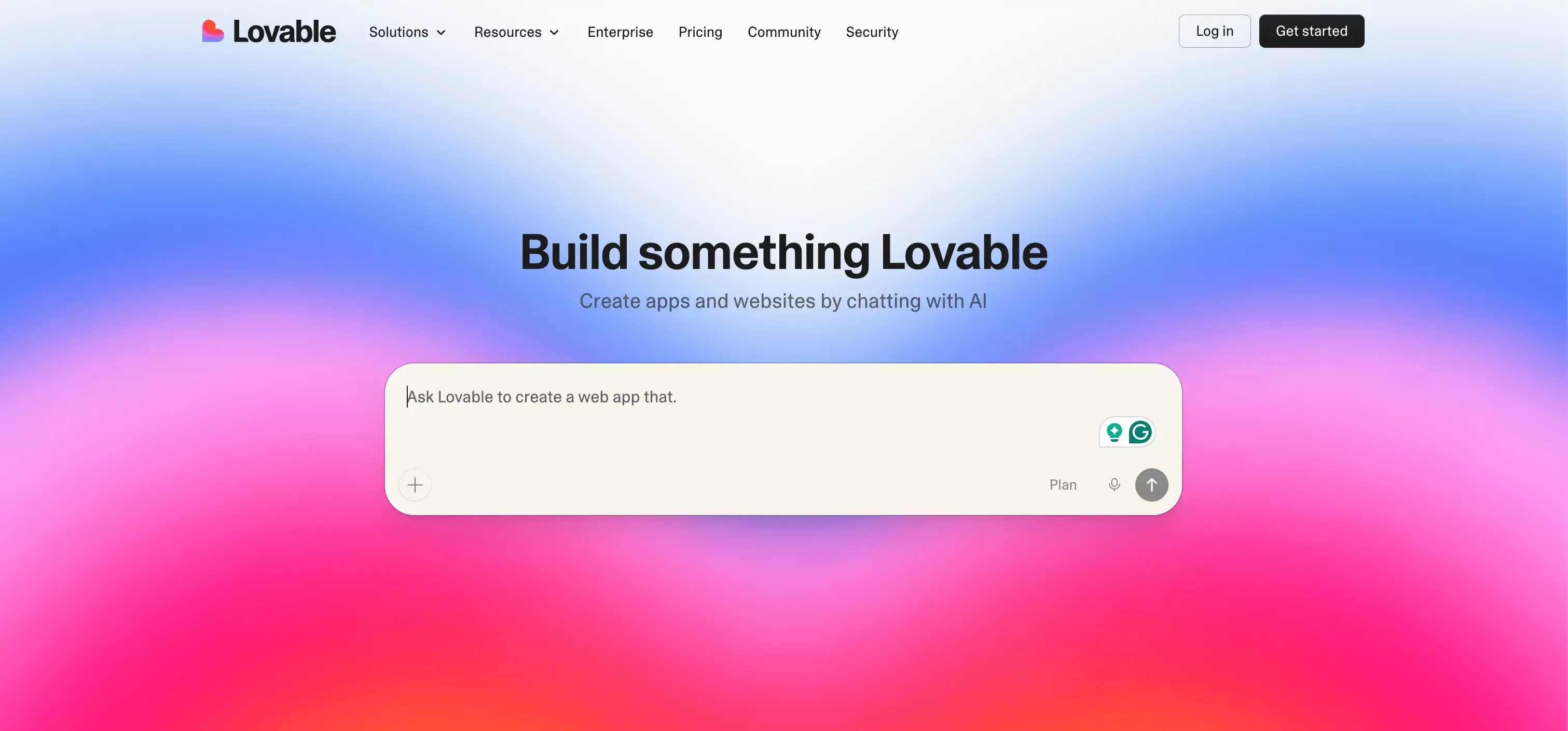 Lovable is one of the closest alternatives to Bolt in spirit, but it feels more reassuring if ownership matters to you.
What I liked:
- Clear GitHub story
- Better portability than many AI builders
- A smoother bridge between non-technical creation and real developer handoff
Where it fits best:
- Founders who want speed but do not want to feel trapped
- Teams that may move from AI generation into normal development
- People who care about keeping their repo and deployment options open
Where it may be less ideal:
- Users looking for a broader product strategy layer
- Teams with more specialized internal-tool requirements
My read: Lovable is a very practical choice if your biggest concern is not just speed, but also future flexibility.
Replit Agent
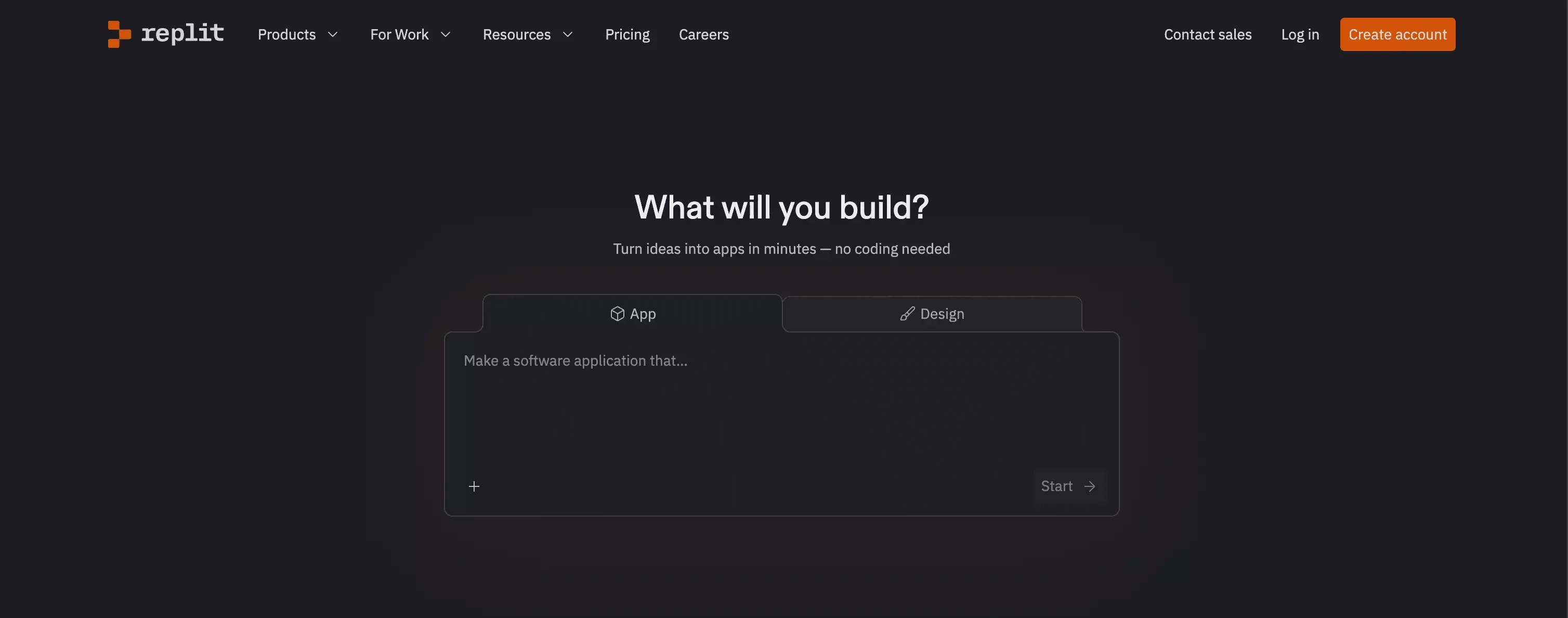 Replit Agent is interesting because it sits inside a broader development environment.
What stood out to me:
- It feels less like a one-shot builder and more like a full workspace
- It is better suited to users who want AI help without leaving a coding environment
- It makes sense for teams that want collaboration, editing, and iteration in one place
Where it fits best:
- Builders who want AI plus a browser-based dev workflow
- Teams that want to stay closer to code
- Projects that need more ongoing iteration after the first version
Where it may be less ideal:
- Users who want the lightest, simplest possible building experience
- People who prefer a no-code-first interface
My read: Replit Agent is the best fit here if you want AI generation inside a real dev environment rather than beside it.
Refine
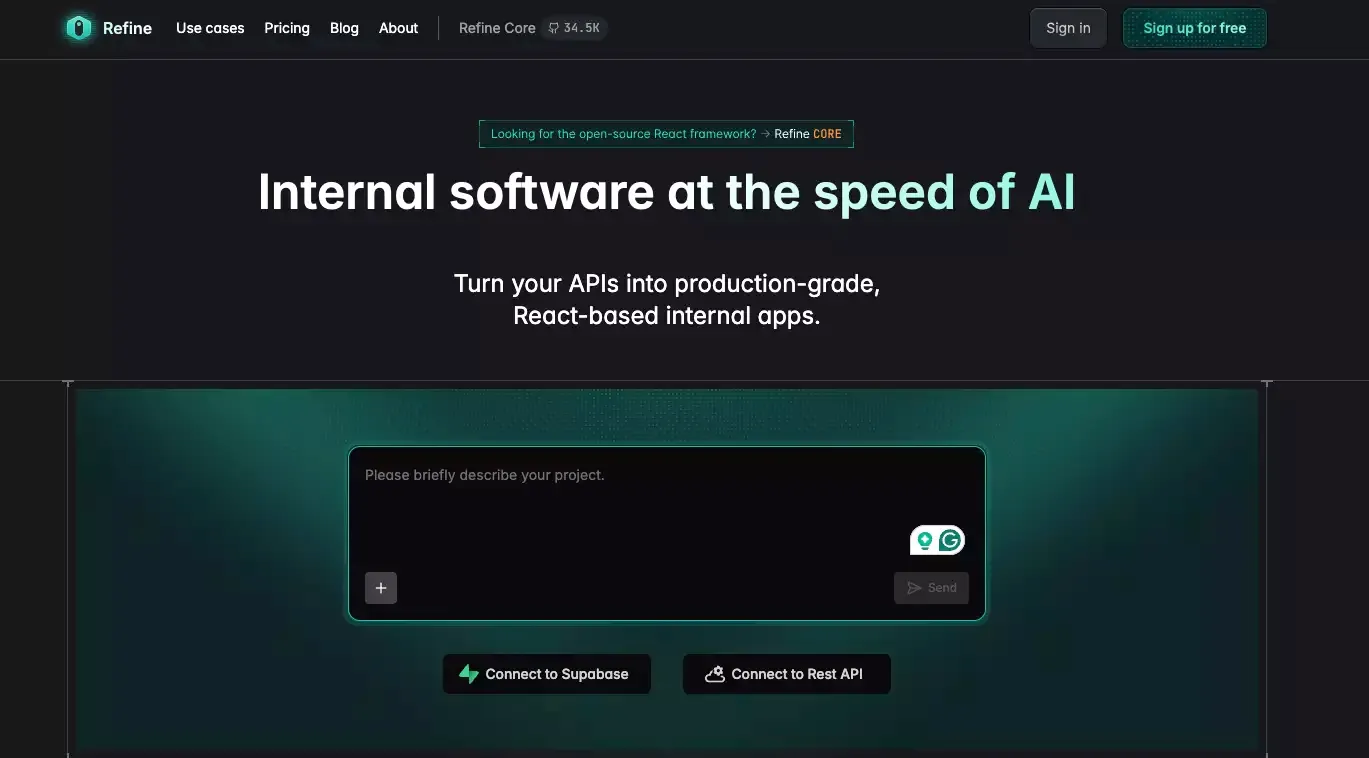 Refine is the most focused option on this list, and that is a good thing.
What I liked:
- It has a very clear point of view
- It is built around internal tools, dashboards, admin panels, and B2B workflows
- It feels more opinionated in the places where business apps actually need structure
Where it fits best:
- Internal tools
- Admin panels
- CRUD-heavy applications
- Teams building operational software, not just product demos
Where it may be less ideal:
- Users looking for a simple prompt-based site builder
- Projects that are more about visual marketing pages than app logic
My read: If your project is clearly an internal tool, Refine makes more sense than trying to force a general AI builder into that role.
v0
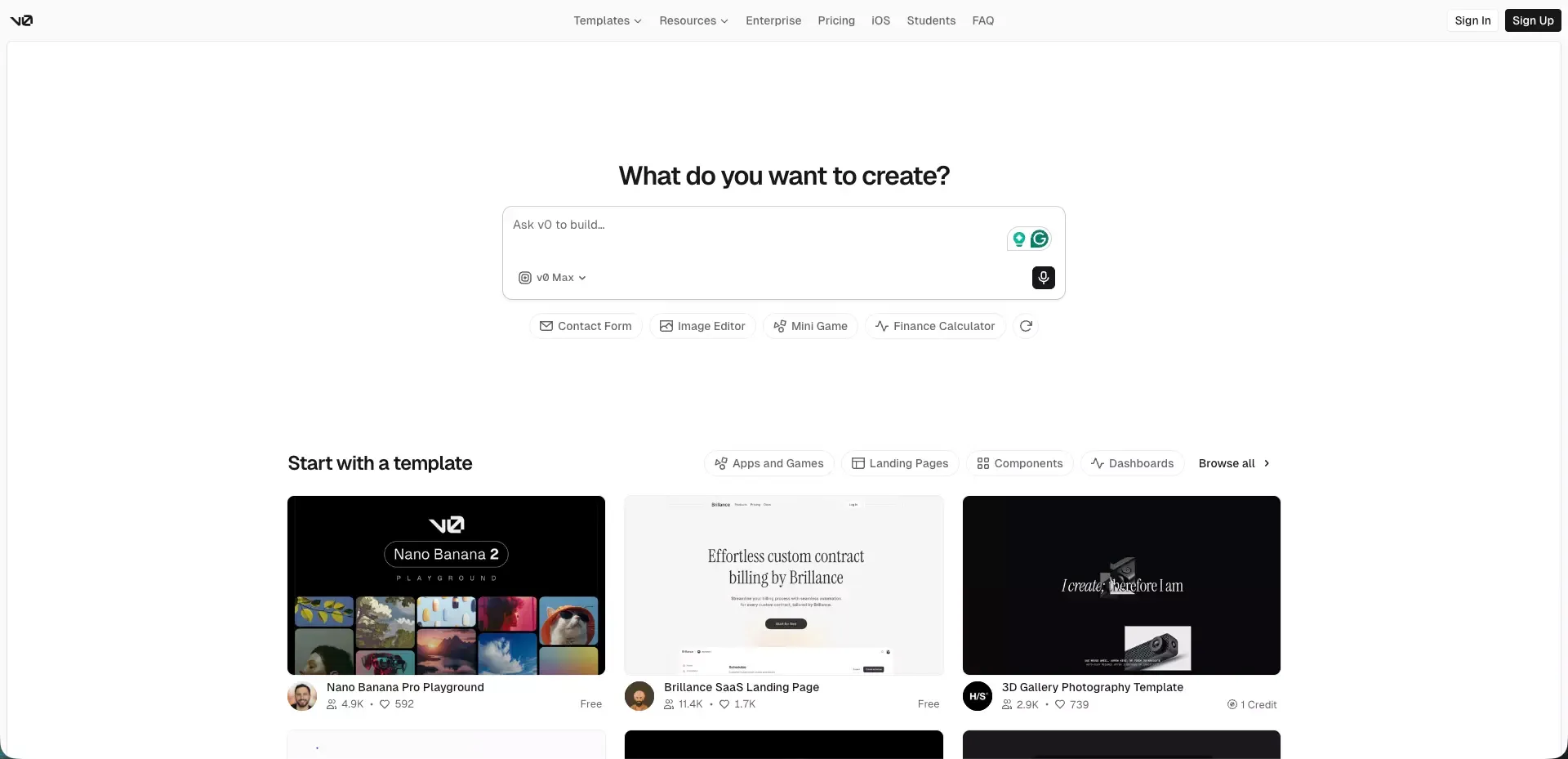 v0 is strongest when the frontend is the center of the product.
What stood out to me:
- It is very good for UI-heavy workflows
- It feels natural for modern web teams
- It works well when design speed matters more than broad product orchestration
Where it fits best:
- Frontend-heavy apps
- Design-led workflows
- Teams shipping polished interfaces quickly
Where it may be less ideal:
- Users who want a broader no-code business stack
- Teams whose main challenge is backend logic or operations
My read: v0 is not the best Bolt alternative for every use case, but it is one of the best if the frontend is where most of the value sits.
Softr
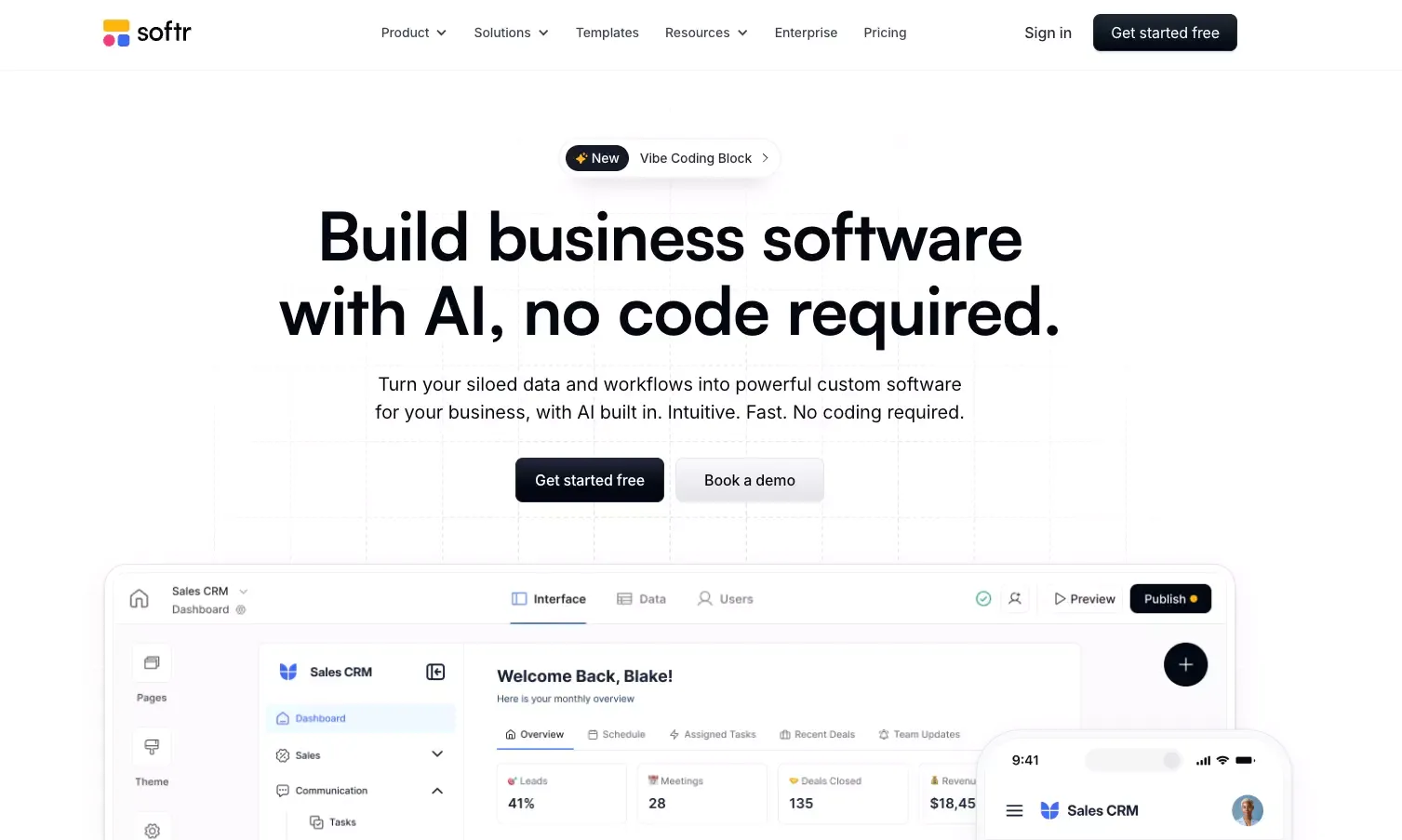 Softr is the easiest recommendation here for people who do not actually want a more code-like experience.
What I liked:
- It is very direct about the business apps it helps you build
- It is good for portals, internal dashboards, and operational workflows
- It makes more sense than Bolt for users who want usable software fast without much technical overhead
Where it fits best:
- Client portals
- Internal dashboards
- Team operations
- Business apps connected to structured data
Where it may be less ideal:
- Products that need highly custom logic
- Teams aiming for a very code-centric workflow
My read: Softr is the strongest choice on this list if your goal is operational software, not open-ended product experimentation.
How I Would Choose Between Them
If I were choosing today, I would use this filter:
Choose Atoms if
- You need help turning an idea into a real product direction
- You want a broader workflow from concept to launch
- You care about product thinking, not only implementation speed
Choose Lovable if
- You want a Bolt-like experience with stronger ownership and portability
- You expect developers to take over later
- GitHub matters to your workflow
Choose Replit Agent if
- You want AI help inside a fuller dev environment
- You expect to keep iterating in code
- Collaboration and workspace depth matter
Choose Refine if
- You are clearly building an internal tool
- CRUD, dashboards, and admin workflows are central
- You want structure more than novelty
Choose v0 if
- The frontend is the product
- You care most about UI speed and polish
- Your workflow already leans modern web and design-first
Choose Softr if
- You want no-code business software
- You need portals, dashboards, or internal tools quickly
- Simplicity matters more than maximum flexibility
Bolt vs Atoms: Which One Fits Better?
This was the comparison I kept coming back to.
Here is the simplest way I would frame it:
| Choose Bolt if... | Choose Atoms if... |
|---|---|
| You want to move from prompt to prototype fast | You want a broader product-building workflow |
| You are optimizing for quick experimentation | You are optimizing for idea validation and launch readiness |
| You want a lightweight AI builder feel | You want more structure around the whole process |
| The project is still about fast iteration | The project is moving toward something more serious |
My honest takeaway:
- Bolt is better for fast, direct creation
- Atoms is better when the problem is wider than code
- The choice depends less on features and more on where you are in the product journey
That distinction matters. A lot of comparison articles ignore it. I think it is the real decision.
Final Verdict
If I had to summarize the market in one line, it would be this:
Bolt is a strong starting point, but the best alternative depends on which part of the building process you want to improve.
My practical picks:
- Best for product-minded teams: Atoms
- Best for ownership and portability: Lovable
- Best for AI inside a dev workspace: Replit Agent
- Best for internal tools: Refine
- Best for frontend-heavy builds: v0
- Best for no-code business apps: Softr
That is the real answer behind the keyword.
Not one winner. Better fit.
Frequently Asked Questions
What is the best Bolt alternative for non-technical founders?
I would narrow it down to Atoms, Lovable, and Softr.
- Choose Atoms if you want broader product support
- Choose Lovable if you want prompt-based building with more ownership
- Choose Softr if you want a straightforward no-code business app
Which Bolt alternative gives the most code control?
The strongest options here are Lovable, Replit Agent, and v0.
- Lovable is a good middle ground between AI generation and portability
- Replit Agent is strongest if you want AI inside a coding workspace
- v0 is a good fit for frontend-focused teams working in a modern web stack
Which option is best for internal tools?
It depends on your team.
- Choose Refine if you want a developer-oriented internal tool framework
- Choose Softr if you want a faster no-code path
- Choose Atoms if the internal tool is part of a broader product or operational workflow
Is Bolt still good for MVPs?
Yes. I still think Bolt is a good choice for MVPs.
It is especially strong when:
- You need speed
- You want to validate an idea quickly
- You want a simple workflow without too much setup
When does Atoms make more sense than Bolt?
Atoms makes more sense when:
- The project needs more structure
- You want support beyond pure implementation
- You are thinking about launch, growth, and product direction earlier in the process
 Posts
Posts 