
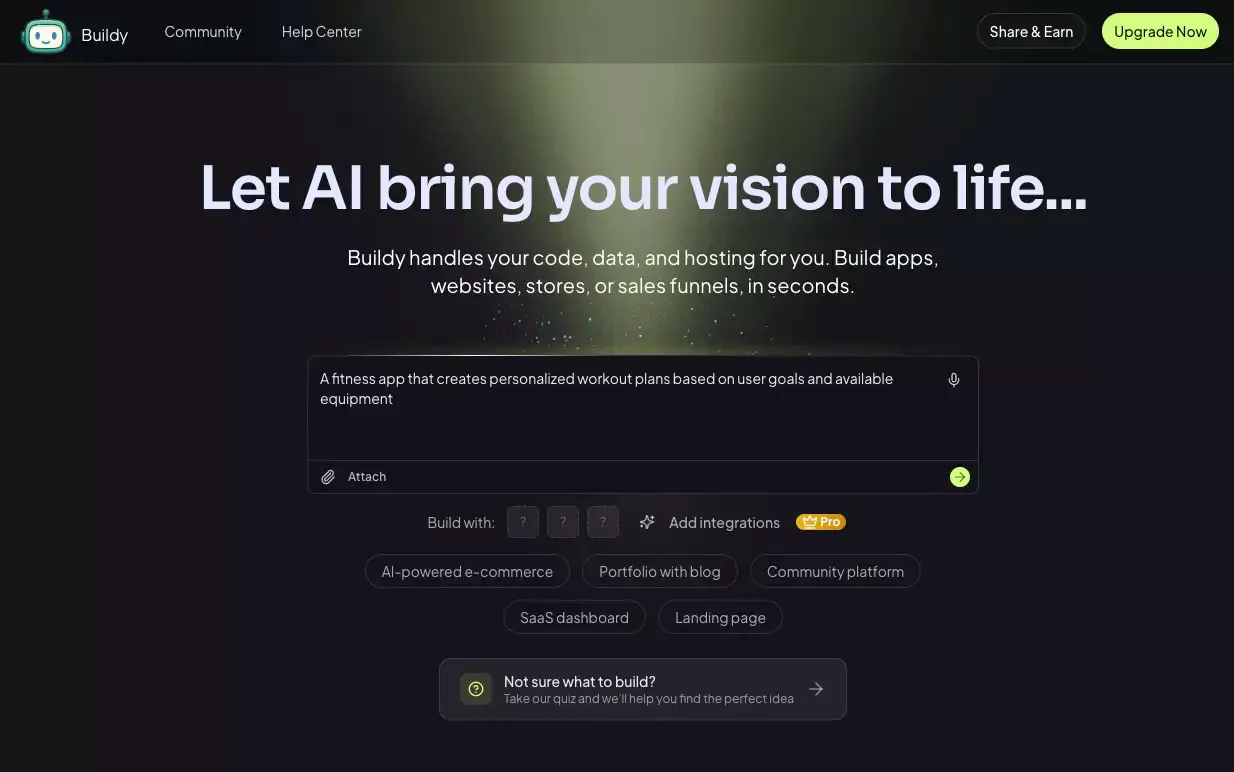
 If you want the short answer, start with Atoms. It is the closest Buildy AI alternative for founders who like the idea of going from concept to launch fast, but want a more product-first workflow.
After that, the best choice depends on what you actually need. Bubble is stronger if you want deeper no-code control. Lovable and Bolt make more sense if speed is the whole point. Softr is better for portals and internal tools. Adalo and FlutterFlow are stronger if mobile matters. Replit and v0 are the better picks if you want to stay closer to code.
That is the key point most comparison pages miss. People do not leave Buildy for one generic reason. They leave because they want one specific thing Buildy does not emphasize enough for their use case: product depth, visual control, mobile output, code flexibility, or a clearer workflow.
Quick answer
| Tool | Best for | Paid entry | Main trade-off |
|---|---|---|---|
| Atoms | Founders who want the closest overall Buildy replacement | $20/mo | Credit-based usage can scale up |
| Bubble | Deep no-code control for serious apps | $29/mo annual web-only | Steeper learning curve and cost |
| Lovable | Fast prompt-first app building | $25/mo | Narrower than Buildy’s broader business angle |
| Softr | Portals, dashboards, internal tools | $49/mo | Less suited for custom SaaS from scratch |
| Adalo | Mobile-first founders | $36/mo | Less flexible for complex product logic |
| Bolt | Fast prototyping and rapid launches | $25/mo | More build-focused than business-focused |
| Replit | AI building with a more code-native path | $25/mo | Less beginner-soft than no-code tools |
| FlutterFlow | Cross-platform apps with more control | $39/mo | More demanding for beginners |
| v0 | Web product teams and Vercel-style workflows | $20/mo | More web-product-centric than founder-centric |
1. Atoms
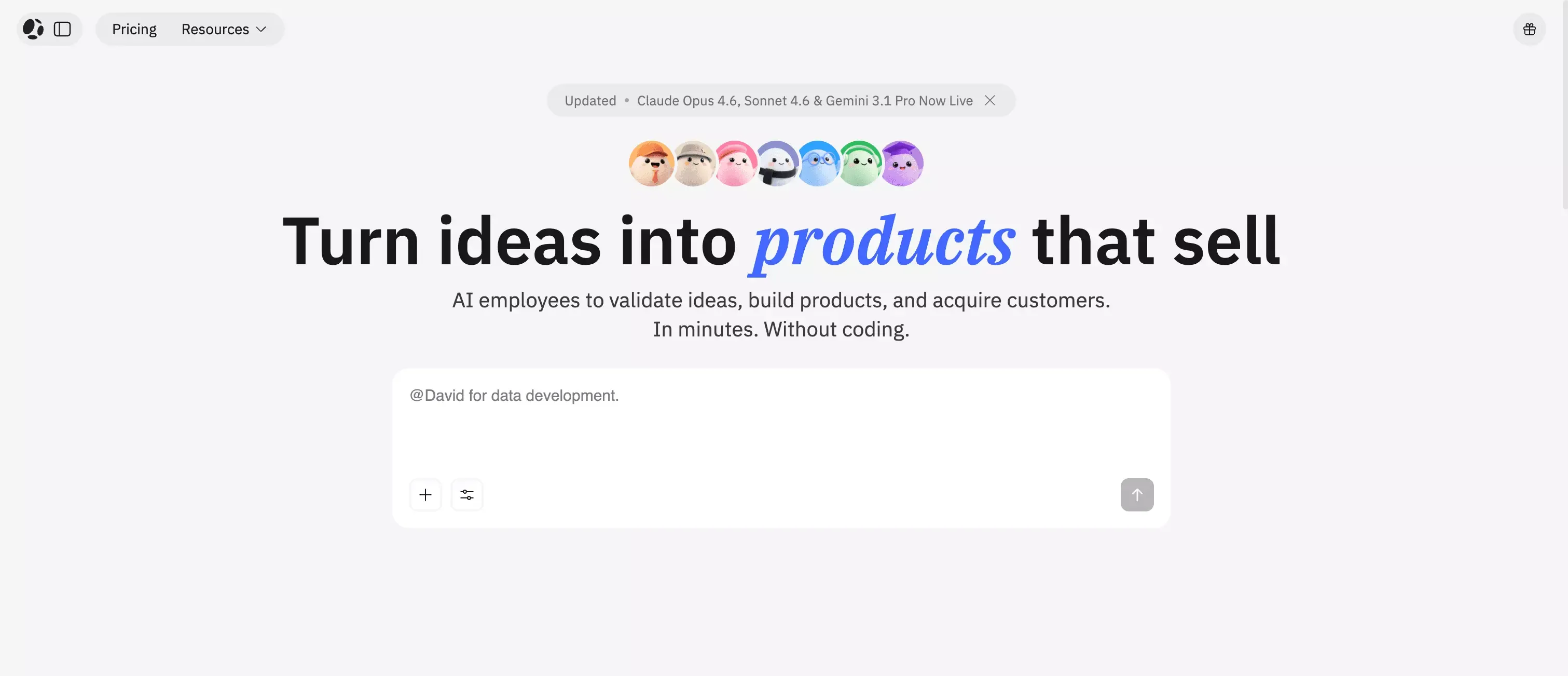 Atoms is an AI product-building platform for websites, apps, internal tools, and launch-ready digital products. What makes it the closest Buildy alternative is that it still thinks beyond simple page generation. It tries to help users move from idea to a working product with backend, deployment, AI integrations, GitHub sync, and monetization support in the same workflow.
My view is that Atoms is the best overall option if you liked Buildy’s end-to-end ambition but want the center of gravity to be the product itself, not the broader “AI business builder” story.
Best for
Founders who want to build SaaS products, AI apps, internal tools, landing pages, or websites with a more product-oriented workflow.
Pros
- Closest overall fit to Buildy’s broad “idea to launch” appeal
- Strong full-stack direction with backend, deployment, and code portability
- Better fit than most alternatives if you want a real product, not just a fast prototype
- Entry price is low relative to most full-stack AI builders
Cons
- Credit-based pricing is flexible, but heavier use can raise the real monthly cost
- Some growth-oriented features are still maturing
Pricing
| Plan | Price |
|---|---|
| Free | $0/mo |
| Pro | from $20/mo |
| Max | from $100/mo |
2. Bubble
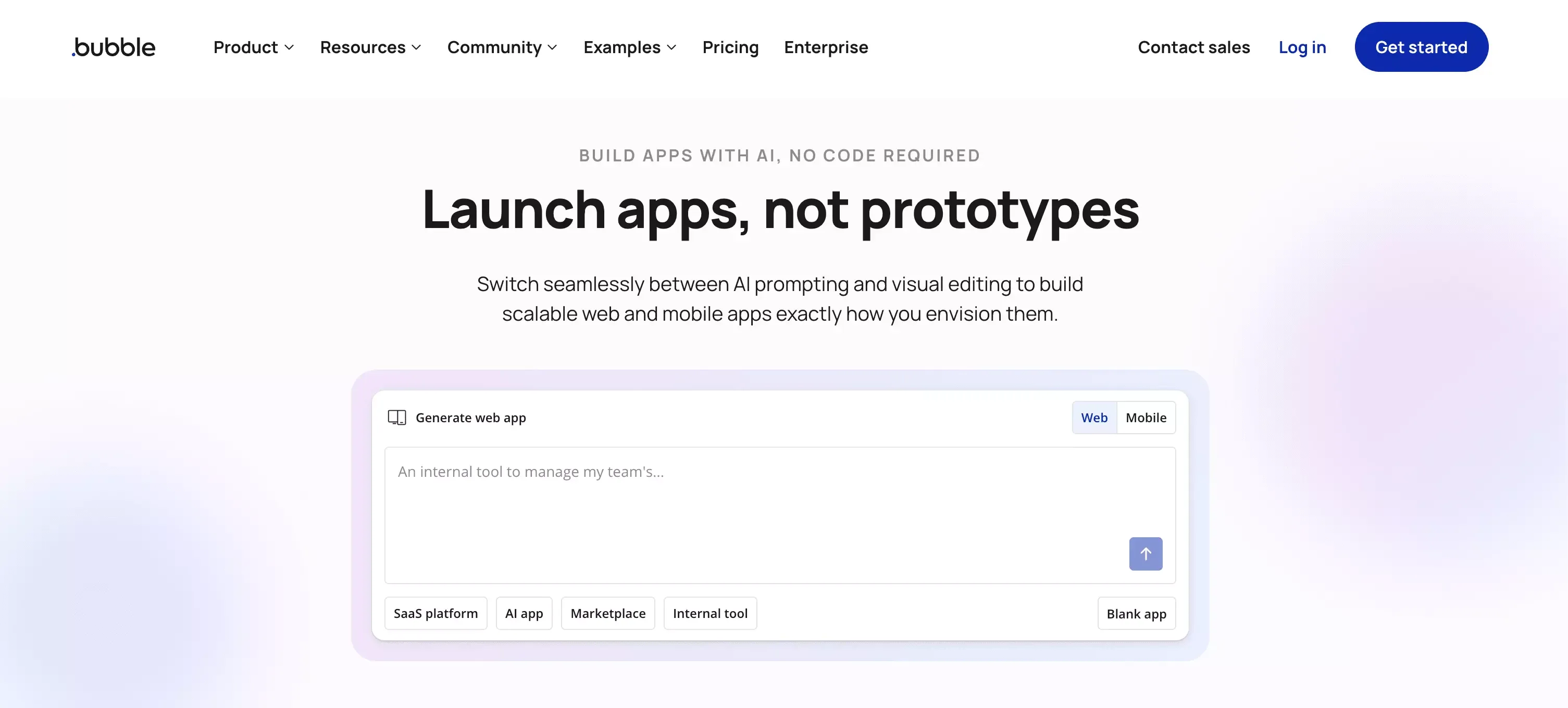 Bubble is the strongest option here if your real issue with Buildy is not speed, but control. It is a mature no-code platform for building full-stack web apps with visual workflows, database logic, integrations, hosting, and increasingly mobile support.
I would not call Bubble the easiest alternative. I would call it the most powerful no-code option in this list for people who know they need deeper customization. If you want a fuller product-level breakdown, this Bubble review is the closest match.
Best for
Founders and teams who want serious no-code app-building depth, especially for web apps with more custom workflows and data logic.
Pros
- Best-in-class visual control for no-code full-stack app building
- Strong data, workflow, and app-logic capabilities
- Good fit for builders who outgrow lighter prompt-first tools
- More mature than many newer AI-first competitors
Cons
- Learning curve is much steeper than Buildy, Lovable, or Softr
- Pricing becomes expensive quickly
- Usage and workload can make budgeting less predictable
Pricing
| Plan | Price |
|---|---|
| Free | $0/mo |
| Starter | $29/mo billed annually (web-only) |
| Growth | $119/mo billed annually (web-only) |
| Team | $349/mo billed annually (web-only) |
| Web + Mobile Starter | $59/mo billed annually |
3. Lovable
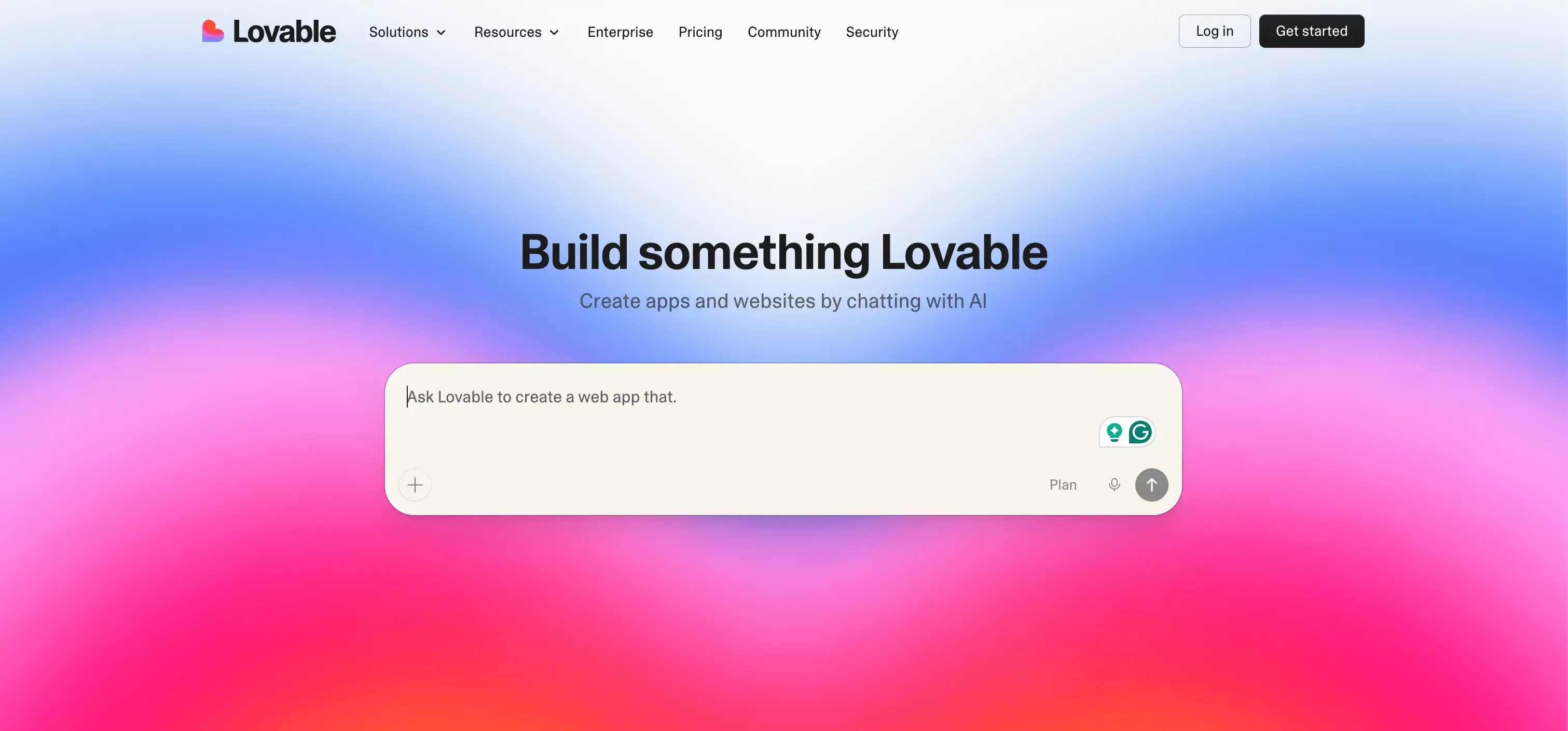 Lovable is a prompt-first AI app builder for apps, websites, and digital products. Compared with Buildy, it feels narrower but cleaner. It is not trying to be your strategist, your marketer, and your operator at the same time. It is mostly trying to help you build quickly.
That focus is exactly why it works well as a Buildy alternative. If you do not need the broader business-builder layer, Lovable is one of the easiest tools to justify.
Best for
Founders and small teams who want fast MVPs, web apps, and internal tools through a clean prompt-first workflow.
Pros
- Very simple and modern AI-native experience
- Good fit for MVPs and quick product experiments
- Lower friction than older no-code platforms
- Paid entry point is still reasonable
Cons
- Less broad than Buildy in business workflow scope
- Better for fast output than for deeper product architecture
- Costs can still rise as projects get larger and more active
Pricing
| Plan | Price |
|---|---|
| Free | $0/mo |
| Pro | $25/mo |
| Business | $50/mo |
| Enterprise | Custom |
4. Softr
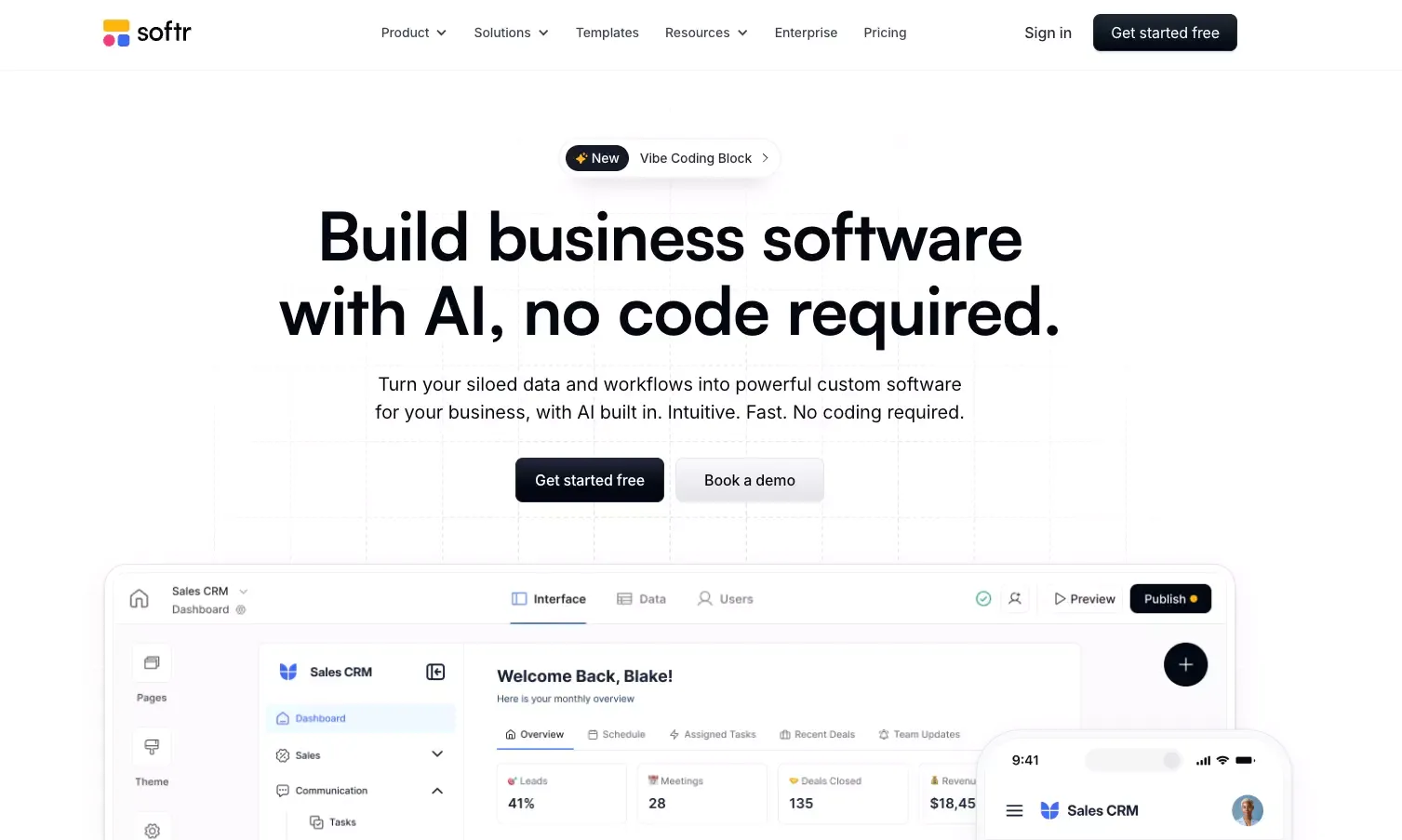 Softr is one of the best alternatives if your real job is building business software, not launching a startup product from scratch. It is built around portals, internal tools, dashboards, and apps connected to existing data sources. This is why I rank it high. It does not try to be everything.
Best for
Client portals, dashboards, internal tools, membership areas, and business apps built on top of existing data.
Pros
- Excellent fit for portals and internal business software
- Easier for non-technical teams than most product-oriented builders
- Strong data-source story
- More focused and practical than many founder-oriented AI builders
Cons
- Less suitable for highly custom SaaS products
- Not the best fit if your product needs unique front-end behavior
- Better for operational software than for ambitious consumer-facing apps
Pricing
| Plan | Price |
|---|---|
| Free | $0/mo |
| Basic | $49/mo |
| Professional | $139/mo |
| Business | $269/mo |
5. Adalo
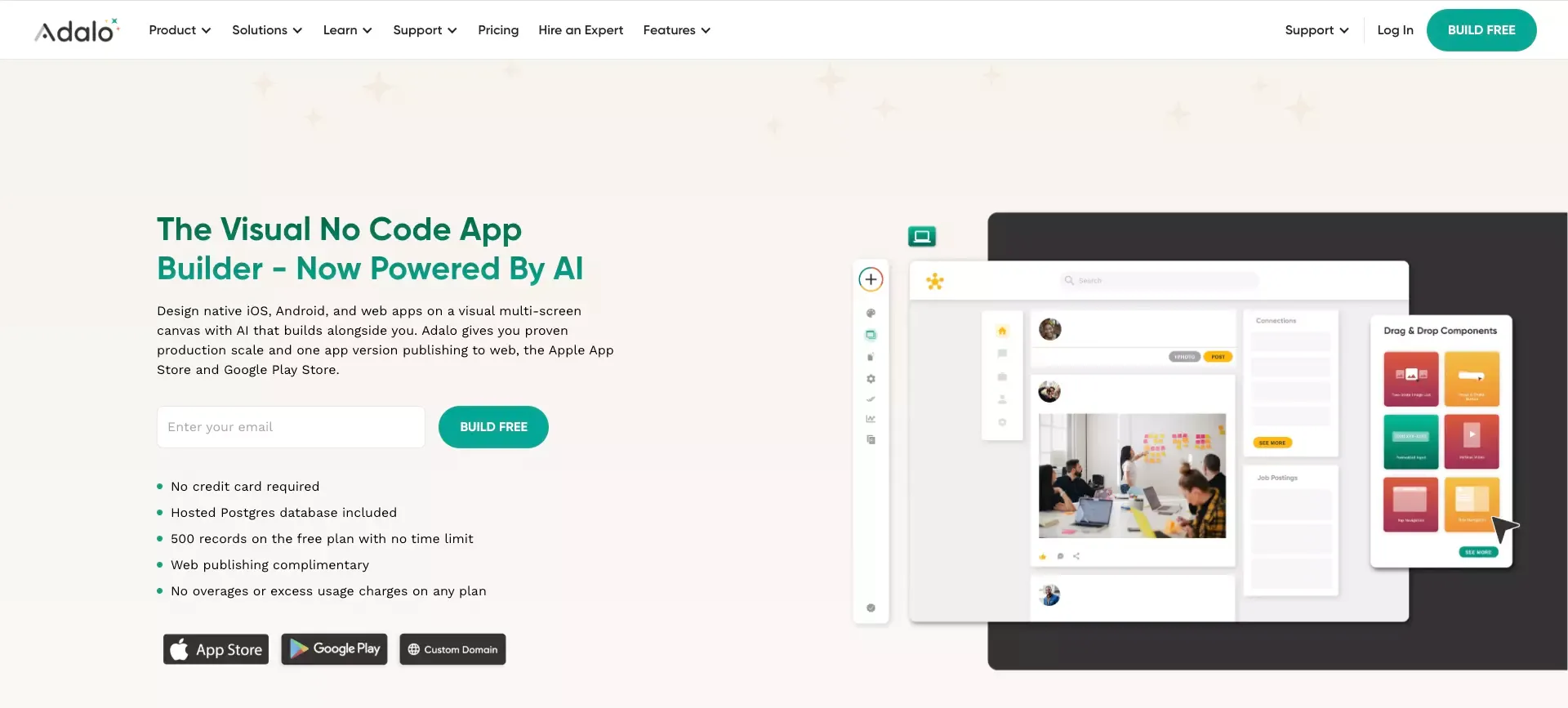 Adalo makes the most sense when mobile is central to the product. It is a visual no-code app builder for iOS, Android, and web apps, and it stays easier to understand than more technical cross-platform tools.
I would choose Adalo over Buildy when the goal is simple: get a mobile app out without overcomplicating the workflow.
Best for
Non-technical founders who want mobile app publishing from one visual workflow.
Pros
- Strong mobile-first positioning
- Easier to grasp than more advanced app-building platforms
- Flat-rate pricing is easier to budget than token-heavy tools
- Good fit for quick mobile launches and smaller products
Cons
- Less flexible for complex app logic
- Not the best option for a highly customized SaaS product
- Better for mobile-first simplicity than for long-term product depth
Pricing
| Plan | Price |
|---|---|
| Free | $0/mo |
| Starter | $36/mo |
| Higher plans | Custom / plan-based |
6. Bolt
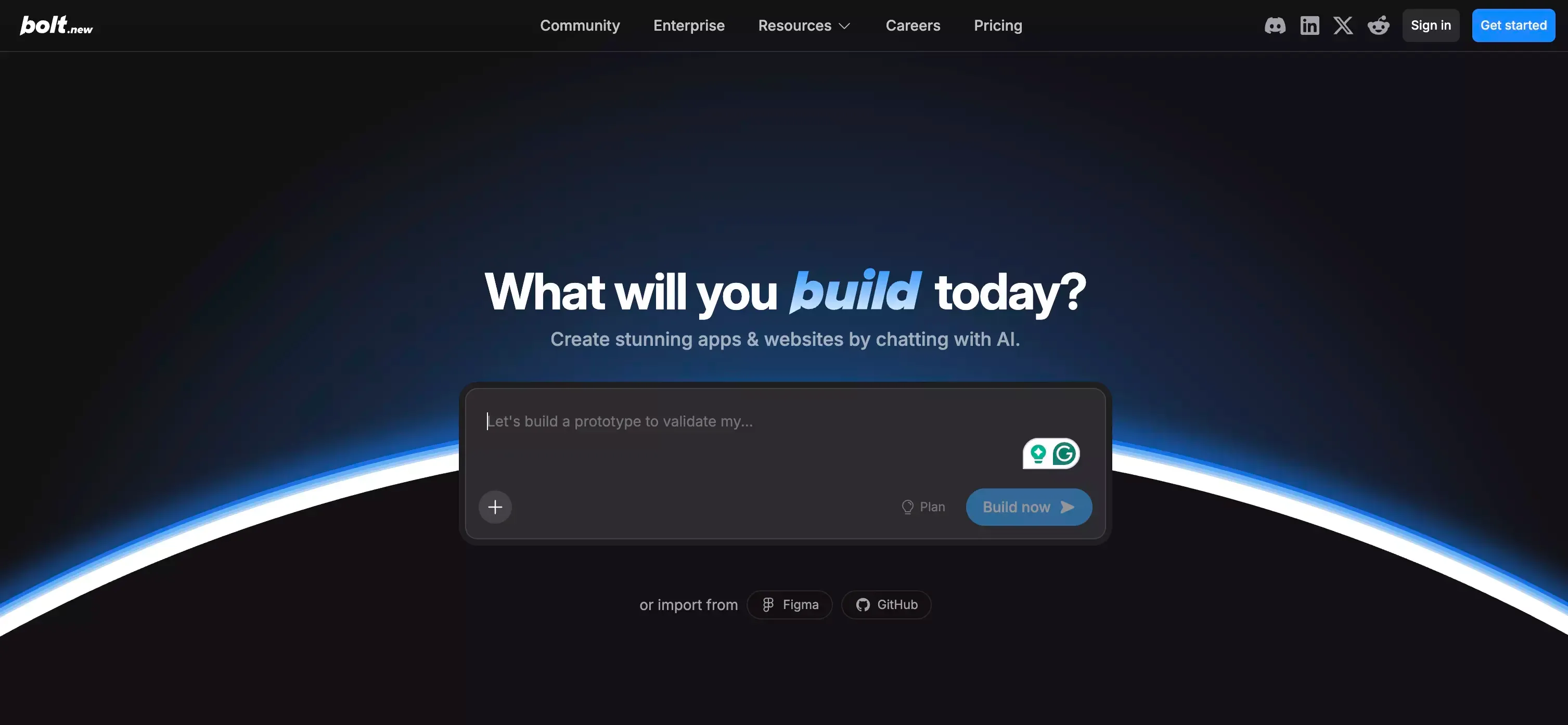 Bolt is one of the best Buildy alternatives if you care most about speed. Its appeal is straightforward: prompt in, working website or app out, then publish fast.
I see Bolt as the “move now” option. If your main frustration with Buildy is not that it lacks business breadth, but that you want faster build-and-ship loops, this Bolt review is a very natural next read.
Best for
Founders, freelancers, and agencies who want rapid prototyping and quick website or app launches.
Pros
- Very fast path from idea to working project
- Good fit for agencies and fast-moving builders
- Includes hosting, domains, and database support in the workflow
- Cleaner choice when speed matters more than orchestration
Cons
- Narrower than Buildy on the business side
- Token usage still matters
- Better for fast output than for deeper long-term product systems
Pricing
| Plan | Price |
|---|---|
| Free | $0/mo |
| Pro | $25/mo |
| Teams | $30/user/mo |
| Enterprise | Custom |
7. Replit
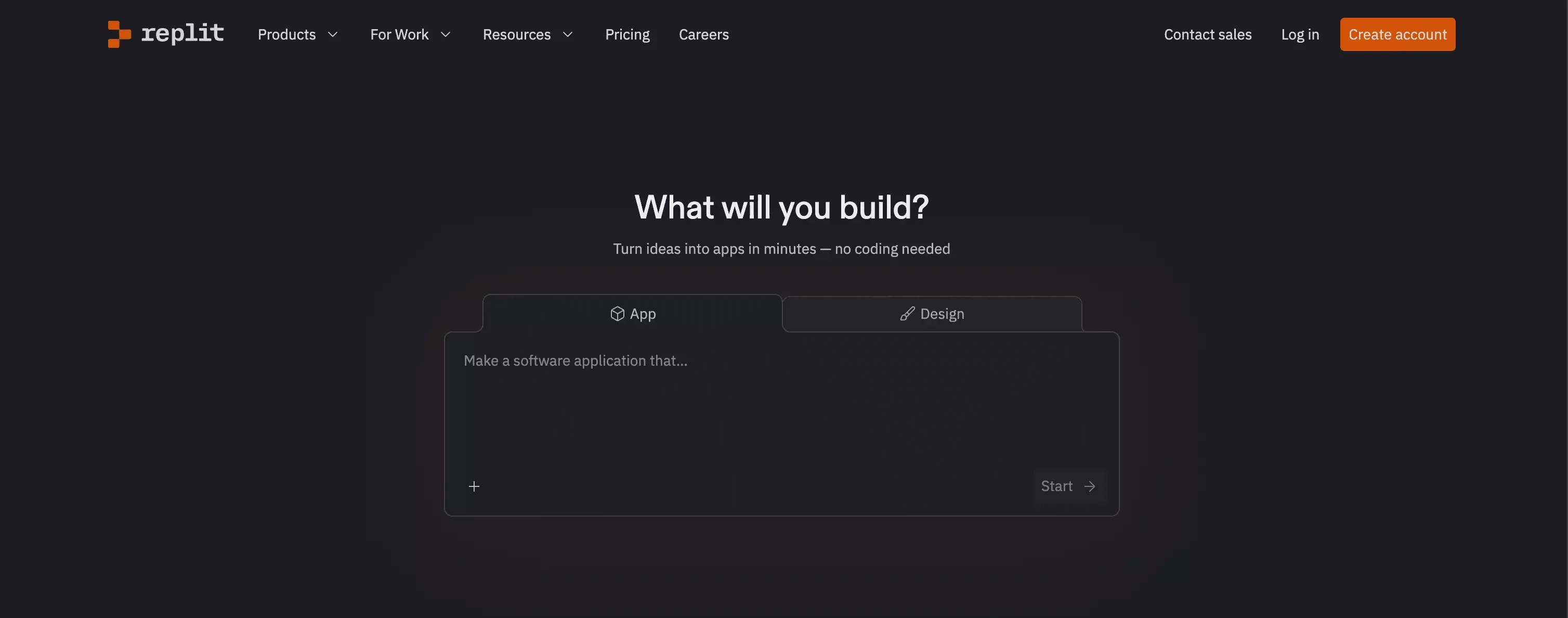 Replit is the best option in this list if you want AI help without fully committing to a no-code mindset. It lets you build with AI, but it also keeps you much closer to a developer workflow.
That makes Replit a smart Buildy alternative for people who suspect they will eventually want more control, more code access, and a more traditional app-building environment.
Best for
Builders who want AI assistance now but expect to move closer to code, collaboration, and deployment workflows over time.
Pros
- Strong bridge between AI generation and real coding
- More future-proof for technical growth than pure no-code tools
- Good fit for founders who may outgrow guided builders
- Clearer transition path from idea to production code
Cons
- Less beginner-friendly than Buildy, Softr, or Adalo
- Commercial use gets expensive faster than the headline entry point suggests
- Requires more comfort with technical workflows
Pricing
| Plan | Price |
|---|---|
| Starter | Free |
| Core | $25/mo or $20/mo billed annually |
| Pro | $100/mo or $95/mo billed annually |
| Enterprise | Custom |
8. FlutterFlow
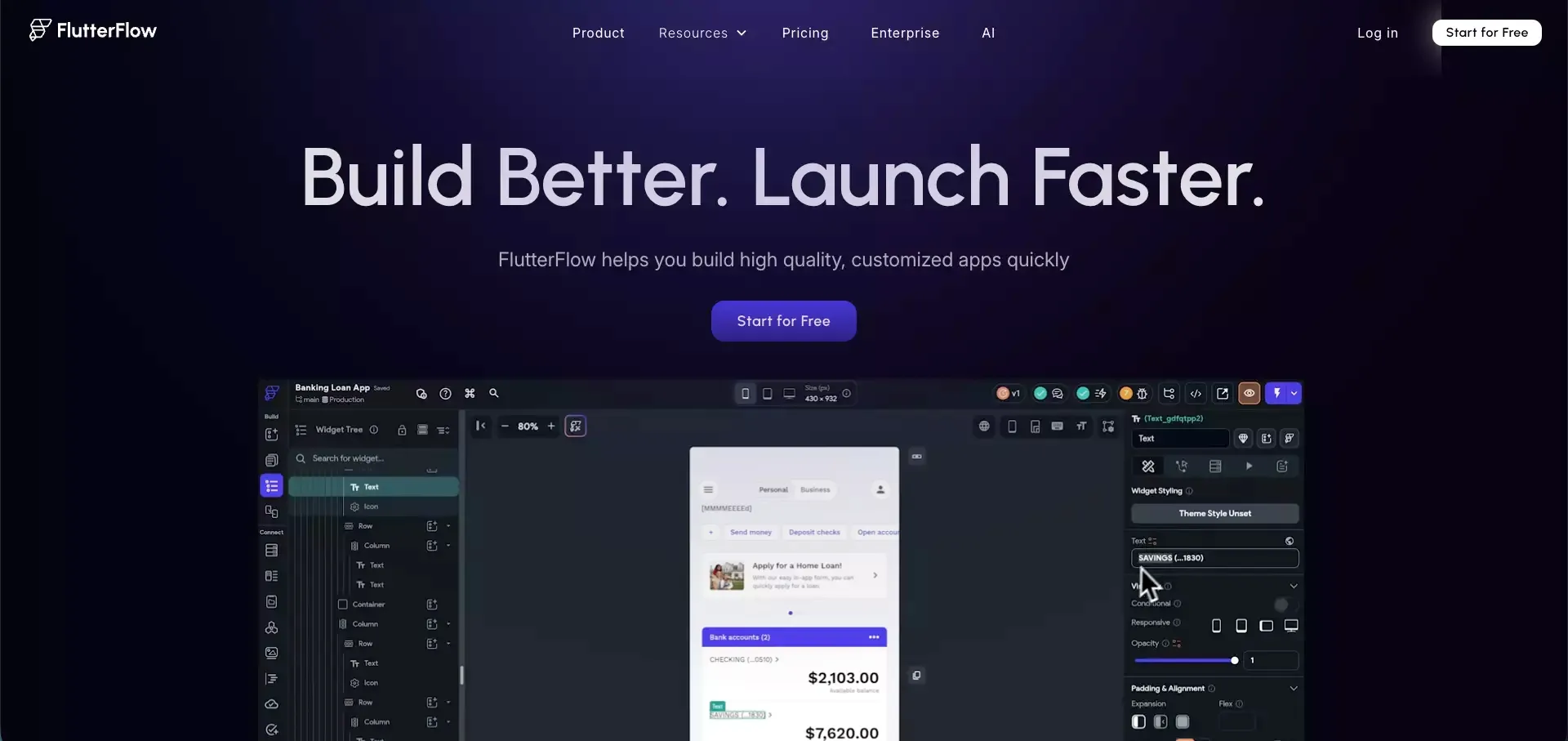 FlutterFlow is the strongest alternative here for teams that want more control over cross-platform app building. It combines visual development with APIs, Firebase or Supabase workflows, code export, and mobile-first seriousness.
Compared with Buildy, it is much less about founder guidance and much more about app structure and customization.
Best for
Teams building mobile or cross-platform apps that need more customization, code ownership, and longer-term flexibility.
Pros
- Very strong for cross-platform app workflows
- Better than lighter no-code tools when structure matters
- Code export makes it more future-friendly
- Stronger mobile depth than most alternatives in this list
Cons
- More demanding for beginners
- Less approachable than Adalo for first-time builders
- Team pricing rises once you move beyond solo use
Pricing
| Plan | Price |
|---|---|
| Free | $0/mo |
| Basic | $39/mo |
| Growth | from $80 for the first seat |
| Business | from $150 for the first seat |
9. v0
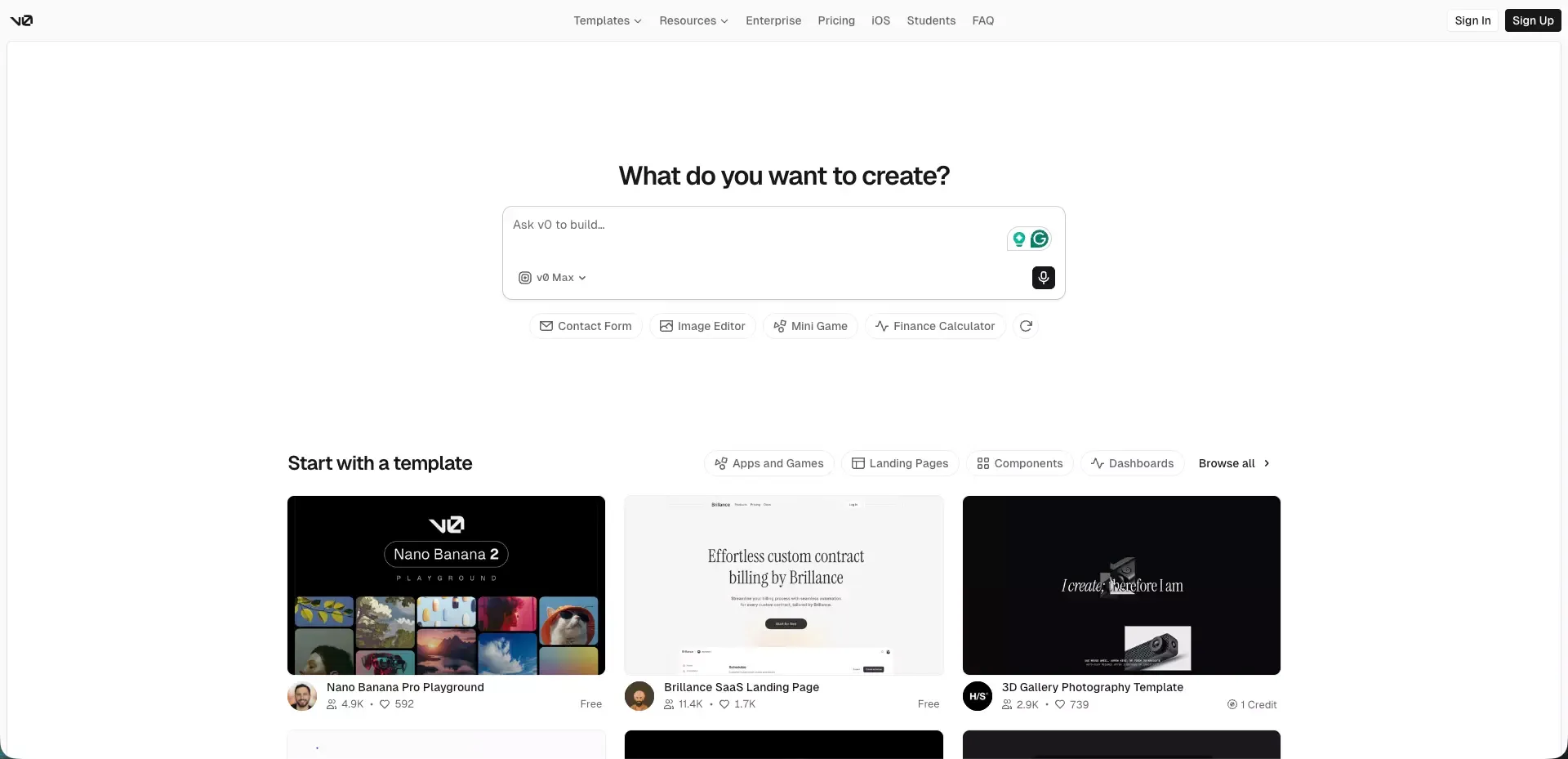 v0 is best understood as a web product builder, not a broad founder platform. It is especially attractive if you already like the Vercel way of working and want AI to accelerate web app generation, UI iteration, and repo-based shipping.
That makes it a better choice for web teams than for users who want Buildy’s wider “business builder” framing.
Best for
Designers, front-end teams, and technical founders building web apps and websites with a Vercel-style workflow.
Pros
- Strong fit for web product work
- Good repo and deployment alignment
- Better than Buildy for Vercel-native teams
- Clearer choice when UI-heavy web output is the main goal
Cons
- More web-product-centric than founder-centric
- Less relevant if you want broad business setup guidance
- Team and business usage become expensive quickly
Pricing
| Plan | Price |
|---|---|
| Free | $0/mo |
| Premium | $20/mo |
| Team | $30/user/mo |
| Business | $100/user/mo |
| Enterprise | Custom |
How to choose the right Buildy AI alternative
If you want the closest overall replacement
Choose Atoms. It is the best fit if you liked Buildy’s broad ambition but want a stronger path toward a real product through an AI app builder workflow.
If you want more no-code power
Choose Bubble. It is the best option here when control matters more than simplicity, especially if you are comparing it against other no-code app builders.
If you want speed above all
Choose Lovable or Bolt. Lovable is the cleaner prompt-first choice. Bolt is the better “ship fast” choice, especially if you mainly want an AI prototype generator style workflow.
If you want portals or internal tools
Choose Softr. It is the most practical business-app builder in this list, particularly for teams that care about an AI dashboard builder type of setup.
If you want a mobile-first workflow
Choose Adalo or FlutterFlow. Adalo is easier. FlutterFlow is stronger.
If you want to stay closer to code
Choose Replit or v0. Replit is the better bridge into coding. v0 is the better web-product choice if you already like the Vercel ecosystem and want something closer to an AI coding assistant.
Final verdict
If I had to recommend just one Buildy AI alternative to most founders, I would choose Atoms.
Not because it looks most similar on the surface, but because it solves the same broader problem in a cleaner way. It helps founders go from idea to a real product without forcing them into the usual sprawl of separate tools too early, whether that means using an app and website builder or shipping your startup’s first landing page with AI.
That said, the best Buildy alternative is not always the most similar one. It is the one that fits the job you actually need done right now. If that job is product depth, go to Bubble. If it is speed, go to Lovable or Bolt. If it is portals and internal software, go to Softr. If it is mobile, go to Adalo or FlutterFlow. If it is code flexibility, go to Replit or v0.
That is the real decision. Not “which tool sounds most like Buildy,” but “which tool matches what I need next.”
