
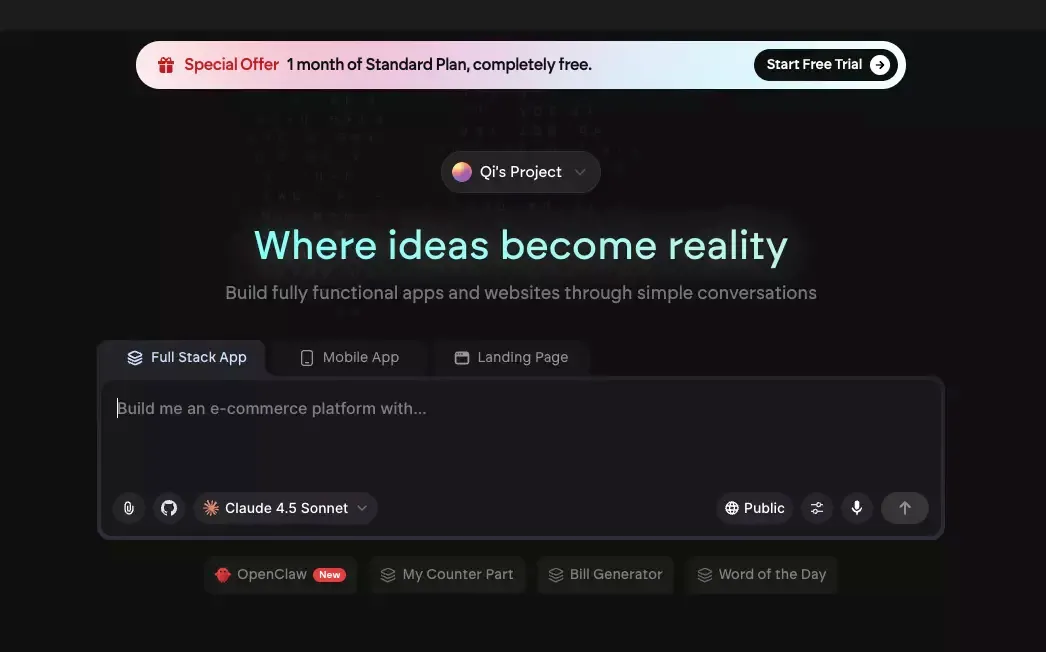
 If you are searching for an Emergent alternative, you are probably not looking for a random list. You are trying to answer a more practical question: which AI builder actually fits the way you want to build?
That is the real question.
Emergent is not a weak product. It is positioned as a full-stack, agentic builder that can design, code, and deploy production-ready apps through conversation. It supports web and mobile projects, GitHub integration, and a workflow built around AI agents. So this is not just a toy prompt box.
Still, good does not mean best for everyone.
Some builders want more visual control. Some want cleaner GitHub workflows. Some care more about backend depth. Others care about shipping SEO pages, custom domains, analytics, and revenue flows, not just generating code.
This is why the comparison matters. The right alternative depends less on hype and more on what happens after the first build.
Why People Start Looking for Emergent Alternatives
Where Emergent works well
Emergent is appealing for a reason. It offers a fast route from prompt to product, and it is designed to reduce the usual friction between idea, build, and deployment.
For non-technical founders, that matters a lot. For lean teams, it matters even more.
Where teams start to look elsewhere
The problem is not that Emergent fails. The problem is that different builders need different kinds of control.
Some people want stronger website and launch workflows. Some want more flexible code ownership. Some want a more developer-native environment. Others want a more visual no-code setup.
That is why “Emergent alternatives” should not be treated as one flat category. These tools may overlap on the surface, but they solve different problems underneath.
How I Evaluated the Best Emergent Alternatives
I used a simple framework.
Product-level criteria
Build speed and iteration quality
How fast can I go from idea to something usable?
Not just a screen. Not just a demo. Something I could actually test, ship, or show to users.
Code ownership and portability
Can I sync with GitHub? Can I export code? Can I move elsewhere later if the product grows?
This matters more than most people think. Lock-in feels small at the start, then becomes very real later.
Backend depth and integration support
Does the platform handle auth, database, storage, APIs, deployment, and common integrations well?
This is often where AI builders stop feeling magical and start feeling practical.
Long-term maintainability
Can this tool still make sense after the project becomes real?
A lot of products are impressive in week one. Fewer still feel good in month three.
Buyer-fit criteria
Best for non-technical founders
Can someone move quickly without having to understand infrastructure?
Best for product teams
Does the workflow support iteration, collaboration, and launch readiness?
Best for developers
Does the tool fit real development habits, or does it become awkward once the project grows?
Best Emergent Alternatives at a Glance
If I had to summarize the shortlist simply, this is how I would frame it:
- Atoms is one of the strongest options for teams that care about idea-to-launch speed, SEO pages, launch workflows, Stripe-ready monetization, GitHub sync, and product-minded execution.
- Lovable is worth trying if you want one of the cleanest prompt-first full-stack builders, especially for users who want hosted backend support and a smoother path to deployment.
- Replit makes sense for more technical teams that want AI assistance inside a broader development environment.
- Bolt.new is strong for fast browser-based app building with hosting, GitHub backup, and simple setup.
- Base44 is appealing for practical internal tools and lightweight business apps that need auth, payments, analytics, and APIs without too much friction.
- v0 stands out for UI-first and web-product teams that want a stronger repo-based workflow.
- Bubble still matters for teams that want visual no-code control more than code-first flexibility.
The Best Emergent Alternatives to Consider
Atoms

Why Atoms is worth considering early
If I were building a shortlist today, Atoms would be near the top.
What makes it stand out is that it is not framed only as a code generator. It is positioned more like an AI-powered development platform, with a multi-agent workflow that helps with planning, building, testing, and launching.
That changes the feel of the product.
A lot of tools help you generate an app. Atoms feels more focused on helping you turn an idea into something launchable.
Best fit for teams that want idea-to-launch speed with a more complete workflow
Atoms makes the most sense for founders and small teams who care about more than just app generation.
It is especially relevant if you care about things like:
- landing pages and SEO visibility
- GitHub sync and code export
- monetization and launch setup
- a faster path from rough concept to live product
This makes it a strong fit for SaaS apps, internal tools, and startup-style products where launch readiness matters just as much as build speed.
What to know before choosing Atoms
Atoms is opinionated. That can be a strength because it helps users move faster.
But if you already know you want a very specific engineering stack and do not want the platform shaping the workflow, you may prefer something more developer-native.
Even so, from a product and growth perspective, Atoms is one of the most compelling Emergent alternatives on this list.
Lovable
Where Lovable feels stronger than Emergent
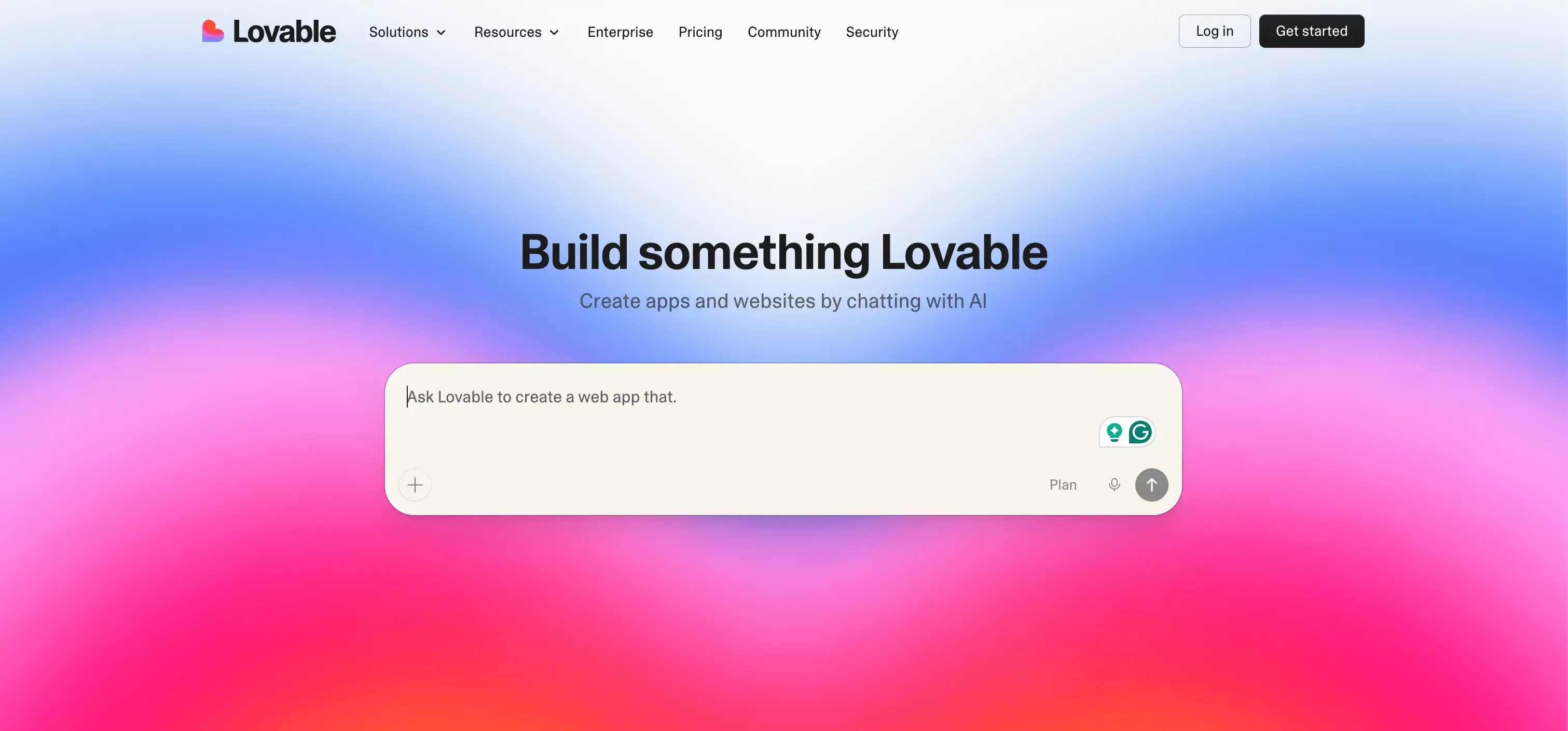
Lovable has done a good job of making the builder-to-deployment path feel clear.
It is one of the smoother options for people who want prompt-based full-stack building without having to assemble the stack by hand. The workflow is polished, and the platform does a strong job of reducing setup friction.
Best fit for fast full-stack experiments with a simple workflow
Lovable works especially well for:
- founders building MVPs quickly
- teams that want hosted backend support
- users who want GitHub to stay part of the workflow
- people who want a fast route to something functional without touching too much infrastructure
It feels like a product built around momentum.
Trade-offs to keep in mind with Lovable
If you want deeper visual logic control, Bubble may still be stronger.
If you want a more repo-native, developer-first workflow, v0 or Replit may feel more natural.
But for simple, fast, prompt-to-product building, Lovable is one of the best alternatives in the category.
Replit
Why Replit appeals to more technical builders
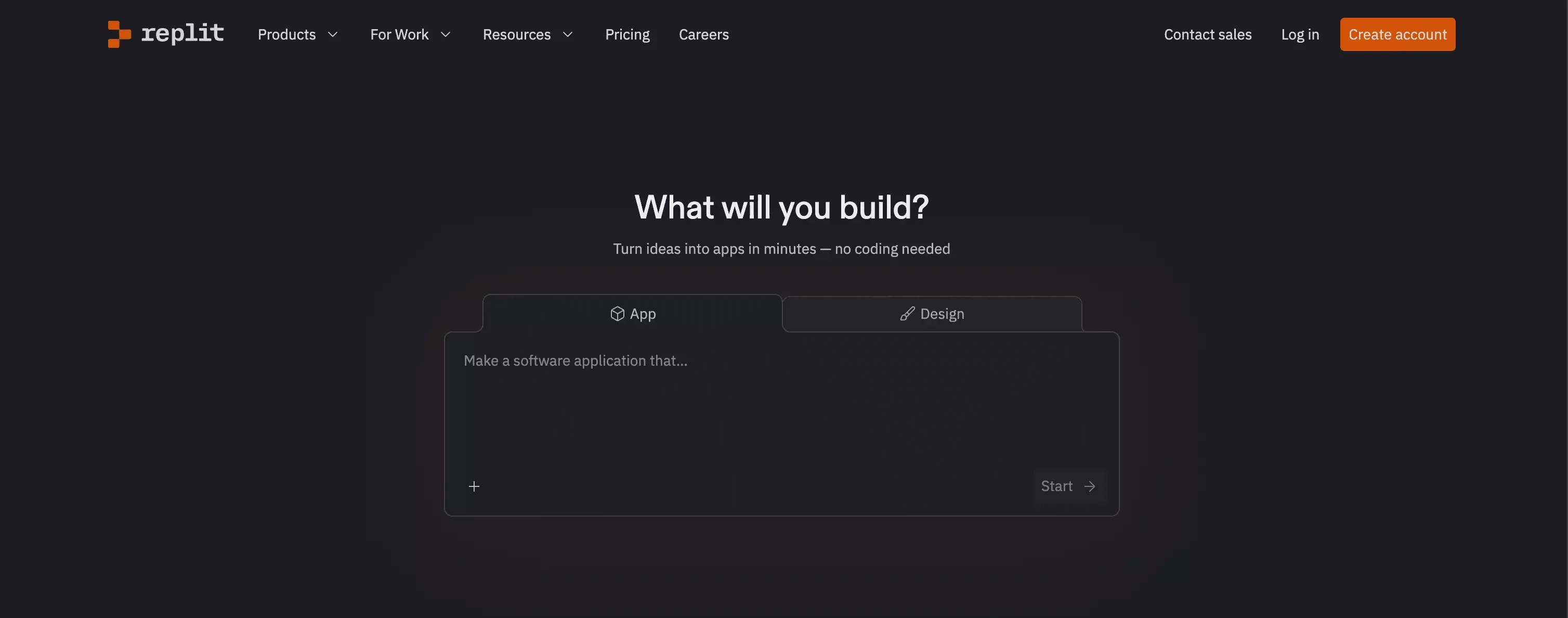
Replit is not just an AI builder. It is a broader software creation environment with AI layered into it.
That makes it feel different from most names on this list.
Instead of focusing only on generation, Replit feels more like a place where a real product can keep evolving after the first build.
Best fit for users who want more hands-on coding control
Replit makes the most sense for:
- technical founders
- startup teams with engineering involvement
- people who want AI help without giving up developer workflows
- products that may need more structure and collaboration over time
It is one of the best choices if you want a serious build environment, not just a quick prompt engine.
Trade-offs to keep in mind with Replit
Replit can feel like more platform than some users need.
If your main goal is a lightweight, beginner-friendly prompt-to-app workflow, Lovable or Bolt may feel simpler. If you want pure visual no-code, Bubble is easier to grasp.
Still, for teams that expect the product to grow, Replit is a strong option.
Bolt.new
Where Bolt.new stands out in fast app generation
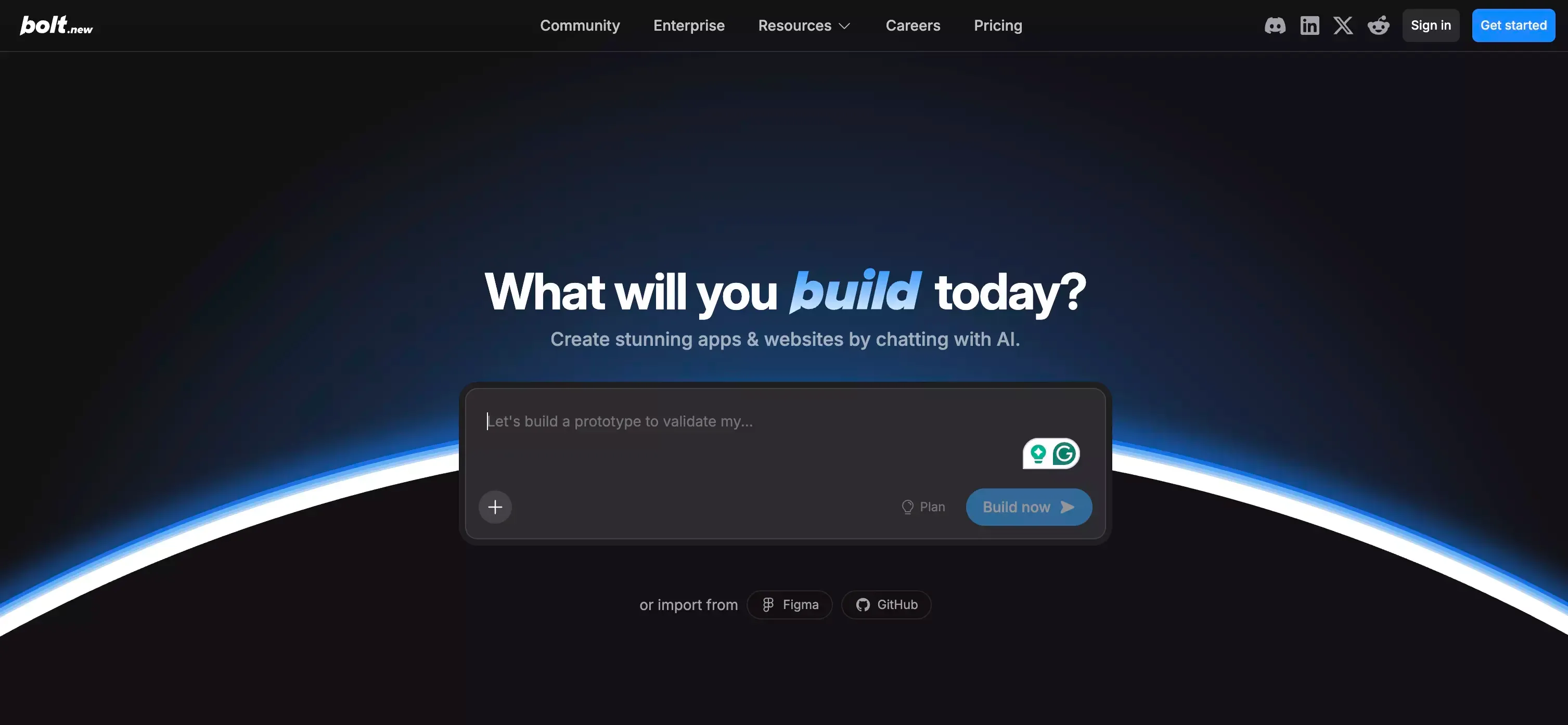
Bolt is one of the cleaner browser-based builders in this space.
It is fast, fairly straightforward, and designed to help users move from idea to usable app with less setup pain. It also does a good job of connecting the build process with hosting, domains, and GitHub backup.
Best fit for quick web app creation with minimal setup
Bolt is a strong fit for:
- solo builders who want speed
- teams working mainly in JavaScript web stacks
- people who want a browser-based workflow
- builders who want optional GitHub escape routes later
It is one of the more practical choices for getting something live quickly.
Trade-offs to keep in mind with Bolt.new
Bolt is narrower if your project depends on a more custom backend setup or a non-JavaScript stack.
It also does not offer the same visual business-user experience as Bubble.
But if speed, simplicity, and a browser-first workflow are the priority, Bolt deserves a place on the shortlist.
Base44
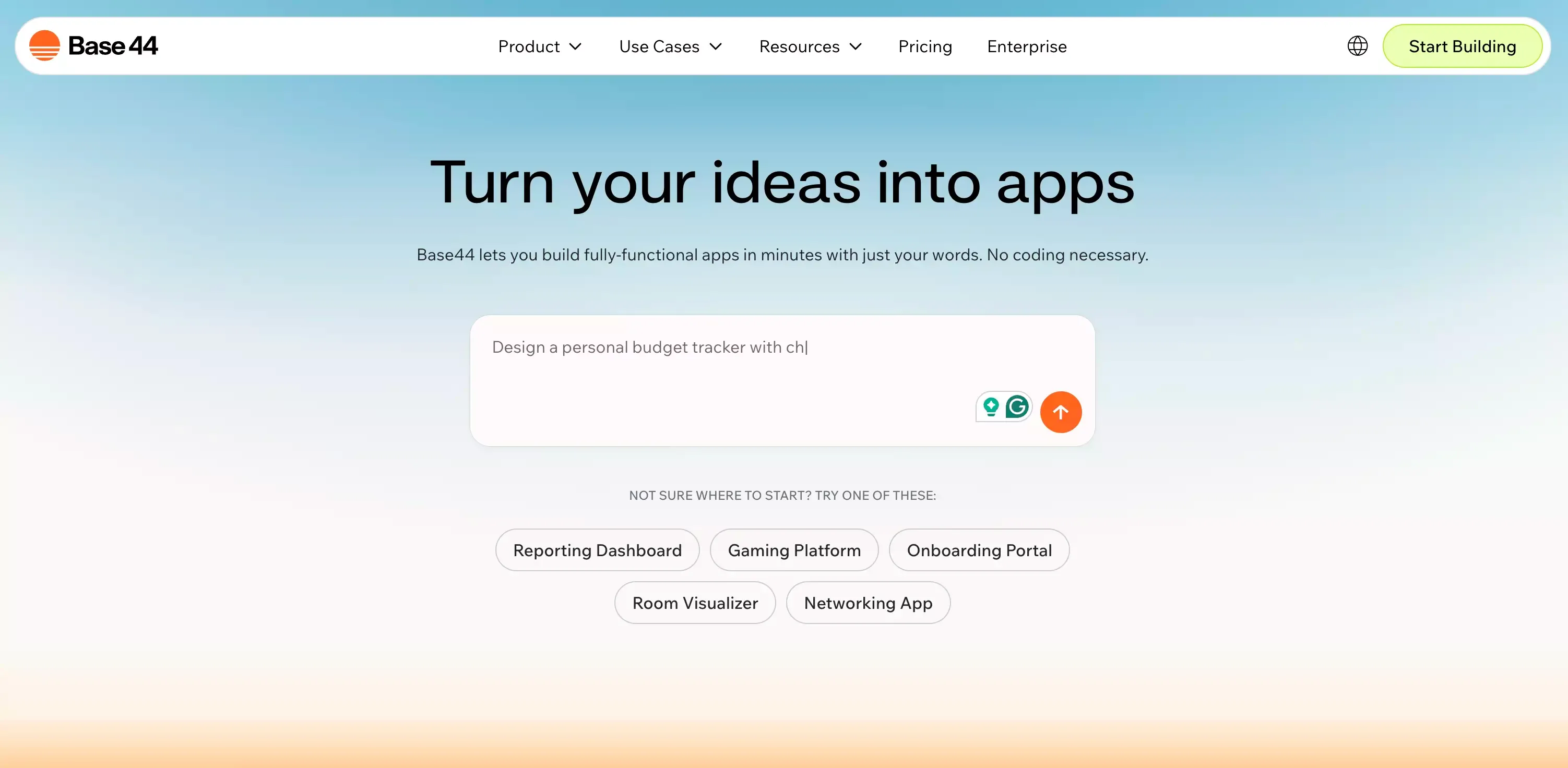
Why Base44 shows up in many current comparisons
Base44 is easy to overlook at first, but it has become a credible option for lightweight app building.
What makes it interesting is the way it combines fast generation with useful app features like auth, payments, analytics, APIs, and storage. That pushes it beyond simple front-end generation.
Best fit for lightweight app building and fast iteration
Base44 feels especially well suited for:
- internal tools
- dashboards
- portals
- lightweight SaaS ideas
- business apps where function matters more than polished design systems
It is practical. That is part of its appeal.
Trade-offs to keep in mind with Base44
Base44 is strong for fast execution, but it still feels less mature than the most developer-native tools when it comes to long-term engineering flexibility.
If repo-based development is central to how you work, v0 or Replit may still be a better fit.
v0
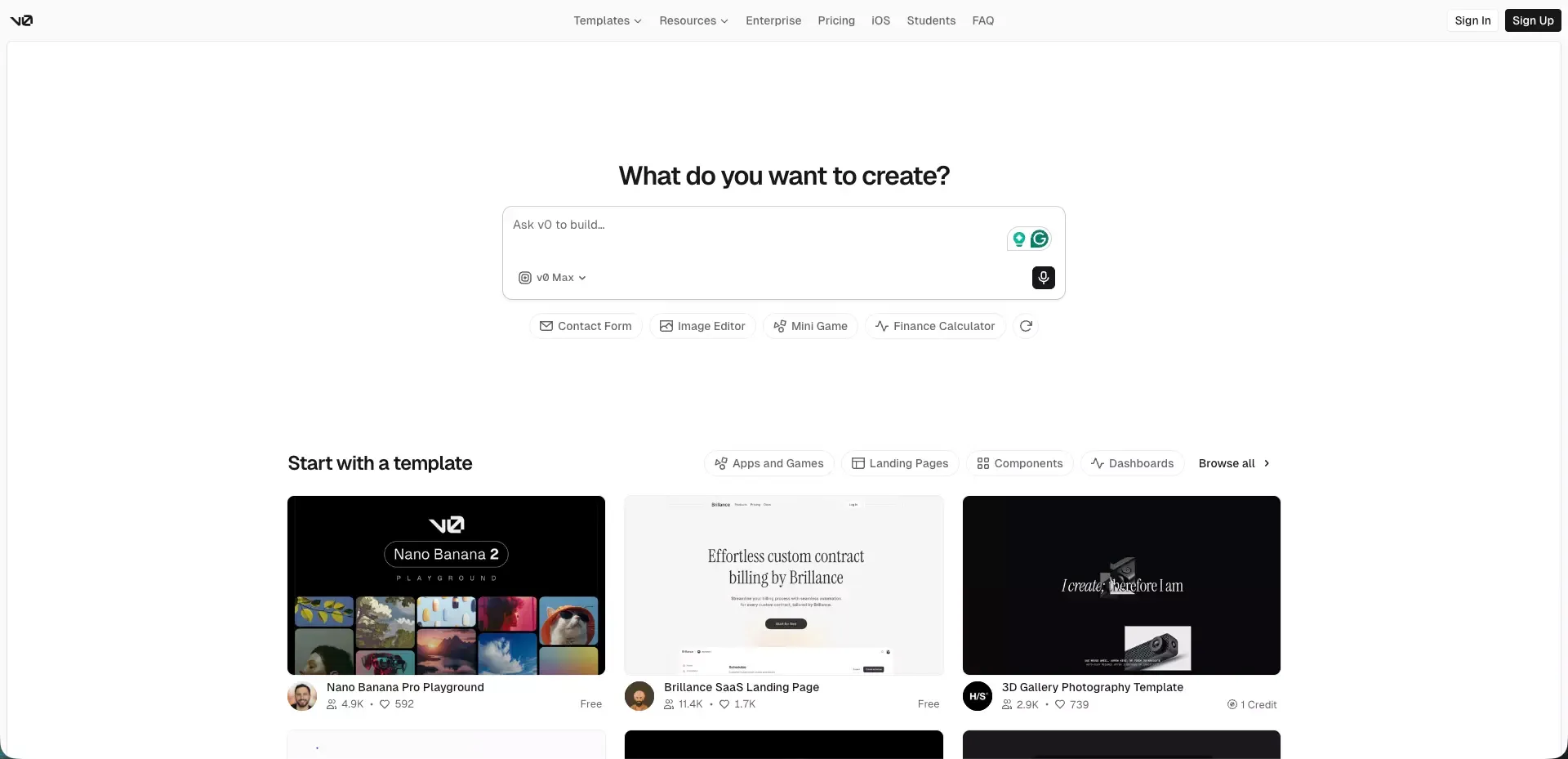
Where v0 works best in UI-first workflows
v0 is no longer just a UI generator. It has moved toward full web app creation, especially for teams already close to the Vercel ecosystem.
That makes it one of the most interesting Emergent alternatives for web-focused product teams.
Best fit for teams starting from interface generation
v0 is a strong choice for:
- teams building modern web products
- designers and developers working together
- users who care about UI quality early
- teams that want repo-based workflows and production-friendly handoff
If the product is web-first, design-sensitive, and likely to live in a modern frontend stack, v0 makes a lot of sense.
Trade-offs to keep in mind with v0
v0 is not always the easiest choice for someone who just wants a bundled, guided, all-in-one builder.
It shines more when the team already has some web development context. For less technical users, Lovable or Atoms may feel more accessible.
Bubble
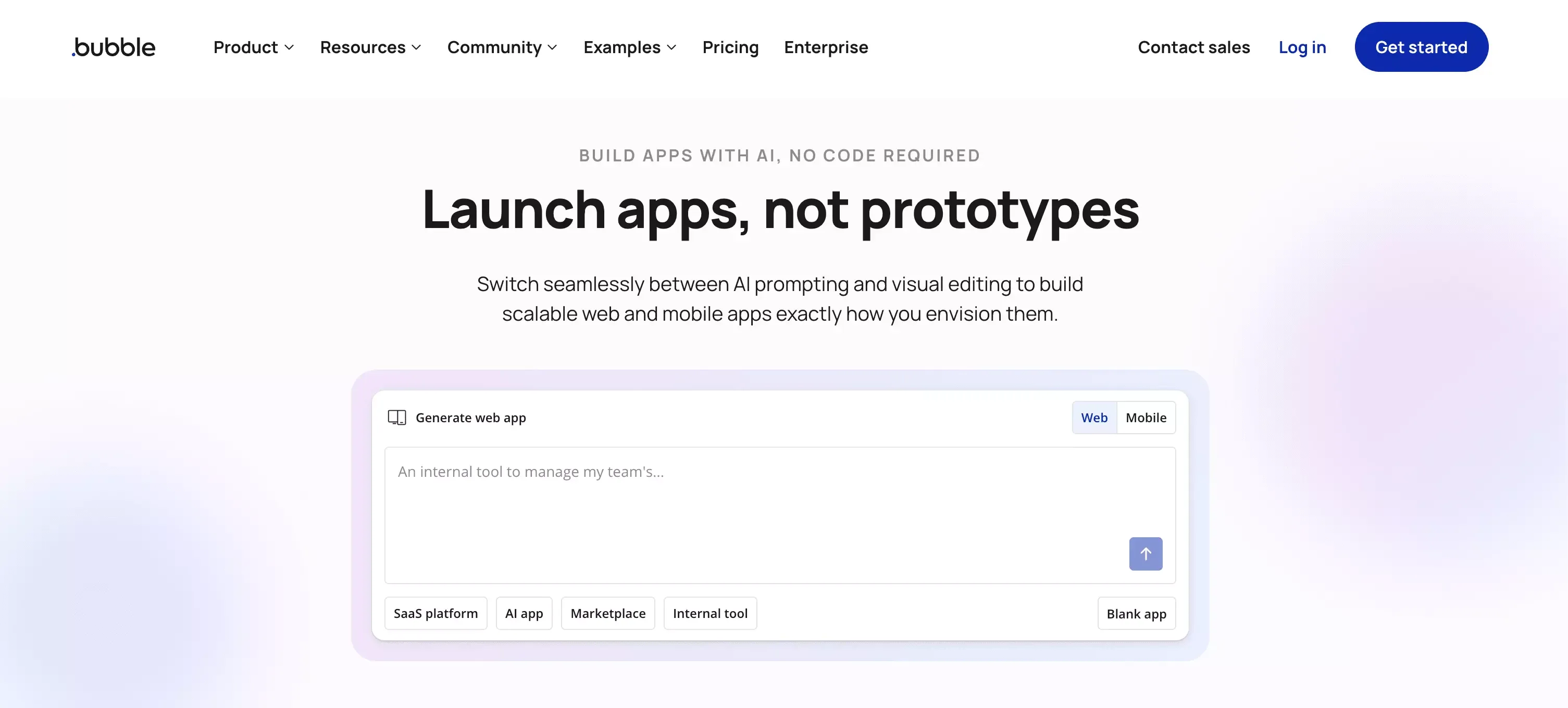
Why Bubble is still relevant in this conversation
Bubble is older than many AI-native builders, but that is part of why it still matters.
It offers a more visual model for building apps, with logic, data, hosting, and interface control all living inside the same environment. For many users, that is still easier to reason about than a prompt-first workflow.
Best fit for no-code teams building database-heavy web apps
Bubble remains a strong choice for:
- no-code founders
- operations teams
- marketplaces and internal systems
- web apps with complex workflows and structured data
- users who want to see and edit logic visually
That kind of control still matters.
Trade-offs to keep in mind with Bubble
Bubble is powerful, but it does not always feel as fast or lightweight as the newer prompt-first tools.
If your priority is speed to first version, some of the AI-native alternatives may feel more exciting. If your priority is visual control and structured no-code building, Bubble still earns its place.
Which Emergent Alternative Is Best for Your Use Case
Best for non-technical founders
When speed matters more than deep customization
I would start with AI app builder workflows from Atoms or with the smoother prompt-first experience covered in the Lovable review.
Atoms feels stronger when the goal is not just building an app, but launching something with better support for growth-oriented workflows. Lovable feels stronger when the goal is a smooth prompt-to-full-stack experience with less setup friction.
Best for launching real products
When backend, auth, deployment, and long-term growth matter
I would look closely at Atoms, Replit, and Lovable.
These options feel more credible once the product moves beyond the first demo and into actual use, especially if you also care about coding agents, AI code generator workflows, and a repeatable build your product launch page with AI motion.
Best for developers who want editable code
When control matters more than abstraction
I would lean toward Replit or v0.
Both make more sense when engineering workflow, repo quality, and long-term maintainability are priorities. Teams that want more builder support around code can also compare an AI coding assistant with an online code editor workflow.
Best for internal tools and operations workflows
When integrations and workflow logic drive the decision
Base44 and Bubble both make sense here, though for different reasons.
Base44 is faster and more lightweight. Bubble gives more visual control and structured no-code power. If the main job is shipping dashboards or admin surfaces quickly, an AI dashboard builder can be a useful benchmark.
How to Choose the Right Emergent Alternative
Questions to ask before switching
Do you need full code ownership?
If yes, prioritize tools with clear GitHub sync, export, or repo-based workflows.
Do you need backend flexibility?
If the product depends on auth, storage, APIs, and integrations, make sure the platform handles more than front-end generation.
Do you care more about speed or maintainability?
Fast generation feels great on day one. Maintainability matters on day thirty.
Will this stay a prototype or become a real product?
That one question filters out a lot of bad decisions.
FAQs About Emergent Alternatives
What is the best Emergent alternative for beginners?
For most beginners, Lovable and Atoms are two of the easiest places to start. They reduce setup complexity and make the overall workflow easier to follow. If the real goal is launching faster, it also helps to compare build your SaaS landing page with AI and build your startup's first landing page with AI use cases.
Which Emergent alternative gives you more control over the final product?
If code control matters most, Replit and v0 are among the strongest choices. If visual no-code control matters more, Bubble is still a leading option.
Which option is better for production apps instead of quick prototypes?
That depends on how your team works, but Atoms, Replit, and Lovable all feel more credible for products that are meant to keep growing after launch. For early validation, an AI prototype generator or AI startup idea validator can also help narrow the right path.
Are there Emergent alternatives with simpler pricing?
Some alternatives offer more approachable entry points, but pricing changes often. The smarter move is to compare not just the headline plan, but what is included around hosting, backend, collaboration, and export.
What should you check before migrating away from Emergent?
Check five things first:
- code portability
- backend support
- deployment flow
- collaboration model
- whether the product is really meant to be a prototype or a business
Final Thoughts
The best Emergent alternative depends on what you actually need to control.
If you want the strongest idea-to-launch path, Atoms stands out.
If you want a smooth prompt-to-full-stack workflow, Lovable is one of the best choices.
If you want a more developer-shaped environment, Replit and v0 deserve serious attention.
If you want speed with practical setup built in, Bolt and Base44 are both worth a look.
If you want visual no-code control, Bubble remains relevant.
The real mistake is not choosing the wrong tool. The real mistake is choosing based only on the first demo output.
What matters is what happens next: auth, deployment, pricing, analytics, collaboration, SEO, maintainability, and whether the product still makes sense once real users show up.
That is where the good builders separate themselves from the noise.
 Posts
Posts 