
 Bubble is still one of the strongest no-code platforms in the market. That is exactly why so many people search for a Bubble alternative. They are usually not looking for a weaker tool. They are looking for a better fit.
After reviewing the leading options, my conclusion is simple: there is no single best Bubble alternative for everyone. The right choice depends on what you are building, how much control you need, and what matters most after the MVP stage.
Some tools are better for internal tools. Some are stronger for mobile apps. Some offer more frontend freedom. And a newer group is trying to win with AI-first workflows instead of traditional visual builders.
If I were choosing today, I would not start with a giant feature checklist. I would start with one question:
What are you actually building, and what will matter more six months from now: speed, control, scalability, or simplicity?
That question usually gets you to the right answer faster than any template library.
Why People Look for a Bubble Alternative
There are a few recurring reasons people move beyond Bubble.
Pricing can become harder to predict
Bubble can be cost-effective early on, but pricing tends to feel less straightforward as usage grows. If your app becomes more active, cost predictability becomes a real concern.
Some teams want more architecture control
Bubble is powerful because it gives you a lot in one place:
- visual editor
- workflows
- database
- hosting
- deployment
That convenience is real. But for some teams, it also creates limits. Over time, they may want:
- clearer frontend and backend separation
- more flexibility with infrastructure
- easier integration with an existing stack
- less dependence on one platform’s internal logic
Design flexibility matters more than people expect
This issue becomes obvious once a product moves beyond “good enough.” If your app needs to feel polished, highly branded, or less template-like, design freedom becomes a major factor.
Mobile-first teams often want different tools
If mobile is central to the product, not just a side requirement, Bubble may not feel like the natural starting point. Some teams are simply better served by tools that were built with app workflows in mind.
AI-first workflows are changing buyer expectations
A newer set of builders is winning attention by reducing setup time. Instead of building everything block by block, they start from prompts, briefs, or product ideas. That changes the decision process for founders who care most about speed.
How I Evaluated the Best Bubble Alternatives
I looked at each platform through the lens of actual product decisions, not just marketing claims.
The criteria I cared about most
| Criteria | Why it matters |
|---|---|
| Ease of use | A platform that is technically powerful but slow to operate can create drag for small teams |
| Frontend flexibility | Important for products that need strong UX and brand control |
| Backend and integration options | Critical for real apps, not just demos |
| Scalability and maintainability | What feels fast at launch can become painful later |
| Pricing clarity | Founders need fewer surprises, not more |
| Best-fit use case | The best tool is usually the one that fits the job, not the one with the longest feature list |
My overall lens
I tend to value platforms that are clear about what they are good at. A focused tool is often better than a broad one pretending to solve everything.
That is why this article is organized by use case, not by hype.
Quick Comparison of the Best Bubble Alternatives
Here is the short version.
| Platform | Best for | Main strength | Main tradeoff |
|---|---|---|---|
| Atoms | AI-assisted websites and lightweight apps | Fast build flow from a brief | Best for speed and iteration, not every deep custom build |
| WeWeb | Flexible web apps with your own backend | Strong frontend freedom | Less all-in-one than Bubble |
| FlutterFlow | Mobile-first products | Better fit for app workflows | Can be more technical |
| Softr | Portals and business apps | Fast setup for data-driven tools | Less flexible for complex products |
| Glide | Spreadsheet-based tools | Very fast to launch | Not ideal for every SaaS use case |
| Retool | Internal tools | Excellent for ops-heavy software | Not built for polished consumer products |
| Appsmith | Internal tools with more control | Open-source and extensible | Better for technical teams |
| Webflow | Design-led websites | Strong visual control and CMS | Not a full Bubble replacement for app logic |
| Adalo | Fast mobile MVPs | Easy path to mobile app creation | Better for simpler products |
| Lovable | Prompt-first MVP generation | Extremely fast idea-to-prototype flow | Product maturity still depends on you |
Atoms
Best for
AI-assisted websites, lightweight apps, and fast iteration from a plain-language brief.
Why I’d pick it
Atoms belongs in this conversation because it reflects where the category is moving. It is a good fit for teams that want to go from idea to working product faster, especially when the workflow starts with a concept, a use case, or a rough brief rather than a fully mapped system.
What makes it interesting is the product framing. Instead of acting like a classic visual builder, it leans into an AI-assisted workflow that helps reduce the gap between idea and execution.
I would look at Atoms for:
- fast AI website creation
- lightweight product MVPs
- AI app builder workflows
- early-stage experimentation
- teams that value iteration speed over heavy setup
What to watch out for
I would place Atoms in the AI-native builder category, not in the same bucket as internal-tool platforms or deeply architecture-driven app builders. That is not a weakness. It is just the right context.
WeWeb
Best for
Teams that want strong frontend freedom while keeping their own backend stack.
Why I’d pick it
WeWeb is one of the strongest alternatives if your problem with Bubble is not speed, but structure. It makes more sense for teams that want:
- a clearer frontend layer
- external APIs or databases
- a more modular app architecture
- less platform lock-in
This is a strong option when you want to build a serious web app but do not want everything tied to one system.
What to watch out for
It is not the same type of all-in-one experience as Bubble. That can be a strength, but it also means you need more clarity around your stack.
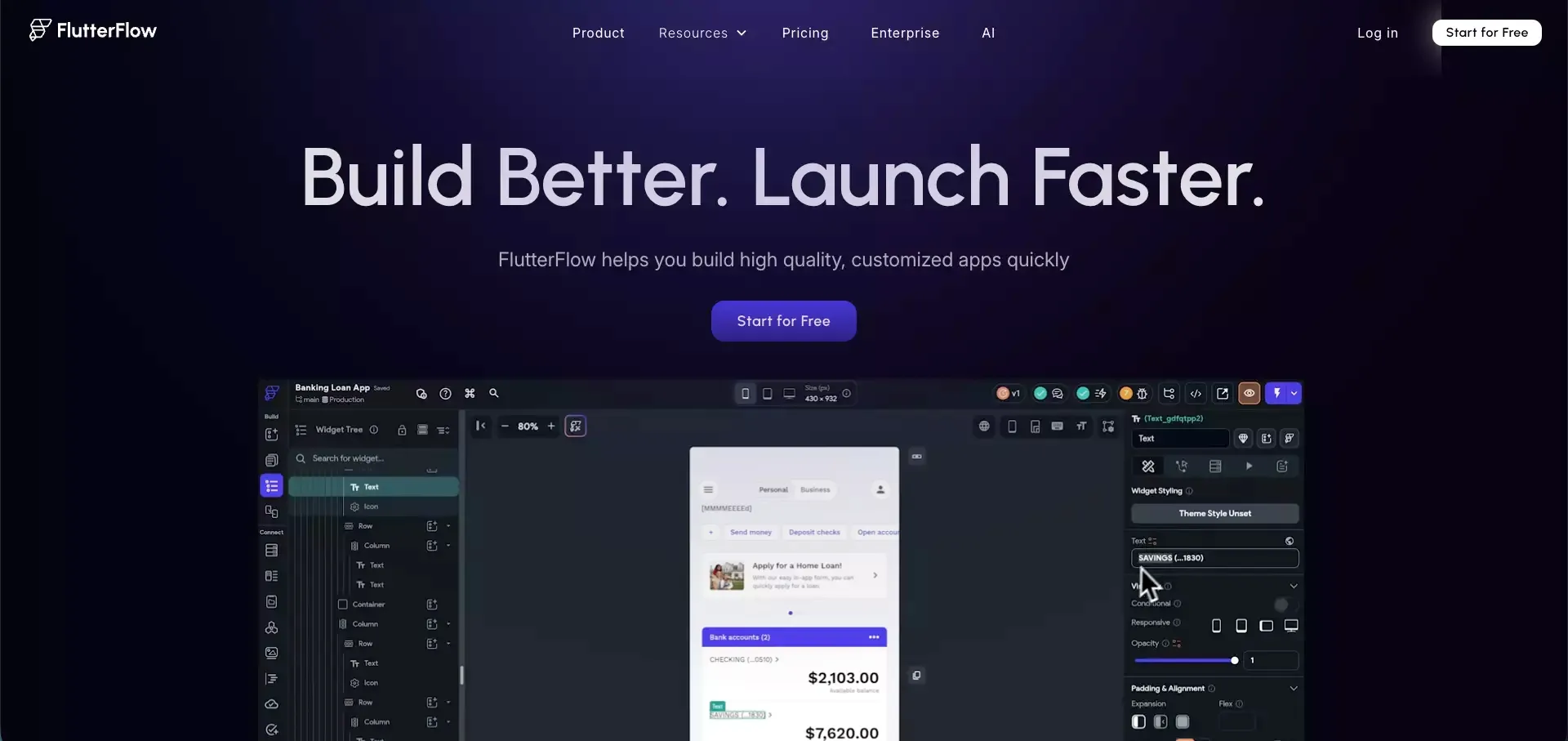
FlutterFlow
Best for
Teams building mobile-first products or apps that need to work across mobile, web, and desktop.
Why I’d pick it
If mobile is part of the core product strategy, FlutterFlow usually makes more sense than a general web-first no-code builder.
I would especially consider it for:
- startup apps with a mobile roadmap
- products where UI consistency across devices matters
- teams that want stronger app-oriented workflows
What to watch out for
It can feel less beginner-friendly than simpler no-code tools. The upside is that the ceiling is also higher for the right team.
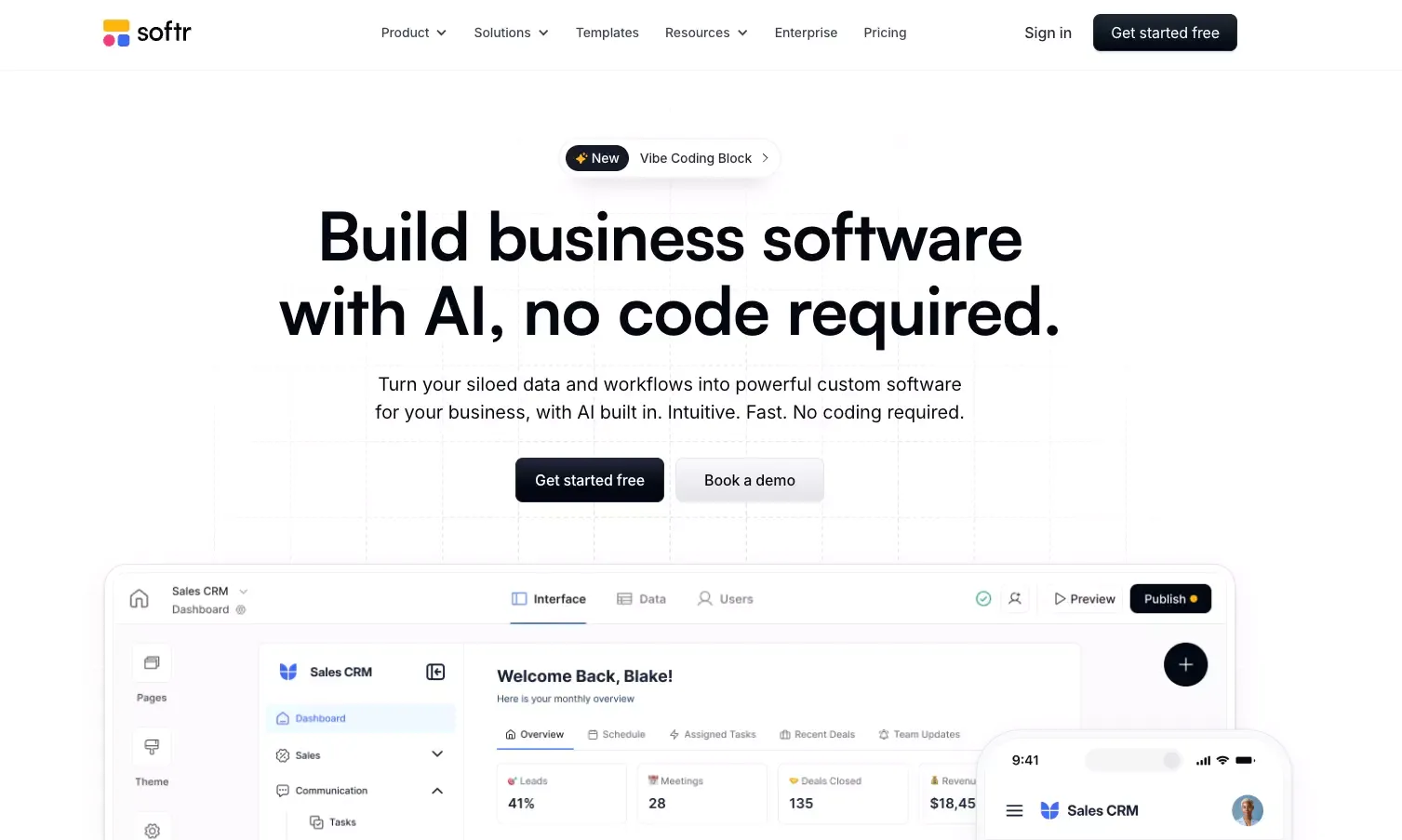
Softr
Best for
Client portals, partner portals, internal dashboards, and lightweight business apps.
Why I’d pick it
Softr is appealing because it does not try to be everything. It is strongest when the goal is to ship a useful business product fast.
I would look at Softr for:
- customer portals
- member areas
- internal tools
- dashboards
- data-driven web apps
What to watch out for
If the product needs deep product logic, advanced customization, or a highly differentiated UX, Softr may feel limiting over time.
Glide
Best for
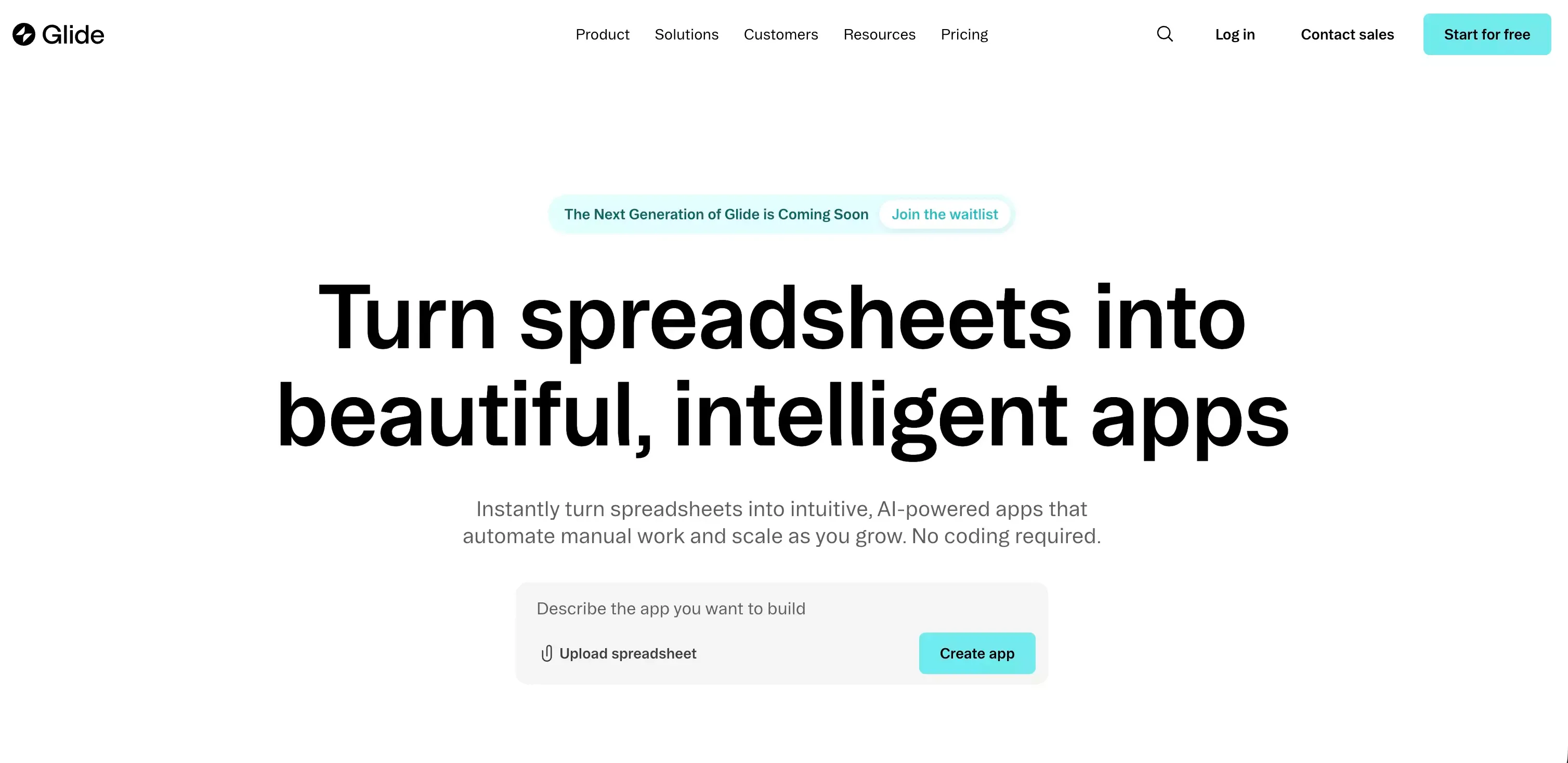
Spreadsheet-based apps and business tools that need to go live quickly.
Why I’d pick it
Glide still has one of the clearest value propositions in this category: take structured data and turn it into usable software fast.
It is especially strong for:
- operations tools
- field workflows
- internal business apps
- process automation
- tools built around tables and records
What to watch out for
Glide is excellent when the problem is operational. It is less convincing when the goal is a highly custom SaaS product with complex behavior.
Retool
Best for
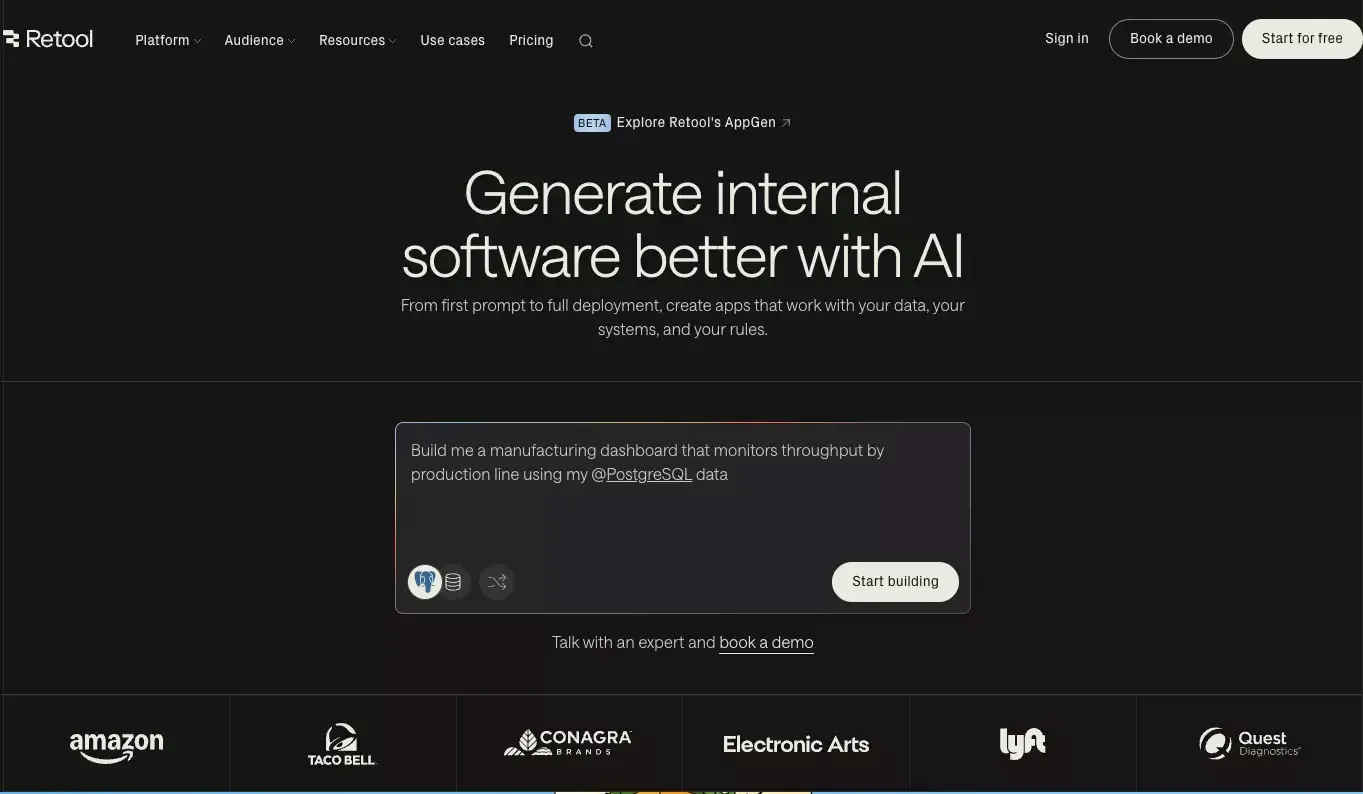
Internal software for operations, support, finance, and admin teams.
Why I’d pick it
Retool is one of the most grounded products in this space. It is not trying to be a magical no-code platform for everything. It is built for internal tools, and that focus is why it works.
I would pick Retool for:
- admin panels
- review queues
- support workflows
- internal dashboards
- ops-heavy tooling
What to watch out for
This is not the best choice if your priority is a polished, customer-facing product experience.
Appsmith
Best for
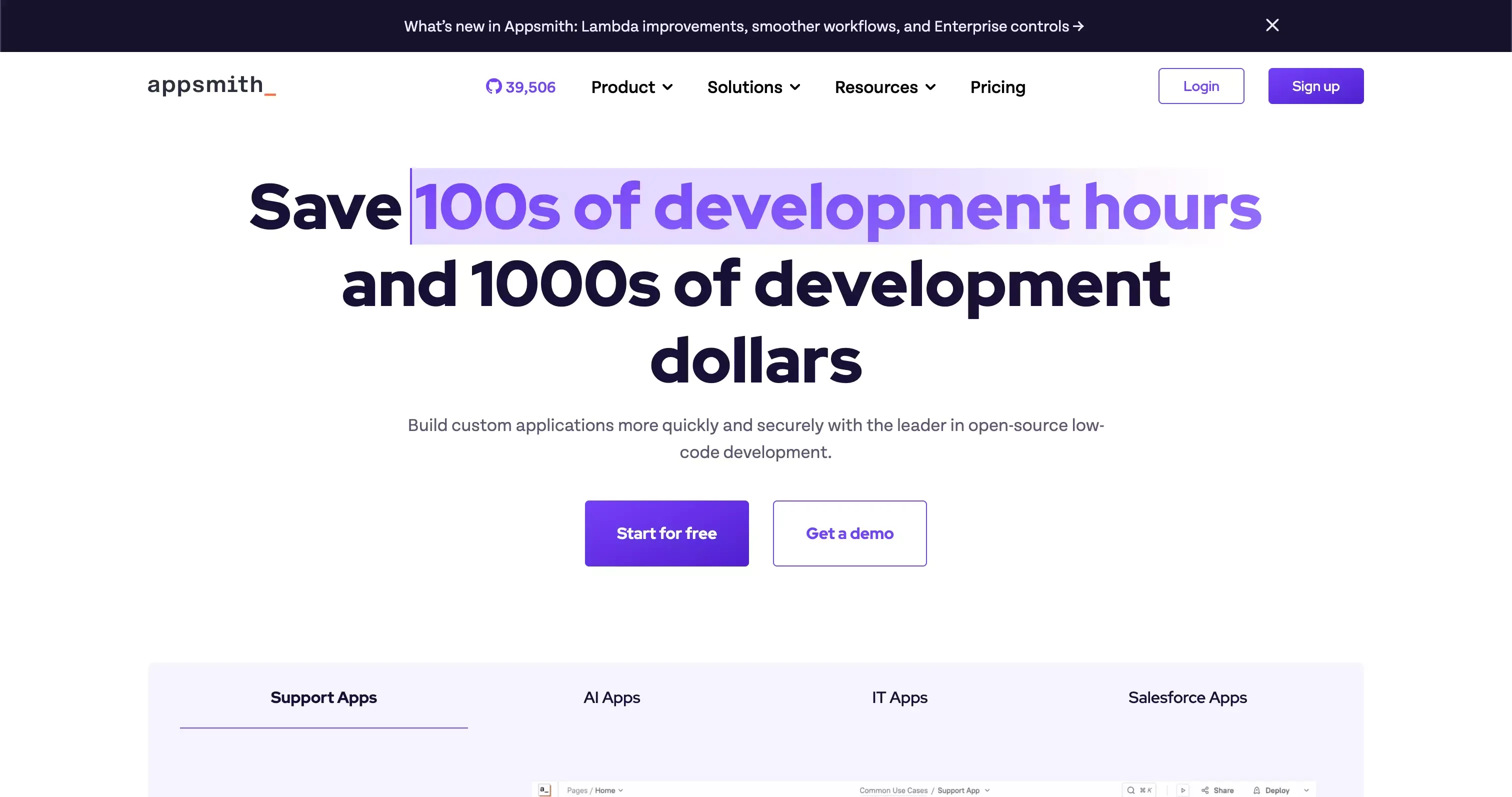
Technical teams that want internal-tool power with more control.
Why I’d pick it
Appsmith lives in a similar category to Retool, but the open-source angle changes the decision. It is a serious option if you want:
- internal tool flexibility
- developer control
- more extensibility
- less dependence on a closed platform
What to watch out for
It tends to make the most sense for teams that are at least somewhat technical. Less technical teams may prefer a more guided experience.
Webflow
Best for
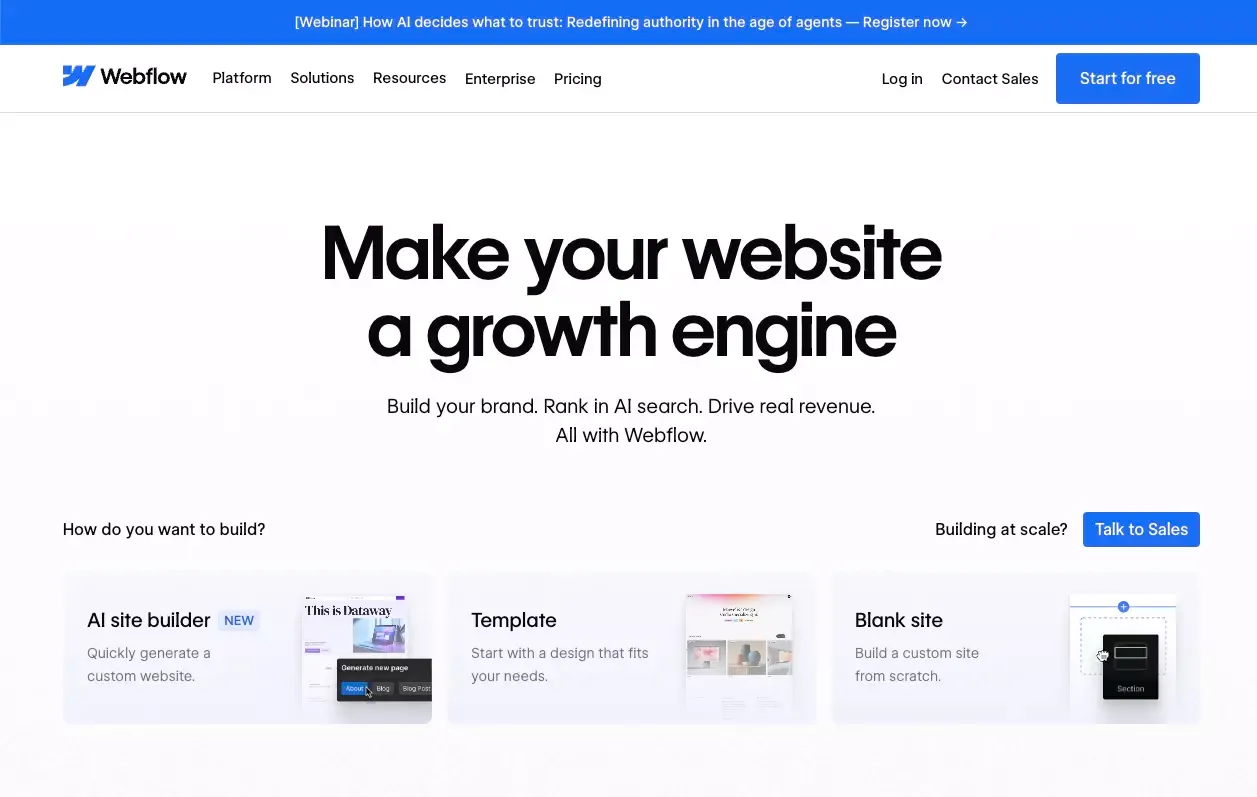
Design-led websites, content-heavy projects, and premium marketing experiences.
Why I’d pick it
A lot of people compare Bubble and Webflow even though they do different jobs. Still, this comparison is useful because some people reach for Bubble when they really need a strong website platform.
I would choose Webflow for:
- branded marketing sites
- content-driven growth sites
- polished landing pages
- CMS-heavy experiences
- websites with light app-like behavior
What to watch out for
Webflow is not the strongest choice for complex product logic or app workflows. It is better to think of it as a top-tier website platform, not a direct full-stack Bubble clone.
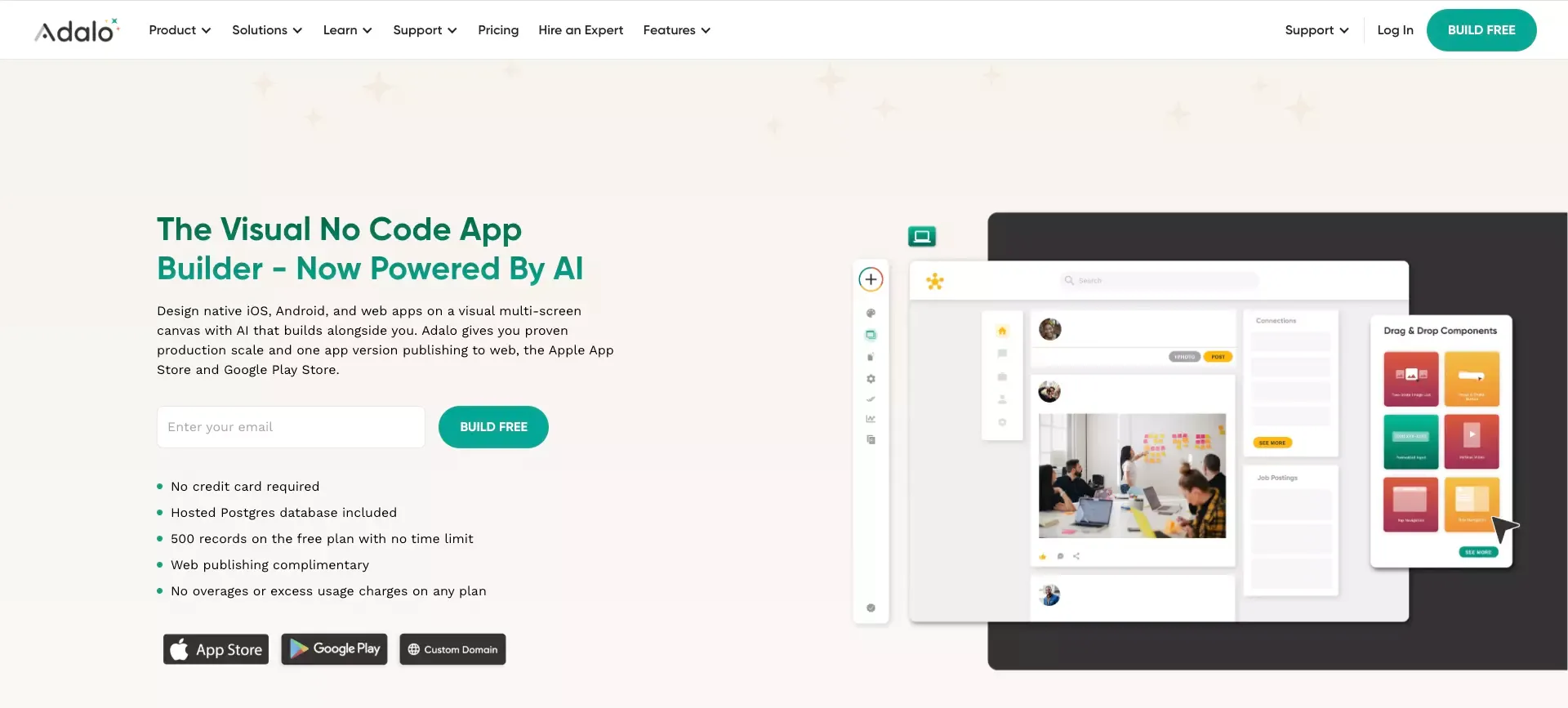
Adalo
Best for
Fast consumer mobile MVPs.
Why I’d pick it
Adalo still makes sense for founders who want to get a mobile product in front of users quickly without heavy setup.
It is worth considering for:
- early-stage app ideas
- consumer MVPs
- simpler mobile products
- teams prioritizing speed over deep architecture
What to watch out for
I would treat Adalo as more MVP-friendly than long-term architecture-heavy. That does not make it bad. It just makes the decision easier if you are honest about your stage.
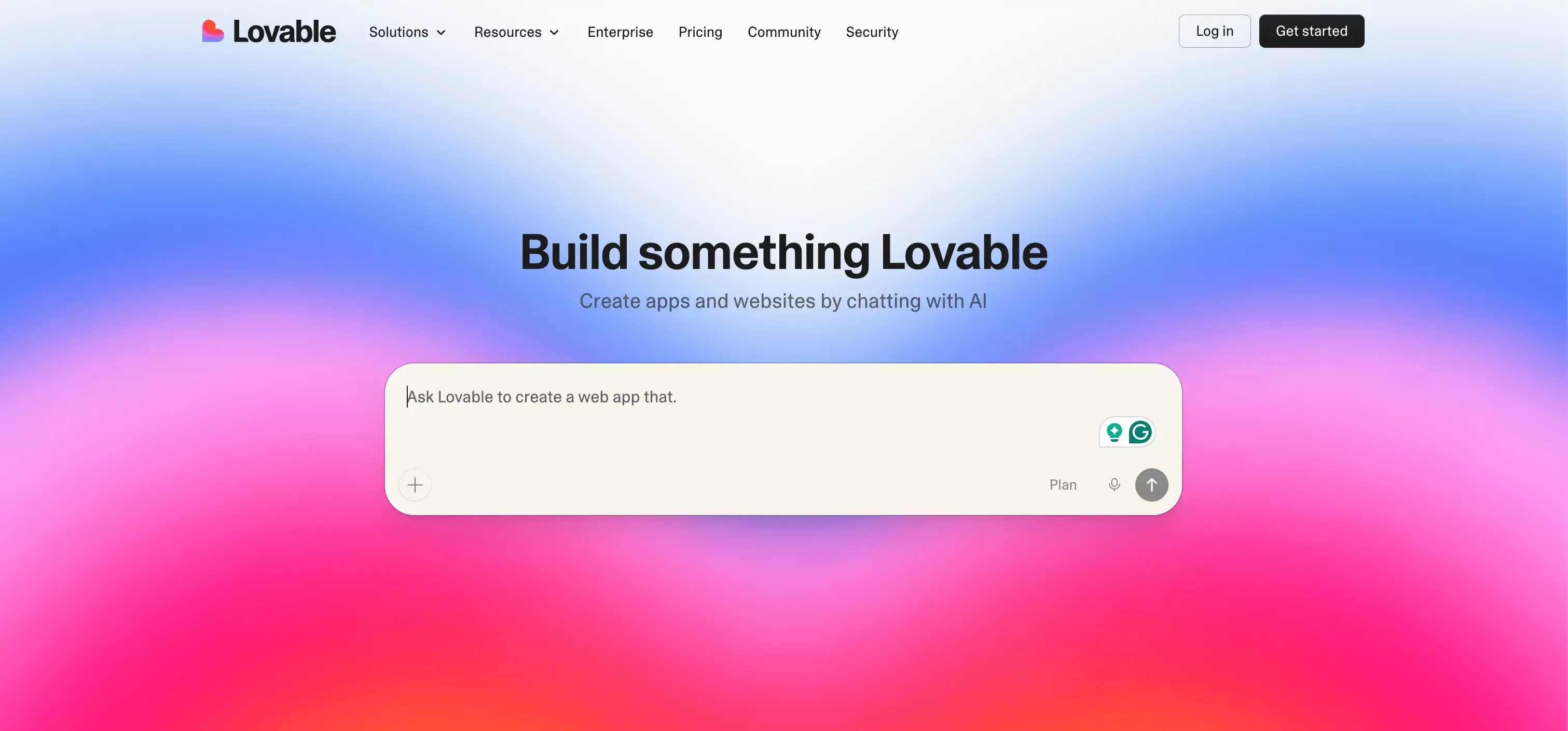
Lovable
Best for
Prompt-first MVP generation and rapid idea validation.
Why I’d pick it
Lovable is part of the newer wave of AI-native builders. The main appeal is obvious: you can move from concept to first version very quickly.
That makes it attractive for:
- solo founders
- fast experiments
- concept validation
- landing pages plus lightweight app flows
- people who want to start from prompts instead of a blank canvas
What to watch out for
AI speed is real, but it does not solve product design, edge cases, or system thinking. It helps you start faster. It does not remove the need for judgment.
How to Choose the Right Bubble Alternative for Your Team
This is the section most readers actually need.
Choose the product type first
Before comparing platforms, get specific about what you are building.
| Product type | Better-fit platforms |
|---|---|
| Internal tool | Retool, Appsmith, Softr, Glide |
| Client portal | Softr, Glide, WeWeb |
| Mobile app | FlutterFlow, Adalo |
| Design-led website | Webflow |
| Web app with more frontend control | WeWeb |
| Prompt-first MVP | Lovable, Atoms |
Once you define the product honestly, the market gets much easier to read.
Decide whether you want all-in-one simplicity or modular control
This is one of the biggest strategic decisions.
Choose all-in-one simplicity if you want:
- fewer moving parts
- faster setup
- less infrastructure thinking
- quicker non-technical execution
Choose modular control if you want:
- architecture flexibility
- external backend choices
- clearer system ownership
- better adaptability as complexity grows
Separate internal tools from customer-facing products
This is where many teams make a bad decision.
A platform that is excellent for internal operations may be the wrong platform for a customer-facing experience. Internal tools prioritize function. Customer-facing products need stronger attention to UX, polish, edge cases, and growth.
Think about handoff early
A tool that helps you launch quickly is not always the tool that helps your team maintain the product later.
Ask these questions early:
- Who will own this after launch?
- How many people need to work inside the system?
- Will this become more complex over time?
- How painful will changes be in six months?
Templates help you start. They do not solve maintainability.
Be realistic about AI-first builders
AI-native tools are useful. In some cases, very useful.
But they are best when your main bottleneck is speed. They are not automatically better when your bottleneck is:
- system design
- product complexity
- permissions
- data structure
- long-term maintainability
Use them where they create leverage. Do not expect them to replace product judgment.
Frequently Asked Questions About Bubble Alternatives
What is the best Bubble alternative for beginners?
For beginners, I would usually start with:
- Softr for portals and simple business apps
- Glide for spreadsheet-based workflows
- Webflow for websites
- Lovable or Atoms for quick AI-assisted MVP creation
The best beginner choice depends more on the type of product than on your technical background alone.
Which Bubble alternative is best for SaaS products?
For web-based SaaS products, WeWeb is one of the strongest alternatives if you want more frontend flexibility and a more modular setup.
Bubble is still valid here. The real question is whether you want the convenience of an all-in-one system or the flexibility of a separated stack.
Which Bubble alternative is best for internal tools?
The clearest choices are:
- Retool for ops-heavy internal software
- Appsmith for technical teams wanting more control
- Softr or Glide for lighter business tools
Which Bubble alternative is best for mobile apps?
If mobile is central, I would look first at:
- FlutterFlow for stronger app workflows
- Adalo for quick consumer-style MVPs
Are AI-first alternatives better than Bubble?
Sometimes, yes. Often, no.
They are better when you need:
- faster first versions
- quick experiments
- easier prompt-led creation
- lower setup friction
They are not automatically better for:
- complex systems
- long-term product ownership
- advanced architecture needs
- mature team workflows
Final Thoughts
If I had to reduce this whole article to one sentence, it would be this:
The best Bubble alternative is the one that matches your product shape, not the one with the loudest homepage.
Bubble is still a serious platform. But the alternatives are sharper now.
Here is the practical summary:
- Choose WeWeb for more frontend freedom
- Choose FlutterFlow for mobile-first products
- Choose Softr or Glide for fast business apps
- Choose Retool or Appsmith for internal software
- Choose Webflow for design-led websites
- Choose Adalo for simple mobile MVPs
- Choose Lovable or Atoms for AI-first speed
My honest advice is simple: do not ask which platform looks the most impressive on paper. Ask which one creates the fewest expensive mistakes for the next stage of your product.
That is usually the better decision.
 Posts
Posts 