
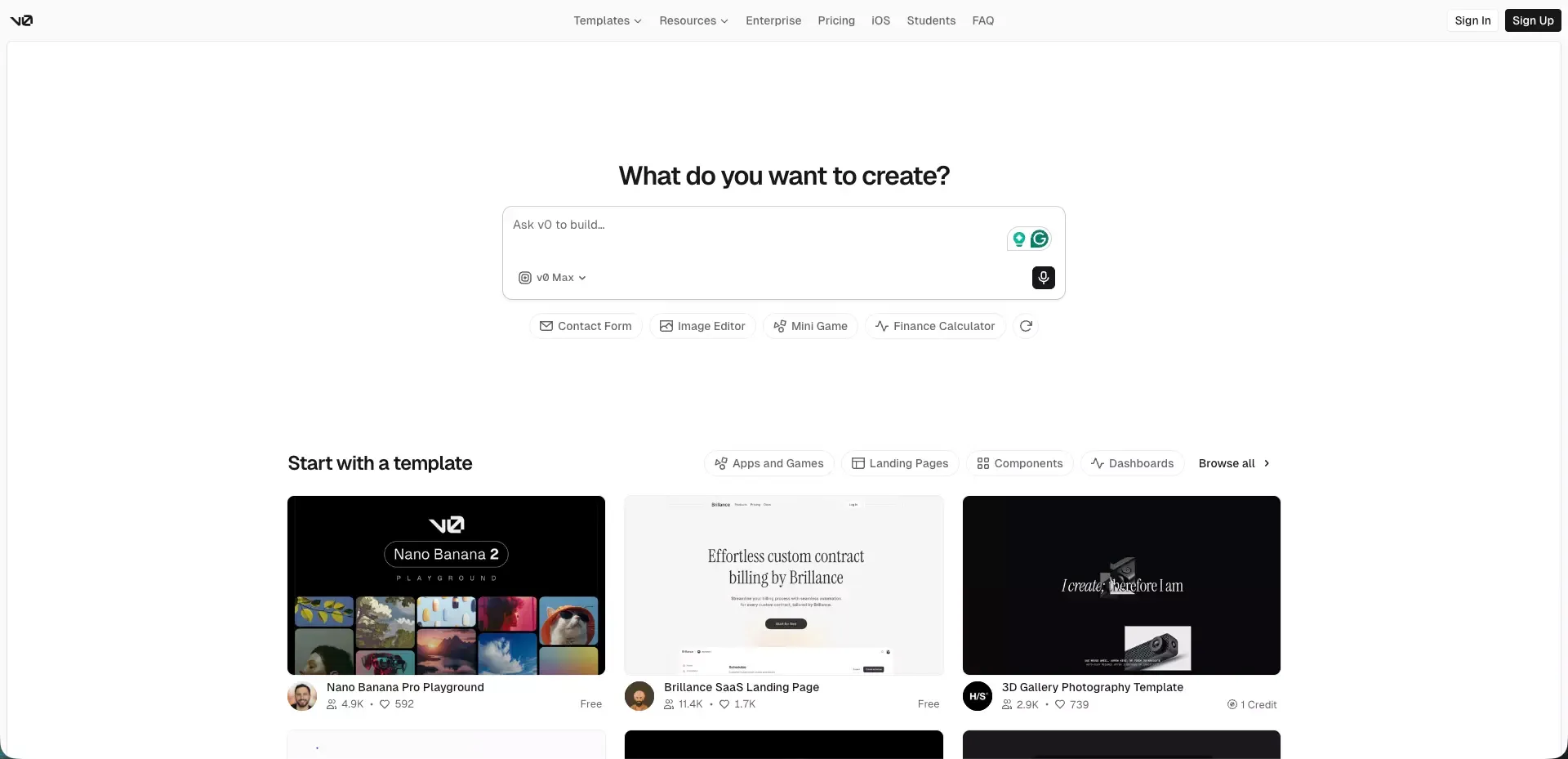
 If you are looking for a v0 alternative, you are probably not looking for a clone. You are trying to solve a more practical problem.
Maybe you want to ship more than a polished interface. Maybe you want less setup. Maybe you want better backend support, easier editing for non-technical teammates, or more control once the project gets serious.
That is the real decision.
v0 has become more capable than many people think. It is no longer just a UI generator. That also means choosing an alternative is less about finding a "better v0" and more about finding the right type of AI app builder for your workflow.
After comparing the main options in this space, I think the strongest v0 alternatives right now are Atoms, Bolt.new, Lovable, Replit, Softr, Bubble, and UI Bakery.
The Best v0 Alternatives at a Glance
| Tool | Best for | Main strength | Main limitation |
|---|---|---|---|
| Atoms | Founders and small teams building real products | Broader workflow from idea to launch | Can be more than you need for simple UI work |
| Bolt.new | Fast MVPs and AI-assisted product builds | Speed with built-in infrastructure | Less ideal if you want fine-grained architectural control |
| Lovable | Friendly AI app building with ownership flexibility | Easy start with GitHub and publishing options | Less ideal for SEO-sensitive architectures |
| Replit | Technical users who want AI inside a real dev environment | Strong code control and real development workflow | Not the easiest option for non-technical users |
| Softr | Business apps, portals, and internal workflows | Very approachable for non-technical teams | Less flexible for advanced custom products |
| Bubble | No-code apps with deeper logic and room to grow | Powerful long-term app building platform | Steeper learning curve |
| UI Bakery | Internal tools and data-heavy operational apps | Strong database and workflow focus | Less relevant for design-led product sites |
What Actually Makes a Good v0 Alternative
A lot of comparison posts flatten these tools into one category. That makes the advice weaker than it should be.
These tools do not all solve the same problem.
Some are better for fast frontend generation. Some are better for full-stack MVPs. Some are better for internal tools. Others are better for no-code business apps.
That is why I think the best way to evaluate a v0 alternative is to ask one simple question:
What do you want the tool to own?
Use this lens:
- If you want the tool to help with product thinking, planning, and launch, look at Atoms
- If you want the tool to help with speed to MVP, look at Bolt.new or Lovable
- If you want the tool to help while keeping you close to real code and development workflows, look at Replit
- If you want the tool to help with business apps and operational workflows, look at Softr or Bubble
- If you want the tool to help with internal software built around data, look at UI Bakery
That framing is much more useful than asking which platform is "best" in the abstract.
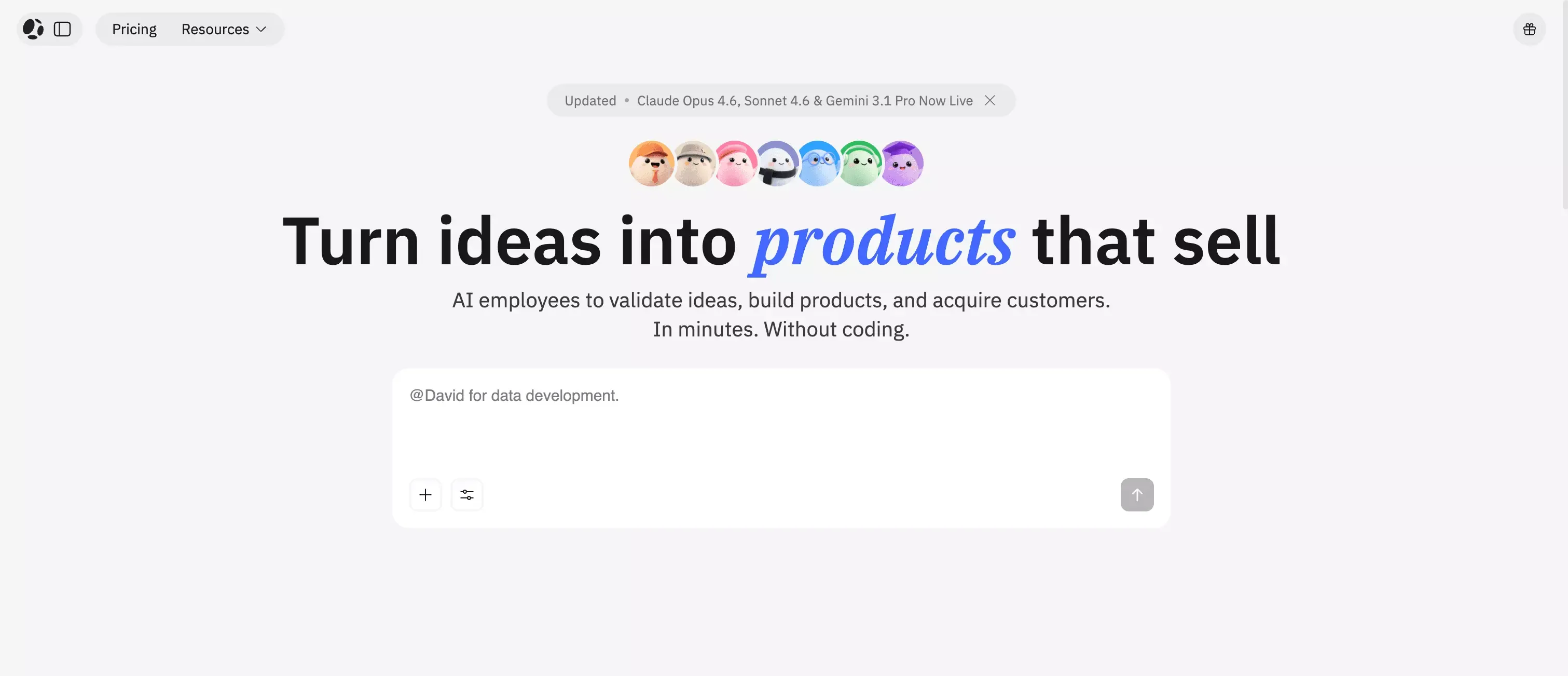
1. Atoms
Best for
Founders and lean teams that want to move from idea to working product without splitting the workflow across too many tools.
What I like
- It is positioned around the full product journey, not just interface generation
- It fits SaaS apps, internal tools, and revenue-focused products better than many UI-first tools
- It is more appealing when the hard part is not design speed, but turning an idea into something coherent and launchable
- It lets coding agents carry more of the workflow so you spend less time assembling pieces
Where it stands out vs v0
v0 is still a strong option for fast generation and iteration. But Atoms is more interesting when the bottleneck is broader than UI.
That usually shows up in cases like these:
- You need more support before the build starts
- You want more structure around product direction
- You care about launch readiness, not just code output
- You want one workflow that covers more of the path from idea to product
Where it may not fit
- You only want isolated frontend components
- You already have product planning and backend workflows covered
- You mainly need a lightweight React-oriented interface tool
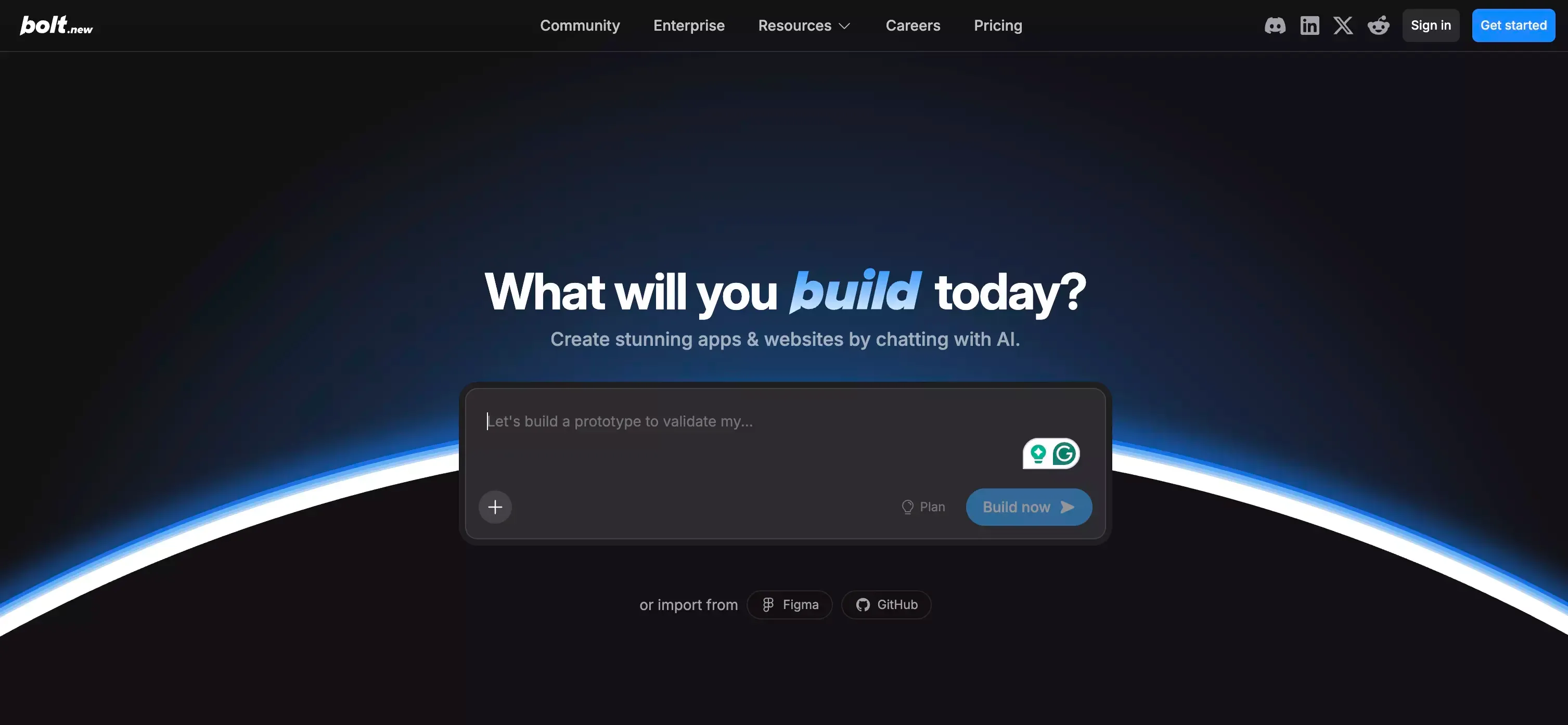
2. Bolt.new
Best for
People who want to get from prompt to working app quickly, with less assembly work along the way.
What I like
- Very fast path from idea to prototype
- Better fit than UI-first tools when you want more than a visual starting point
- Strong appeal for early MVPs and rapid product experiments
Where it stands out vs v0
Bolt.new feels more like a "stay here and keep building" environment. That matters because one of the common frustrations with v0-style workflows is that the handoff cost rises quickly as the project becomes real.
Bolt is strongest when your priority looks like this:
- Build quickly
- Avoid stitching together too many services
- Keep moving inside one environment
- Get to a usable MVP fast
Where it may not fit
- You want very tight control over architecture
- You prefer assembling your own stack deliberately
- You care more about frontend precision than end-to-end speed
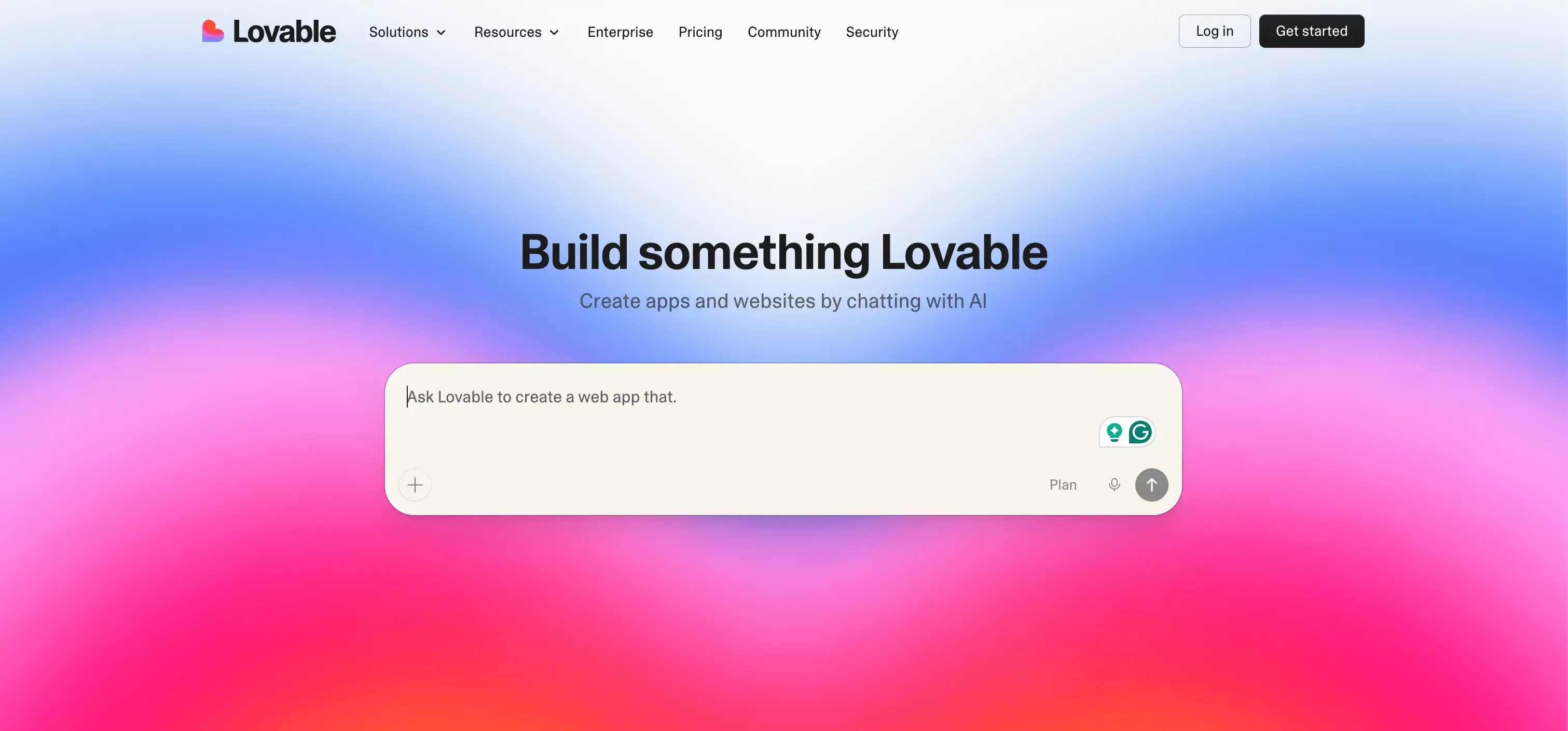
3. Lovable
Best for
Users who want a friendly AI app builder that still leaves room for code ownership and future flexibility.
What I like
- Easy to start with
- Strong for startup-style MVPs
- Good fit for people who want a smooth AI-first workflow without feeling fully locked in
Where it stands out vs v0
Lovable sits in an interesting middle ground. It is not just a UI generator, but it also does not feel as developer-heavy as something like Replit.
That makes it attractive for builders who want:
- A faster path from prompt to working app
- A friendlier product-building experience
- GitHub sync and publishing options
- More flexibility later than a pure black-box tool
Where it may not fit
- Your project is heavily SEO-sensitive
- You need very specific rendering or infrastructure decisions
- You expect the tool to scale cleanly into a more complex product without careful evaluation
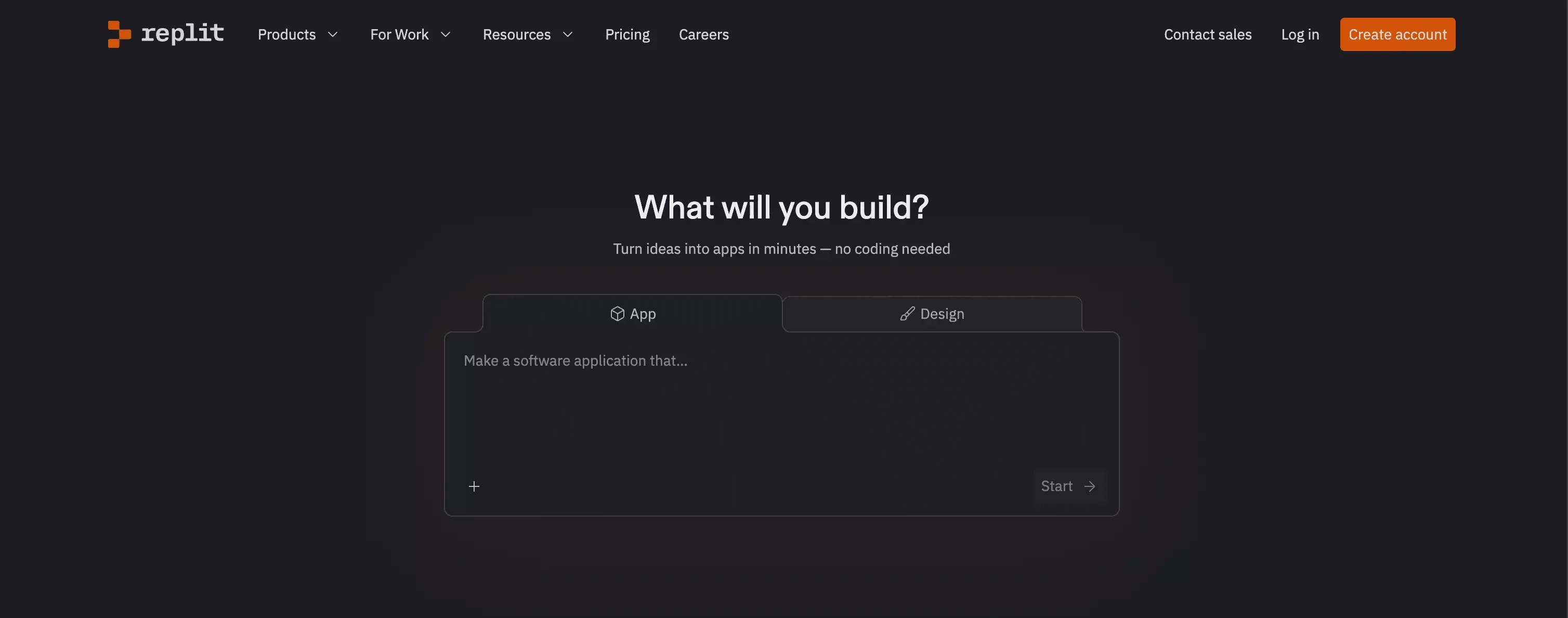
4. Replit
Best for
Technical or semi-technical builders who want AI help inside a real development environment.
What I like
- Keeps you close to code
- Better than abstracted builders if you want to inspect, refine, and debug properly
- Strong fit when you want AI acceleration without giving up development control
Where it stands out vs v0
Replit is a better alternative when your thinking is not "I want less code," but rather "I want to build faster with AI while still working like a developer."
That makes it useful for people who want:
- A real dev environment
- AI assistance without total abstraction
- More visibility into backend and logic
- More freedom to iterate beyond generated output
Where it may not fit
- You are non-technical
- You want a calmer no-code workflow
- You want the platform to hide more of the complexity for you
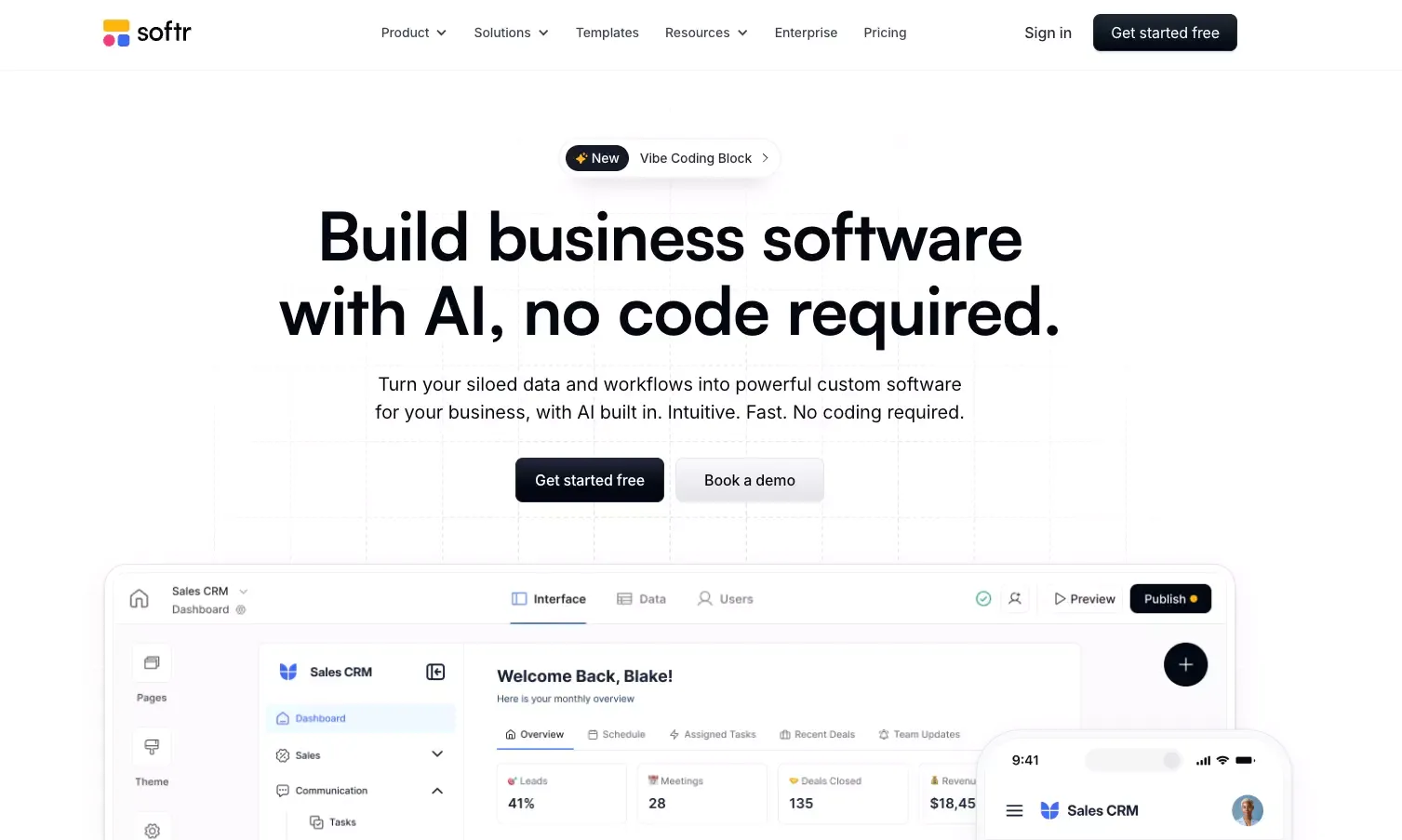
5. Softr
Best for
Non-technical teams building portals, internal tools, lightweight CRMs, and workflow apps tied to business data.
What I like
- Very approachable learning curve
- Strong for operational apps and team workflows
- Good option when simplicity matters more than deep code control
Where it stands out vs v0
Softr solves a different problem from v0. That is exactly why it belongs on this list.
It is often the better choice when the real job is:
- Build an internal workflow fast
- Connect it to business data
- Add users, permissions, and forms
- Let non-developers manage and extend it
Where it may not fit
- You want a highly custom product
- You want code-first ownership
- You need a lot of frontend flexibility
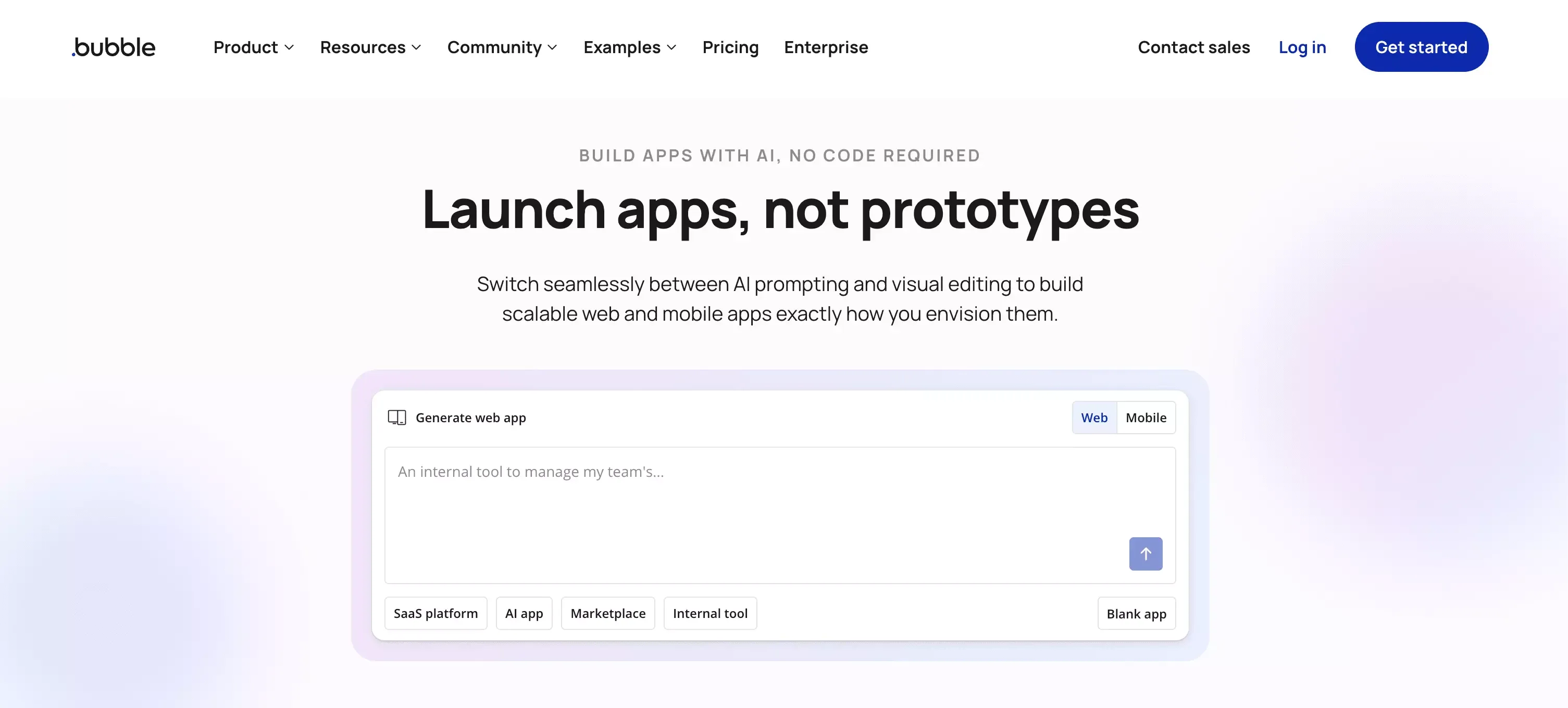
6. Bubble
Best for
No-code builders who want more room for application logic, workflow depth, and long-term product development.
What I like
- More powerful than many lighter AI builders once your app becomes more complex
- Strong option for products that need to keep evolving
- Good balance between no-code accessibility and application depth
Where it stands out vs v0
Bubble is not just about fast generation. It is about giving your app somewhere to live long term.
That matters if you already know you need:
- More custom logic
- More workflow depth
- More room to scale the app
- More flexibility without switching platforms too early
Where it may not fit
- You want the fastest possible launch path
- You want a very simple learning curve
- You do not need much beyond an early prototype
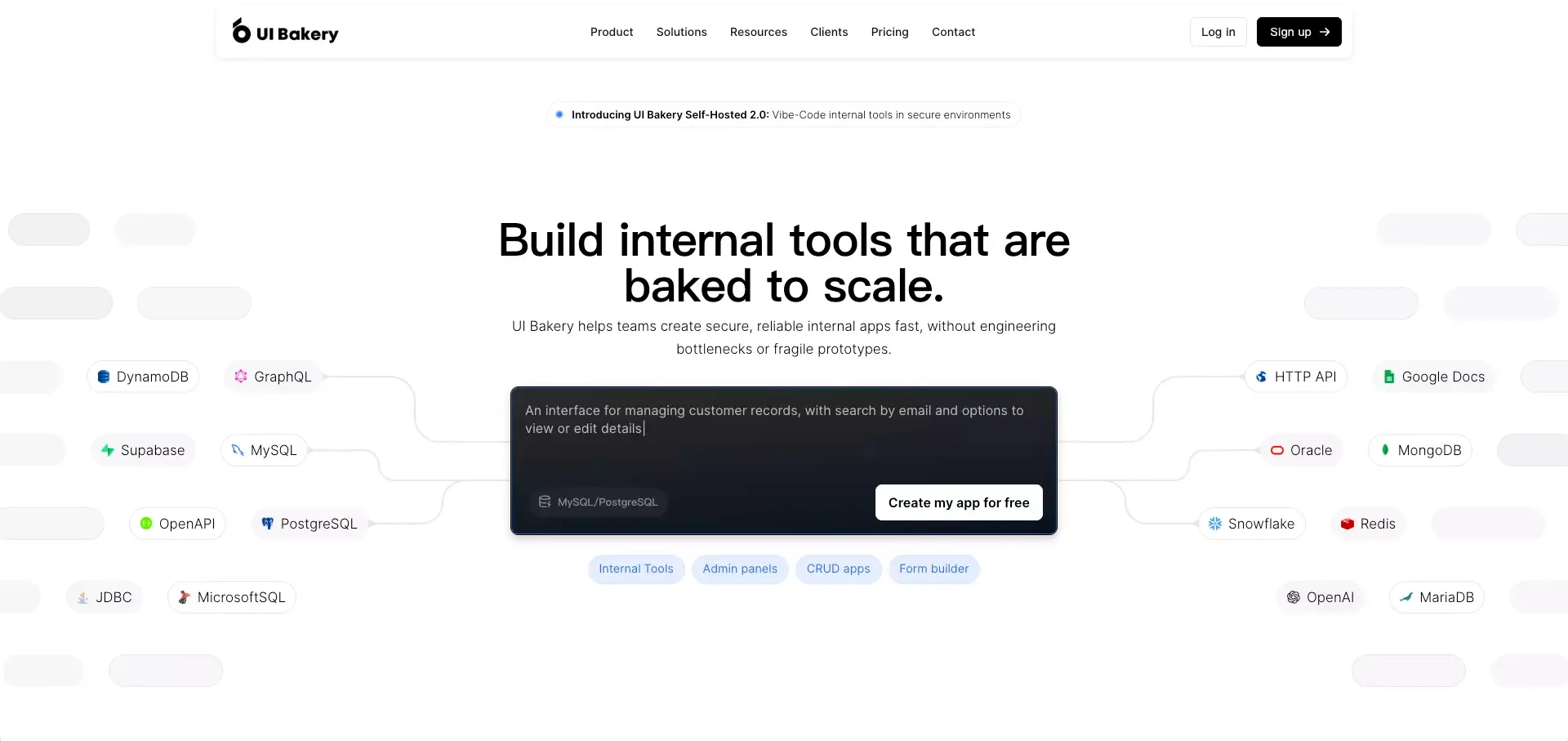
7. UI Bakery
Best for
Teams building internal software, dashboards, admin panels, and data-heavy operational apps.
What I like
- Clear focus on internal tools
- Strong fit for database-driven workflows
- Useful when data connectivity and maintainability matter more than design polish
Where it stands out vs v0
UI Bakery makes more sense than v0 when the core job is internal software, not customer-facing product experience.
It is especially relevant when you need:
- Live database connections
- Structured operational workflows
- An AI dashboard builder workflow for internal visibility
- More control over maintainable business tooling
Where it may not fit
- You are building a design-led SaaS marketing site
- You care heavily about frontend brand expression
- Your main goal is a polished consumer-facing experience
How to Choose the Right v0 Alternative
Choose Atoms if
- You want a broader product-building workflow
- You are building a SaaS app, internal tool, or revenue-facing product
- You want help across more of the path from idea to launch
Choose Bolt.new or Lovable if
- You want to move from prompt to MVP very quickly
- You care more about speed than deep control at the beginning
- You want a more integrated AI-first build experience
- You want to use an AI prototype generator to validate ideas before committing to a stack
Choose Replit if
- You want more coding flexibility
- You prefer a real dev environment
- You want AI to accelerate development, not replace it entirely
Choose Softr or Bubble if
- You are comparing v0 with no-code app builders
- Your use case is more business workflow than frontend experimentation
- You want non-developers to be able to work with the product
Choose UI Bakery if
- You are building internal tools
- Your app is data-heavy
- Operational structure matters more than design-led polish
My Final Take
I do not think v0 is outdated. It is more capable now than many comparison posts give it credit for.
But I also think that is exactly why choosing an alternative requires more precision.
The real reason people switch away from v0 is usually not that v0 failed. It is that their needs changed.
Here is what that often looks like in practice:
| What changed | Better-fit alternatives |
|---|---|
| You want less assembly work | Bolt.new, Lovable |
| You want broader product workflow support | Atoms |
| You want stronger code control | Replit |
| You want non-technical business app building | Softr, Bubble |
| You want internal-tool structure and data workflows | UI Bakery |
That is the lens I would use.
Do not ask which tool is universally better. Ask which tool carries the kind of work you no longer want to carry yourself.
If you are evaluating tools in a similar lane to Bolt, it is also worth reading about Bolt alternatives to see how the field around that space compares.
FAQ
What is the best v0 alternative for full-stack apps?
The strongest options for full-stack app building are usually Atoms, Bolt.new, Lovable, Replit, and Bubble. They are better choices when you need more than interface generation.
What is the easiest v0 alternative for non-technical users?
Softr is one of the easiest starting points for non-technical users. Bubble is also strong if you need more flexibility, though it takes more time to learn.
Is v0 still worth using in 2026?
Yes. v0 is still a strong option, especially if you like fast iteration and modern web workflows. It simply is not the best fit for every kind of product-building job.
Which v0 alternative is best for internal tools?
UI Bakery and Softr are the clearest internal-tool choices. UI Bakery is stronger for structured, data-heavy internal software. Softr is easier for non-technical business teams.
Which v0 alternative is best for speed?
Bolt.new and Lovable are both strong choices when speed to MVP is the main priority. For a broader view of what else competes in that space, the Lovable alternatives comparison is a useful reference.
 Posts
Posts 